Information
- Home
- health

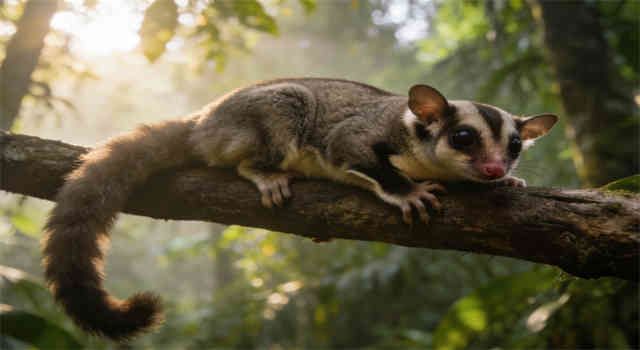
Sugar gliders have large eyes and unique physiological characteristics;their folded skin extending from their wrists to their sides enables them to glide.Sugar gliders are ideal pets for owners with ample time and patience who can provide proper care.
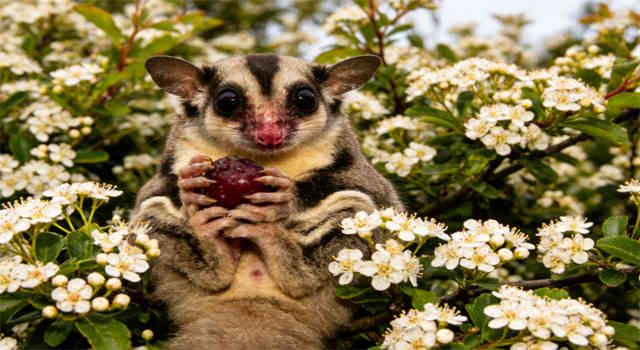
While sugar gliders are not easy pets,they can become close companions for owners willing to invest time in understanding their physiological needs and maintaining daily interaction.Regular health checkups with a veterinarian familiar with their physiology are an essential part of routine care.Therefore,sugar glider owners should be familiar with potential health symptoms and plan their veterinary care budget in advance.
Veterinary Checkup Frequency and Requirements for Sugar Gliders
All sugar gliders must undergo their first health checkup within a few days of adoption by a veterinarian trained in sugar glider care to assess their health.After gently securing the sugar glider with a towel,the veterinarian will conduct a thorough physical examination.For invasive procedures such as blood sampling,brief gas anesthesia and sedation may be necessary.Additionally,the veterinarian will need to analyze the sugar glider's feces to rule out parasite infections and will communicate with the owner to determine a suitable diet,living environment,and behavioral guidance methods.Unlike common pets such as cats and dogs,sugar gliders do not require annual vaccinations,but they still need annual health checkups to ensure their continued health.
Besides annual checkups,sugar gliders can also suffer from various diseases,including bacterial and parasitic infections,injuries,cancer,and organ failure.These conditions require prompt veterinary treatment.Common diseases in sugar gliders include obesity,malnutrition,metabolic bone disease,dental problems,and stress-related illnesses.
I.Obesity in Sugar Gliders
Excessive protein intake(such as from feeding them too many insects)or fat can easily lead to obesity in sugar gliders.Sugar gliders have a strong affinity for insects and may eat them daily if left unchecked.Therefore,insect feeding should be limited to a few times per week.Since sugar gliders forage naturally during the day,they should have access to food at all times,provided they are not overweight.Similar to obesity in humans,obese sugar gliders may experience difficulty moving,lethargy,and are prone to complications such as heart disease,liver disease,pancreatic disease,and arthritis.
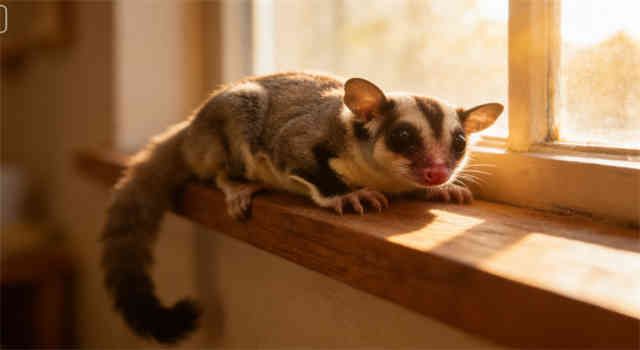
If owners notice abnormal weight gain,lethargy,or difficulty breathing in their sugar gliders,they should take them to a veterinarian immediately.Treatment mainly includes increasing exercise,reducing food intake,ensuring a balanced diet,and addressing any secondary diseases.
II.Malnutrition in Sugar Gliders
Malnutrition in pet sugar gliders is often caused by excessive fruit consumption,insufficient protein intake,and a lack of nectar.Typically,the main diet for pet sugar gliders should follow these proportions:approximately 25%protein(such as cooked eggs,a small amount of lean meat,commercially available insectivorous pellets,and a small amount of fortified insects such as crickets and mealworms),25%leafy green vegetables,50%commercially available sugar glider pellets(which can serve as a substitute for nectar),and a small amount of fruit(such as sweet potatoes,carrots,mangoes,papayas,grapes,berries,and apples).
Some owners choose not to feed their pets sugar glider pellets but instead use a homemade formula called"Leadbeater's mix."This formula is made by mixing commercially available nectar powder,water,cooked eggs,high-protein baby rice cereal,honey,and commercially available vitamin supplements.There are several versions of the specific proportions,but all formulas must be refrigerated and changed every three days.Currently,there is no single ideal diet for pet sugar gliders;a diverse diet is key to ensuring their nutritional balance.Regardless of the dietary plan used,an appropriate amount of calcium-rich vitamin and mineral powder should be evenly sprinkled onto the sugar glider's food daily.Furthermore,it is recommended to consult an experienced sugar glider veterinarian for all dietary plans to ensure their scientific validity and applicability.
Malnourished sugar gliders typically exhibit weakness,emaciation,and dehydration,often showing symptoms such as inability to stand or climb.They may also have fractures,bruises,and pale gums.In severe cases,they may lie at the bottom of their cage and experience difficulty breathing.Sugar gliders exhibiting these symptoms require immediate veterinary attention for assessment of their health through blood tests and X-rays.Blood tests in such sugar gliders usually show low blood calcium and blood sugar levels,accompanied by anemia.Some severe cases may also lead to secondary liver and kidney failure.
For malnourished sugar gliders,timely hydration is essential.If they are unable to feed themselves,they must be fed via syringe,and calcium supplementation should be fortified.Meanwhile,they should be placed in small cages lined with soft padding to prevent secondary injuries from falls.Treatment for malnutrition usually requires long-term adherence;sick sugar gliders need to be gradually transitioned to a balanced diet,otherwise symptoms may recur.
III.Bone Diseases in Sugar Gliders
Metabolic osteodystrophy(also known as nutritional osteomalacia)is a common malnutrition disease characterized by low blood calcium and high phosphorus levels,leading to swelling or fractures in multiple bones due to calcium deficiency.Severe calcium deficiency in sugar gliders may trigger seizures,requiring immediate veterinary attention,otherwise it may be life-threatening.The treatment plan for this disease is consistent with that for malnutrition,mainly including long-term calcium supplementation,supportive care,and adjustments to a more suitable diet.
IV.Dental Problems in Sugar Gliders
Dental diseases in sugar gliders are mostly caused by a long-term intake of soft,high-sugar foods.In the early stages,plaque accumulates on the tooth surface,leading to gingivitis(inflammation of the gums),with symptoms similar to human gingivitis.If left untreated,gingivitis can progress to root infection,jaw abscess,and ultimately tooth loss.Affected sugar gliders typically exhibit symptoms such as loss of appetite,drooling,scratching their mouths with their claws,lethargy,and weight loss.Sugar gliders displaying these symptoms should be examined by a veterinarian promptly.After sedation,a comprehensive oral examination and skull X-ray should be performed to assess the condition of the teeth and jawbone.
Sugar gliders with dental problems usually require antibiotics and anti-inflammatory drugs,administered via syringe.Severely infected teeth may need to be extracted,and jaw abscesses require surgical removal.Because dental problems in sugar gliders are prone to recurrence,affected individuals require regular veterinary checkups for continuous monitoring of their dental health.
V.Stress-Related Diseases in Sugar Gliders
Stress-related diseases in sugar gliders are more common in individuals kept alone or those who are frequently disturbed during the day and unable to rest properly.Sugar gliders often exhibit behaviors such as biting their own skin,pacing repeatedly,and overeating due to boredom.Sugar gliders are highly social and are naturally nocturnal;therefore,keeping them in pairs,ensuring they rest properly during the day,allowing them to roam freely in their cages daily,and providing regular petting and interaction are more beneficial to their physical and mental health and help them develop good social habits.