Information
- Home
- health

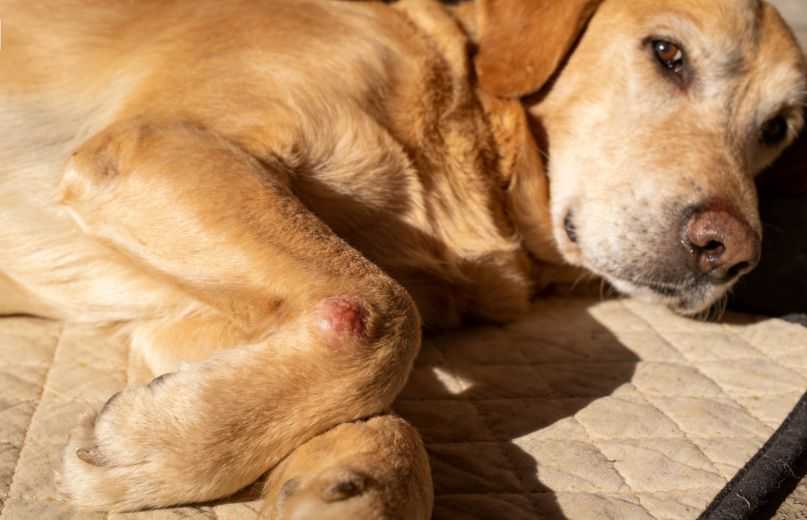
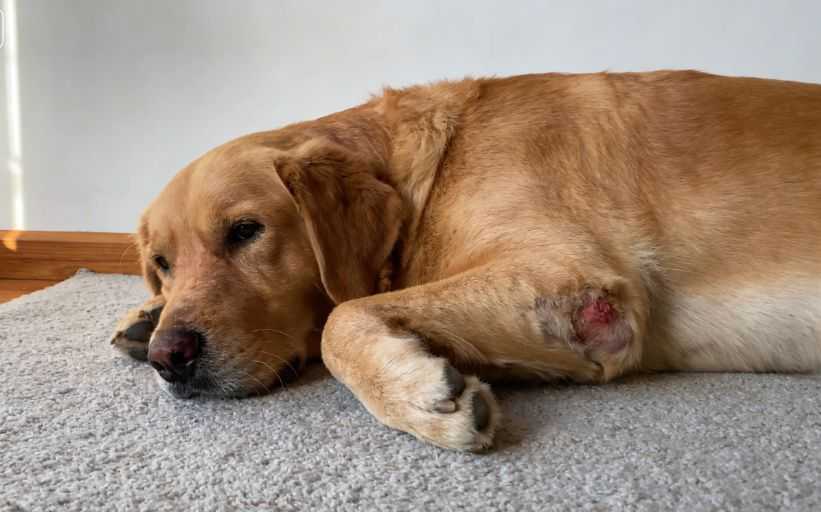
Canine arthritis is a common degenerative joint disease characterized by joint pain and inflammation,and most dogs are prone to developing it as they age.The disease refers to inflammatory infiltration,swelling,and tenderness in one or more joints.Its causative factors include genetic susceptibility,aging,infection,primary disease,history of trauma,and overuse.This article will systematically describe a comprehensive intervention plan for canine arthritis,providing pet owners with a scientific basis for care.
Comprehensive Treatment Principles for Canine Arthritis
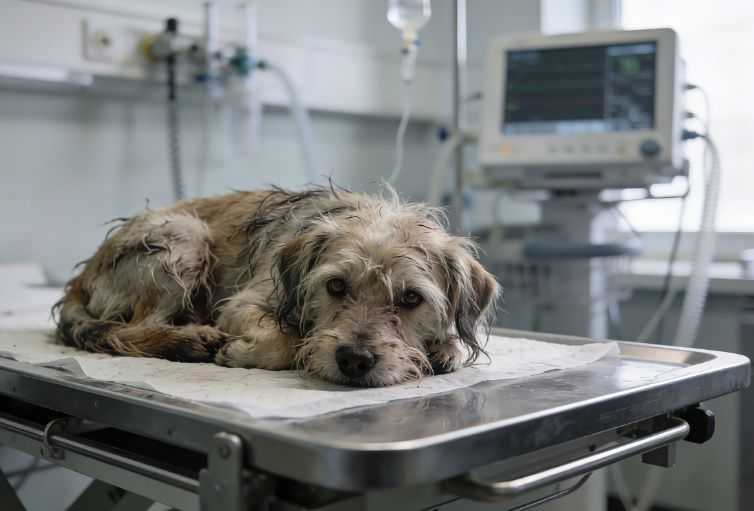
Treatment of canine arthritis requires a multi-dimensional,collaborative intervention strategy,combining home care with professional veterinary diagnosis and treatment.Through"multimodal therapy"(i.e.,integrating different types of medications and joint nutritional supplements),pain control and joint health improvement can be achieved,ultimately ensuring the dog's quality of life and optimizing treatment prognosis.Simultaneously,the dog's daily lifestyle and living environment need to be adjusted.All treatment plans must be based on a professional veterinary assessment.
Detailed Explanation of Core Intervention Measures
(I)Weight Management
Weight control is a key aspect of alleviating joint pain in dogs.Obesity significantly increases the pressure on joints,inducing or worsening pain and discomfort.Scientific weight control can effectively reduce pain caused by joint degeneration in older dogs.It is recommended to consult a veterinarian to determine your dog's ideal weight and develop a long-term,sustainable weight management plan,including dietary adjustments and exercise programs.
(II)Exercise and Physical Rehabilitation
Physical therapy,professional massage,and regular exercise can effectively relieve joint pain and improve joint function:
Daily Exercise:Moderate,regular exercise is recommended.Start with short walks of 10-15 minutes each time,3-4 times a day,and stick to a consistent exercise plan.Strictly avoid high-intensity exercise(such as chasing a ball,sprinting,jumping,etc.)to reduce the risk of joint injury.
Professional Rehabilitation:It is recommended to consult a veterinarian to assess whether a referral to a certified small animal physical therapist is necessary.Under professional guidance,therapeutic exercises can be conducted,including passive stretching training,joint range of motion exercises,obstacle course walking,and underwater treadmill training,to precisely improve joint function and muscle strength.(III)Physical Therapy The core goals of physical therapy include weight control,pain relief,inflammation reduction,increased joint range of motion,improved balance,and enhanced muscle strength.Common treatment methods include:Passive joint range of motion training;Land-based treadmill training;Underwater treadmill training;Professional massage therapy;Targeted therapeutic exercise.
(IV)Drug Therapy Currently,there is no cure for canine arthritis.Drug therapy focuses on relieving pain and controlling inflammation.Commonly used drugs include:Nonsteroidal anti-inflammatory drugs(NSAIDs):These are widely used clinically as first-line drugs for controlling joint pain and inflammation.For example,glavipramide,containing the active ingredient glavipramide,is suitable for early symptoms of osteoarthritis and can be taken daily.Other prescription NSAIDs include carboprofen and meloxicam.Compared to over-the-counter medications,prescription NSAIDs offer advantages in pain control and safety.Full efficacy is typically seen after three months of continuous use;the specific type and dosage must be determined by a veterinarian.
Adjunctive analgesics:Veterinarians may recommend non-NSAID analgesics as adjunctive therapy to NSAIDs,such as gabapentin and tramadol.Muscle relaxants(e.g.,mesothelioma)may be added to optimize pain relief if necessary.
Adequan injection:An FDA-approved prescription injectable medication administered by a veterinarian.It has anti-inflammatory properties and increases synovial fluid secretion,improving joint lubrication.
Librela injection:An anti-nerve growth factor(NGF)monoclonal antibody therapy specifically designed for canine osteoarthritis pain treatment.It is a monthly veterinary prescription injection.
Corticosteroids:In some cases,short-term or long-term use of corticosteroids can relieve inflammation and pain,but strict caution is required:Corticosteroids and NSAIDs must never be used concurrently,as this may cause serious side effects such as gastric ulcers.Before administering any medication,inform your veterinarian of all current medications your dog is taking so they can assess the feasibility of the treatment.
(V)Joint Supplements When choosing joint supplements,prioritize products containing the following active ingredients,as they have clear clinical value in supporting joint health:
Methylsulfonylmethane(MSM)
Glucosamine hydrochloride
Long-chain omega-3 fatty acids
Eicosapentaenoic acid(ETA)
Eicosapentaenoic acid(EPA)
Docosahexaenoic acid(DHA)
Chondroitin sulfate
Green-lipped mussel extract For breeds prone to arthritis,it is recommended to regularly supplement with joint supplements starting at 8 weeks of age.Commonly affected breeds include:Miniature Poodles,Boston Terriers,Chihuahuas,Pugs,Yorkshire Terriers,American Staffordshire Terriers,Labrador Retrievers,Golden Retrievers,Boxers,American Bulldogs,English Bulldogs,German Shepherds,Mastiffs,Great Danes,Saint Bernards,Welsh Corgis,and Dachshunds.It is important to note that supplements and various dietary additives may cause gastrointestinal discomfort and other side effects.A veterinarian must be consulted before use to assess suitability and dosage.Commonly used canine joint supplements include:Nutramax Dasuquin,Bayer Free Form,and Nutramax Welactin.
(VI)Arthritis-Specific Dog Foods While some over-the-counter(OTC)large breed dog foods contain omega fatty acids,glucosamine,and chondroitin,their targeted support for arthritis is limited.Prescription veterinary dogfoods are specifically designed for joint function maintenance.Recommended products include:Royal Canin Veterinary Prescription Adult Dog Advanced Joint Support Dry Food;Hill's Prescription J/D Dry Food;Purina Pro Plan Veterinary Prescription JM.Joint Mobility Type
(VII)Alternative Therapies
Alternative therapies can be used as adjuncts to mainstream treatment to further alleviate joint pain.Common methods include:
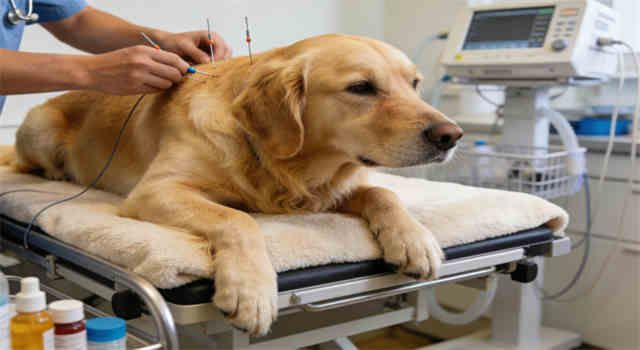
*Acupuncture:Stimulating specific acupoints with fine needles.Clinical evidence shows that acupuncture combined with multimodal therapy can effectively reduce chronic joint pain in dogs.

*Laser Therapy:Utilizing the penetrating beam of low-energy lasers to deliver oxygen and blood to joint tissues,achieving anti-inflammatory and analgesic effects.
*Shockwave Therapy:Applying high-intensity sound waves to the affected joints to reduce inflammation and improve arthritis symptoms.
*Electrical Stimulation Therapy:Including neuromuscular stimulation(used to enhance muscle strength and reduce muscle atrophy in dogs with mobility impairments)and transcutaneous electrical nerve stimulation(TENS,focused on pain relief).
(VIII)Lifestyle and Environmental Modifications
Simple home environment modifications can effectively reduce pain and anxiety in dogs:
*Anti-slip Protection:Dogs with arthritis are prone to fear and falls when walking on smooth surfaces such as hardwood floors and tiles due to mobility issues.It is recommended to lay non-slip mats,carpets,or blankets on smooth surfaces,especially at the ends of stairs,and around sofas and beds,to reduce joint impact and pain.
Orthopedic dog beds:Choose low-profile orthopedic dog beds to make it easier for dogs to get up.Also,lay thick mats and non-slip mats in their usual resting areas to prevent injury or pain when getting up.
Staircase protection:Use pet fences to enclose stairs to prevent accidents when unattended.Non-slip mats can also be installed on the stair surface.
Assistive devices:For dogs with severe hip,knee,shoulder,or elbow arthritis symptoms,pet harnesses or support straps can be used to assist their home activities and improve mobility.
Treatment plan optimization suggestions:The ideal treatment plan for canine arthritis requires a combination of medication,physical rehabilitation,nutritional support,and environmental adjustments.The core goal is to improve the dog's quality of life and eliminate pain.Pet owners are advised to consult a veterinarian promptly to develop a personalized treatment plan and medication combination based on the dog's age,weight,severity of the condition,and individual health status to ensure the scientific validity and effectiveness of the intervention.