Information
- Home
- health

Cancer is a familiar disease to humans;many people or their loved ones have suffered from it.Therefore,when a pet is diagnosed with cancer,pet owners often experience immense fear and anxiety.Canine cancer presents in a variety of ways,with significant differences in severity:some types are relatively easy to treat,such as surgically removed skin lumps;while others are highly malignant,such as metastatic cancers that have spread throughout the body.
Canines can also develop cancer.Some cancers have typical symptoms and are easy to diagnose,while others are more insidious and require a comprehensive medical examination for diagnosis.The following will detail common types of canine cancer and related information.
The Nature of Canine Cancer
Canine cancer arises from the loss of normal regulation of cell division.Under normal physiological conditions,cell division and apoptosis are strictly controlled by the body to maintain a dynamic balance.However,when cancer occurs,this regulatory mechanism fails,and cells proliferate abnormally,no longer following the body's instructions to stop dividing,but instead growing continuously and disorderly.
Depending on the type of cells affected,masses may form on the skin surface or inside the body:if fat cells proliferate abnormally,lipomas may form,appearing as large,soft masses on the skin surface;if spleen cells are affected,veterinarians can detect a spleen mass through X-ray examination,and this mass may compress other organs in the abdominal cavity.
Typically,the excessive replication of abnormal cells will impair the normal function of the affected organs.For example,if cancer cells appear in a dog's bone marrow,the bone marrow's hematopoietic function will be suppressed,leading to abnormal blood test results.Furthermore,cancer is locally invasive;cancer cells spread rapidly and destroy surrounding normal tissue.Some cancers also metastasize,meaning cancer cells spread to other parts of the body,causing multi-system dysfunction.
Common Types of Cancer in Dogs
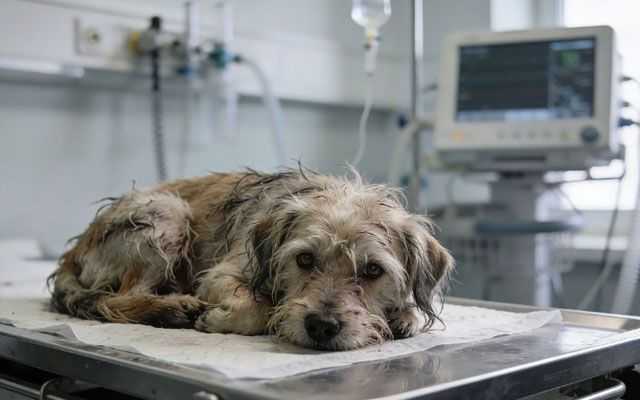
Lumps or masses on the surface of a dog's body are quite common,but not all lumps are cancerous.Non-cancerous lumps are called benign lumps;most grow slowly,do not spread throughout the body,and pose less of a threat to a dog's health.Cancerous lumps,on the other hand,are composed of abnormally proliferating cells and are called malignant tumors.They usually grow rapidly and can spread to other organs and parts of the body,causing serious health problems.The growth rate and extent of cancer spread depend on its specific type and malignancy.
Common Symptoms of Canine Cancer
Canine cancer symptoms are diverse.Some symptoms are quite typical,such as lumps or bumps on the skin,localized inflammation,slow-healing wounds,swollen lymph nodes,and abnormal bleeding.Many other nonspecific symptoms can be easily confused with common illnesses,including:unexplained weight loss,abdominal distension,behavioral changes or neurological abnormalities(such as seizures,head tilting),coughing or changes in respiratory rhythm,loss of appetite,decreased exercise tolerance,pale gums,lethargy,vomiting,and diarrhea.
If owners notice any of the above abnormalities in their dog,especially new lumps on the skin or changes in behavior,they should promptly schedule a veterinary appointment for a comprehensive examination to rule out the risk of cancer.
Causes of Cancer in Dogs
The exact causes of cancer in dogs are not fully understood,but research suggests that the risk may be influenced by various factors,including:aging(higher risk in older dogs),viral and infectious agents(such as canine papillomavirus and Bartonella infection),exposure to chemicals and toxins,genetic factors,DNA mutations,ultraviolet radiation damage and other environmental factors(such as prolonged exposure to cigarette smoke,pesticides,and harmful substances like plastics),and obesity.
Diagnostic Methods for Canine Cancer
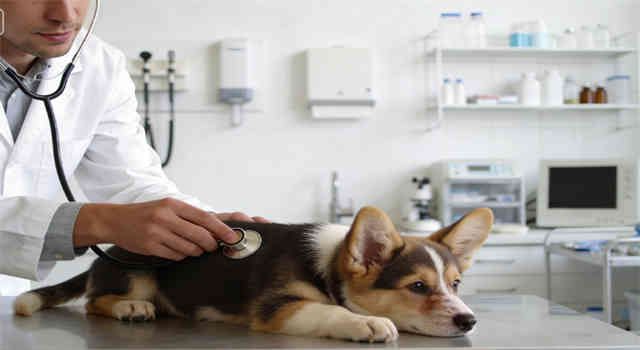
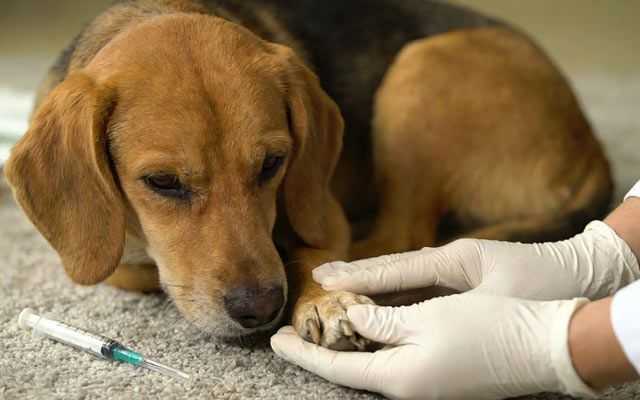
When diagnosing canine cancer,veterinarians first perform a physical examination to rule out abnormal lumps and ecchymosis on the body surface.Palpation(pressing the body surface to sense deeper organs and tissues)is also used to detect potential lesions.Based on this,the following diagnostic methods may be used:
-Fine-needle aspiration biopsy(FNA)or tissue biopsy:Determines the nature of the mass,the type of cancer,its malignancy,and its grade,providing crucial information for disease assessment.
-Blood and urine tests:Assess the overall health of the body,evaluate organ function,and assist in determining the condition.
-Imaging examinations:X-rays and ultrasound scans are used to screen for potential masses in the chest and abdomen to determine the location and extent of lesions.
After diagnosis,the veterinarian may recommend further examinations(such as CT scans,bone marrow aspiration,supplementary biopsies,etc.)or referral to an oncologist for disease staging(to determine the extent of cancer spread).The prognosis of cancer depends on its type,grade,and stage;generally,the higher the malignancy and the later the stage,the worse the prognosis.
Treatment options for canine cancers
Conventional treatments for canine cancers include surgery,radiation therapy,and chemotherapy.Some cancers respond well to a single treatment,while more malignant cancers may require a combination of two or three treatments to improve prognosis.
Most canine cancers are difficult to cure completely;only some types can be cured surgically.For cases that cannot be cured,the core goal of treatment is to prolong the dog's survival,improve its quality of life,and allow owners and pets more quality time together.
Commonly used cancer treatment drugs in clinical practice include:carboplatin,chlorambucil,cyclophosphamide,doxorubicin,L-asparaginase,lomustine,mitoxantrone,tosirani(Paradia),prednisone,vincristine,etc.Specific medication needs to be determined based on the type and condition of the cancer.
Prognosis and Care of Canine Cancers
The treatment and management of canine cancers differ from those of human cancers.The core goal is to ensure the quality of life for dogs;therefore,drug dosages and administration frequencies are usually lower than in humans to minimize side effects.Common side effects during treatment include decreased appetite,lethargy,vomiting,and diarrhea.In severe cases,complications such as bone marrow suppression and infection may occur.
Unlike humans,most canine breeds do not experience hair loss after chemotherapy.Only curly-haired or rough-haired breeds(such as poodles and terriers)may experience mild hair loss.During chemotherapy,it's crucial to prioritize the dog's comfort,manage pain effectively,and provide a soft bed and a quiet resting environment.Close collaboration with the veterinarian is essential,strictly adhering to appointment schedules,conducting regular blood tests and other monitoring,and adjusting the treatment plan as needed.
Caring for a dog with cancer is an extremely challenging task.Owners may face significant financial pressure and intense emotional fluctuations.During this time,it's vital to cherish every moment spent with your dog,conveying love through companionship and interaction.
Regarding when to discontinue treatment or consider euthanasia requires a comprehensive assessment based on each pet's specific circumstances.Key considerations include:disease prognosis,metastasis,treatment risks,medical costs,and quality of life.While quality of life assessment is subjective,the"Five Freedoms"principle can be used as a reference:freedom from hunger and thirst,freedom from discomfort,freedom from pain,injury,and disease,freedom to express normal behavior,and freedom from fear and suffering.