Information
- Home
- health

Pollen allergy in dogs is a common environmental allergy,mainly manifesting as itching,skin inflammation,sneezing,and ear infections.The incidence is significantly higher during spring and autumn when pollen concentrations are high.
Pollen allergy occurs when a dog's immune system overreacts to pollen released by trees,herbs,or weeds.While there is currently no cure,proper veterinary care can effectively control symptoms and ensure a dog's quality of life.
I.What is pollen allergy in dogs?
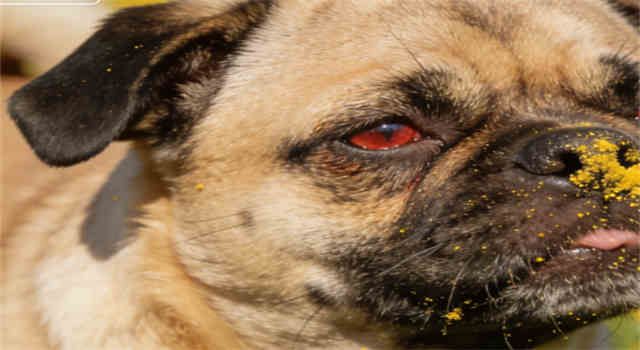
Pollen allergy is the most common seasonal allergy in dogs.Pollen consists of tiny particles released by trees,herbs,flowers,and weeds,which are carried by air currents and easily adhere to a dog's skin and fur.
When a dog inhales pollen or ingests it while grooming,its immune system may misinterpret the pollen as a harmful intruder,leading to an overreaction and a range of allergic symptoms such as itching,skin redness,and inflammation.
Pollen concentrations are greatly affected by region and season,typically peaking in spring and autumn.Because different plants have different flowering periods,some dogs may only experience allergy symptoms during specific seasons,while remaining unaffected in other seasons.
II.Symptoms of Canine Pollen Allergy
Common symptoms of canine pollen allergy include the following:
-Itchy and watery eyes
-Skin redness
-Frequent paw licking
-Generalized itching
-Skin biting
-Sneezing or backward sneezing
-Diarrhea
-Runny nose
-Frequent head shaking
-Hair loss
-Hives
III.Causes of Canine Pollen Allergy
Similar to other allergies,the core trigger for canine pollen allergy is an overactive immune system that misinterprets pollen,a"non-harmful substance,"as a real threat.When a dog comes into contact with pollen,its immune system activates its defense mechanisms,triggering various allergy symptoms.These symptoms are essentially the immune system's attempt to eliminate the sensitizing substance.
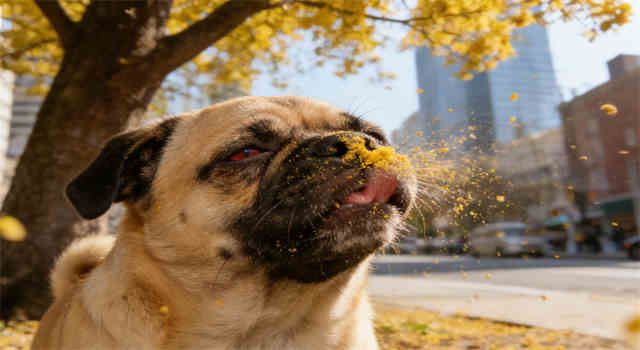
Currently,the exact reasons why some dogs are prone to pollen allergies while others are not are not fully understood.However,research suggests that genetic factors may be a significant contributing factor,making certain breeds more susceptible to pollen allergies compared to others.
The following breeds are more prone to pollen allergies:
-American Pit Bull Terrier
-French Bulldog and English Bulldog
-Golden Retriever and Labrador Retriever
-German Shepherd
-Cocker Spaniel
-Boxer
-West Highland White Terrier
The United States is divided into different allergy zones based on the types of plants and trees in different areas.Pollen concentrations are consistently high in the Midwest and Southern states,consistently ranking among the top allergy-prone areas.These include:
-Kansas
-Oklahoma
-North Carolina
-Texas
In addition,parts of Florida,Pennsylvania,and South Carolina also have relatively high pollen concentrations.Pollen concentrations in the Rocky Mountain region(including Utah and Colorado)are generally lower than in other U.S.states.
If a pet owner relocates to another state,the dog's allergy symptoms may change,primarily because the types and concentrations of allergenic pollen the dog is exposed to change.
IV.How Veterinarians Diagnose Pollen Allergies in Dogs
Diagnosing pollen allergies in dogs cannot be done with a single test.Veterinarians need to consider the dog's medical history,physical examination results,seasonal characteristics of the symptoms,and relevant diagnostic test results to rule out other possible causes of itching before a diagnosis of environmental allergy(pollen allergy)can be made.
(I)Medical History and Physical Examination
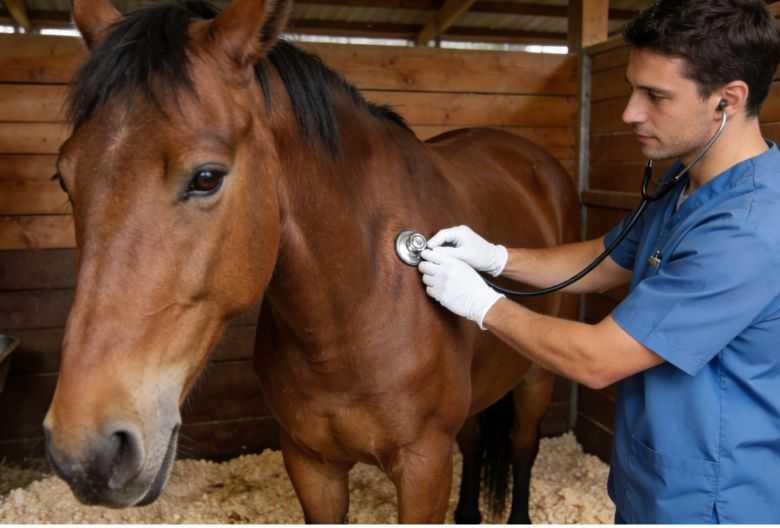
Pollen allergy can usually be initially diagnosed through the dog's medical history and a veterinarian's physical examination.The veterinarian will inquire in detail about the timing of symptom onset(e.g.,whether it occurs during peak pollen seasons such as spring and autumn)and perform a comprehensive physical examination,observing for symptoms such as skin redness,hair loss,ear infections,and nasal discharge.Seasonal itching is an important characteristic indicating environmental allergy(pollen allergy).
(II)Rule Out Other Causes
Because the symptoms of parasitic infections,skin infections,and other conditions are similar to those of pollen allergies,veterinarians typically perform the following examinations to rule out related causes:
-Check for flea and tick infestations
-Check for mite infestations via skin scraping
-Check for secondary skin infections
(III)Allergy Testing
For environmental allergies in dogs,the most accurate diagnostic method is an intradermal allergy test,usually performed by a veterinary dermatologist.During the test,a small amount of hair is shaved from a specific area ofthe dog's body,and a trace amount of allergen is applied to the skin surface.The skin reaction is observed and assessed after 30 minutes.Subsequent treatment plans will be tailored to the dog based on the test results.
In private clinics,some veterinarians may choose to test for antibodies against various allergens in the dog's body via blood tests.Although this method is less accurate than the intradermal allergy test,it can help narrow down the range of pollen allergens and provide a reference for subsequent diagnosis and treatment.
V.Treatment of Canine Pollen Allergy
Treatment for canine pollen allergy varies,and the specific treatment plan needs to be determined based on the severity of the allergic reaction and the frequency and concentration of the dog's exposure to the allergen.
(I)Drug Treatment for Pollen Allergy
For mild pollen allergies,antihistamines are usually used for seasonal control.Depending on the dog's specific symptoms,the veterinarian may recommend over-the-counter antihistamines such as Benadryl or Cetirizine(Zyrtec).
For pollen allergies that cause skin symptoms,the veterinarian may prescribe prescription medications such as Zenrelia.This medication is a once-daily oral tablet that can quickly control allergic itching and reduce skin inflammation in dogs over 12 months old.It is suitable for both short-term allergy relief and long-term allergy management.
Other commonly used prescription medications include Apoquel,Cytopoint,and steroids.
It is particularly important to note that you must consult a veterinarian before giving your dog any new medication.Never give your dog human medications without a veterinarian's guidance.(II)Allergy Immunotherapy
If the pet owner has already had their dog tested for allergies and identified the specific pollen allergen,a customized allergy vaccination(i.e.,immunotherapy)can be administered.This therapy works through desensitization treatment(also known as allergy desensitization),specifically by gradually exposing the dog's immune system to trace amounts of the allergen.As treatment progresses,the pollen dosage is gradually increased,allowing the immune system to build tolerance to the allergen and achieve long-term control of the allergy.
(III)Supplements and Special Prescription Foods
Various supplements and veterinary prescription foods can help dogs with pollen allergies recover.Omega-3 fatty acids can enhance the skin's natural barrier function,reducing skin discomfort caused by allergies.Supplements such as Vetoquinol Omega,Nutramax Welactin,and Dechra Eicosa Dermall are rich in Omega-3 and are easy for dogs to administer.
Some veterinary prescription foods,such as Hill's Derm Complete,contain nutrients that support skin health,helping to stably control pollen allergy symptoms in dogs throughout the year.
(IV)Local Treatment
Local treatment can effectively relieve discomfort caused by pollen allergies in dogs.Medicated shampoos,such as Douxo S3 shampoo and KetoChlor medicated shampoo,can reduce the growth of yeast and bacteria on the dog's skin surface,lowering the risk of secondary skin infections.
Dogs with pollen allergies often also have ear infections.Regularly cleaning the ears with a canine ear cleaner(such as EpiOtic)can effectively reduce the frequency of ear infections.
VI.Recovery and Management of Canine Pollen Allergies
The core of treating canine pollen allergies is symptom control;a complete cure is currently not possible.
Once the peak allergy season for a dog is identified,veterinarians usually recommend administering antihistamines before pollen begins to spread during that season to prevent allergy symptoms from occurring or to reduce their severity.
For dogs with year-round allergies or allergies to multiple pollen types,long-term oral antihistamines or allergy injections may be necessary to maintain symptom stability.
It's important to note that untreated pollen allergies can lead to secondary skin infections in dogs,causing severe discomfort and impacting their quality of life.
If pet owners are waiting for a veterinarian to prescribe allergy medication for their dog,they can have the dog wear an Elizabethan collar while waiting to prevent the dog from licking or biting its own skin,thus avoiding skin hotspots and other self-harming behaviors.
VII.Preventing Canine Pollen Allergies
The core principle of preventing canine pollen allergies is to reduce the dog's contact with allergenic pollen.Besides relocating to an area with lower pollen concentrations,pet owners can reduce pollen levels in their dogs'living environment through the following methods:
-If your dog is allergic to grass pollen,wipe its paws and belly promptly after it returns from outdoors to remove any attached pollen;
-Keep your dog's environment cool and keep it indoors as much as possible to reduce outdoor pollen exposure and lower the probability of allergy attacks;
-Bathe your dog regularly every 2-4 weeks to reduce pollen adhering to its skin and fur;
-Use a high-quality HEPA filter to reduce the amount of pollen brought indoors through the air and human clothing;
-Regularly clean all of your dog's bedding to reduce pollen buildup on surfaces your dog frequently touches.