Information
- Home
- health

Whether a dog has entered senior years depends primarily on its size:small dogs typically enter senior years around 10 to 12 years old,while large and giant breeds may enter senior years as early as 6 to 8 years old.
With the continuous development of veterinary medicine and the improvement of pet owners'awareness and care levels,the lifespan of domestic dogs is showing a gradual upward trend.It's important to clarify that age itself is not a disease,but as pets age,their physiological functions undergo natural changes,thus requiring extra care and attention from owners.
The most common and accurate method for determining whether a dog has entered senior years is based on its size.Generally speaking,the larger the dog,the shorter its lifespan tends to be.
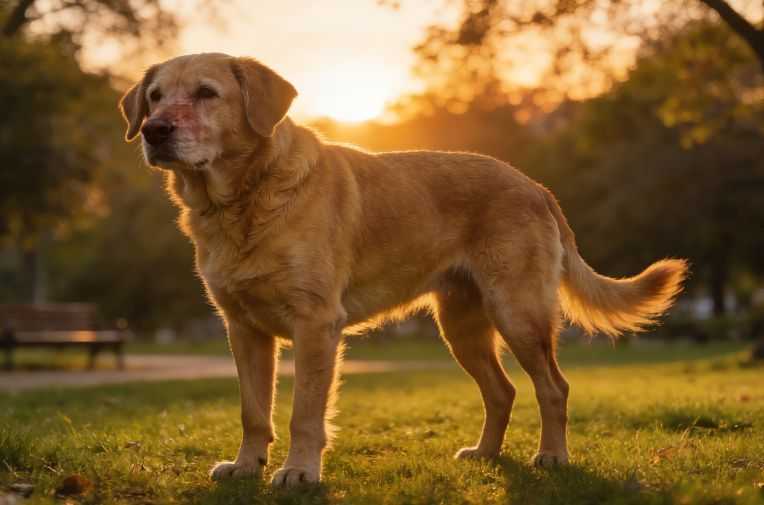
While the exact reasons why large breeds have shorter lifespans than small breeds are not fully understood,it is generally believed in the industry that small breeds experience less physiological stress,especially on their hearts,resulting in longer lifespans and a slower aging process.Furthermore,some age-related diseases are often more difficult to treat in large breeds than in small breeds.
This is why large dogs enter senior years earlier than small dogs.For example,giant breeds like Great Danes might be considered senior dogs at age 6,while small breeds like Dachshunds might not reach senior age until age 10.Generally,most dogs are considered senior dogs around age 8.
When is a dog considered a senior dog?—Breed Size and Senior Age Correspondence Table
-Small dogs(e.g.,Dachshund):10-12 years old
-Medium dogs(e.g.,Australian Shepherd):8-10 years old
-Large dogs(e.g.,Boxer):8-9 years old
-Giant dogs(e.g.,Great Dane):6-7 years old
Signs of a dog entering senior age
As dogs age,their physiological and psychological states undergo a series of natural changes.The following are common signs of adult dogs entering senior age for pet owners to refer to.
(I)Changes in Appearance
Some dogs show obvious changes in appearance as they age.For example,graying of the muzzle and fur is common in older dogs.Simultaneously,their skin elasticity gradually decreases,leading to slower wound healing and reduced hair regrowth.
The lens of an older dog's eye may become cloudy with a bluish tint,a condition known as nuclear sclerosis.It's important to note that while this cloudiness resembles cataracts,the two are fundamentally different:cataracts cause vision changes and can lead to blindness in severe cases,while nuclear sclerosis does not affect a dog's vision.
(II)Changes in Energy Levels
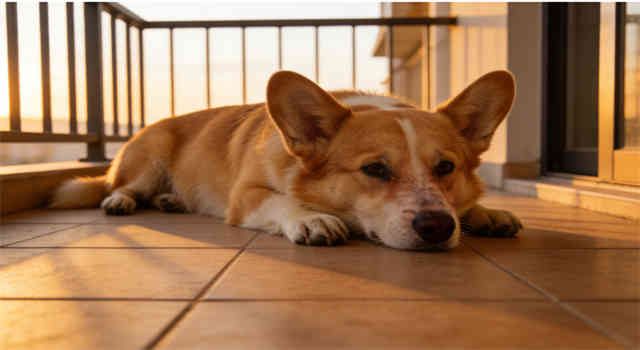
Older dogs typically have significantly lower energy levels than adult dogs.Their tolerance for play and deliberate exercise decreases markedly,and their daily sleep duration increases significantly—all normal physiological changes associated with old age.
(III)Changes in Dietary Habits
Older dogs are best fed specially formulated senior dog food.This type of food is specifically optimized to prevent weight gain due to reduced activity levels,thus ensuring their health.
The dietary habits of older dogs often change significantly,manifesting as decreased appetite,anorexia,or,in some cases,an unusually strong appetite.It is particularly important to note that changes in appetite,or accompanying symptoms such as vomiting,diarrhea,and increased thirst,in older dogs may be warning signs of underlying illnesses,and they should be taken to a veterinarian for examination promptly.
(IV)Changes in Mobility
As dogs age,their muscle mass gradually decreases,while fat accumulates more easily,potentially leading to obesity.Obesity can trigger or exacerbate various health problems,including mobility impairments and metabolic diseases such as diabetes.
Arthritis and other diseases affecting mobility are more common in older dogs.Even if a dog is diagnosed with orthopedic conditions such as patellar luxation or ligament tears in puppyhood,discomfort or worsening of the condition may recur with age and the development of other age-related diseases.
If an older dog has difficulty getting up from furniture or going downstairs due to arthritis or injury,consider adding a dog-specific ramp or steps to the home to assist with movement and reduce the burden on its joints.
In addition,if a dog exhibits lameness,dragging its feet,or muscle atrophy,it may be a sign of orthopedic disease or related to neurological disorders such as degenerative spinal cord disease.If such symptoms are observed,consult a veterinarian promptly to determine the cause and initiate targeted treatment.
(V)Behavioral Changes
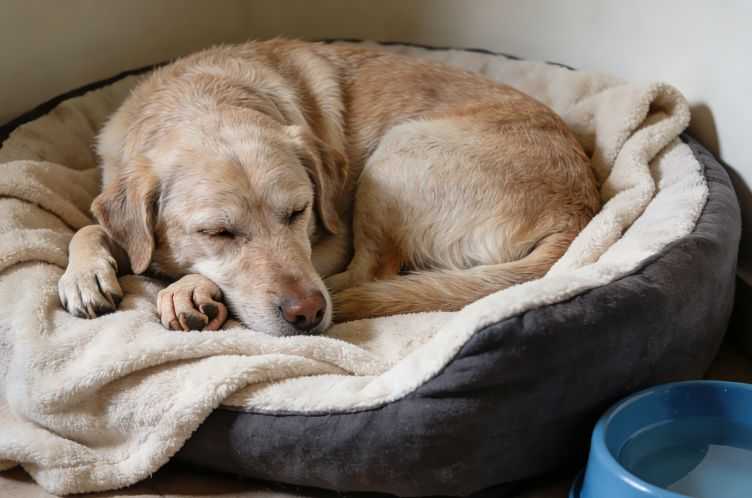
As dogs age,their daily sleep time often increases,while their activity level decreases accordingly.If you notice a significant increase in a senior dog's sleep time,especially during its previously energetic and active periods,this usually indicates that it has entered its senior years.
Besides increased sleep time,various common health problems in senior dogs can cause pain and discomfort,leading to changes in their physical and mental state.For example,changes in appetite,stiffness,difficulty climbing stairs,anxiety,and increased aggression may all indicate that the senior dog is experiencing pain and require close attention from the owner.
Furthermore,canine cognitive impairment syndrome(CCD or CDS)is also a common cause of behavioral changes in senior dogs.The pathological process of this condition is similar to dementia and is often compared to the early stages of Alzheimer's disease in humans.This age-related cognitive change stems from the natural decline in a dog's brain function,leading to varying degrees of decline in its perception,learning,memory,and overall responsiveness to the outside world.
(VI)Sensory Changes
As dogs enter old age,their sensory functions are likely to be affected.Vision,hearing,smell,and taste may all weaken,and in severe cases,may even be completely lost.
Older dogs with declining vision may show reluctance to go out at night;if their hearing declines,their response to their owner's voice commands will be significantly reduced.If you notice any of these sensory changes in your dog,take it to a veterinarian as soon as possible so that the veterinarian can develop an appropriate care and treatment plan based on the specific situation.
Senior Dog Care Guide
Caring for senior dogs is not as complicated as you might imagine,and the companionship and love that senior pets provide can be a very meaningful experience.The following are key care points for senior dogs to help owners better protect their dogs'health.
(I)Veterinary Care
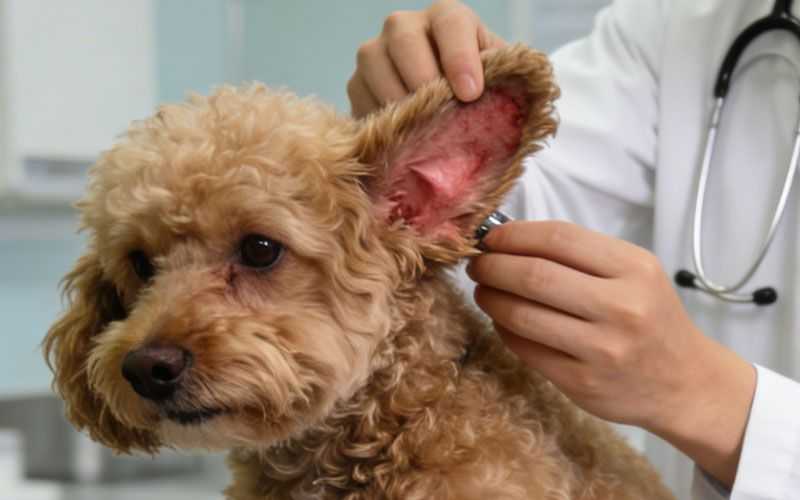
One of the most important measures to ensure that senior dogs can live happily and healthily is to take them to a veterinarian for regular checkups and to receive systematic preventative care.It is recommended that senior dogs undergo a comprehensive physical examination every six months.The examination should include a physical examination,blood tests,and urine tests.These tests comprehensively assess the function of the senior dog's internal organs,allowing for the timely detection,intervention,and treatment of potential health problems.
(II)Nutritional Supply
A scientifically sound and appropriate nutritional supply is crucial for the health of senior dogs.Switching the dog's staple food to a veterinarian-recommended senior dog food can help address any potential health issues.This type of food is specially formulated for the physiological characteristics of senior dogs,typically with lower fat and calorie content,effectively preventing obesity and helping them maintain good mobility.
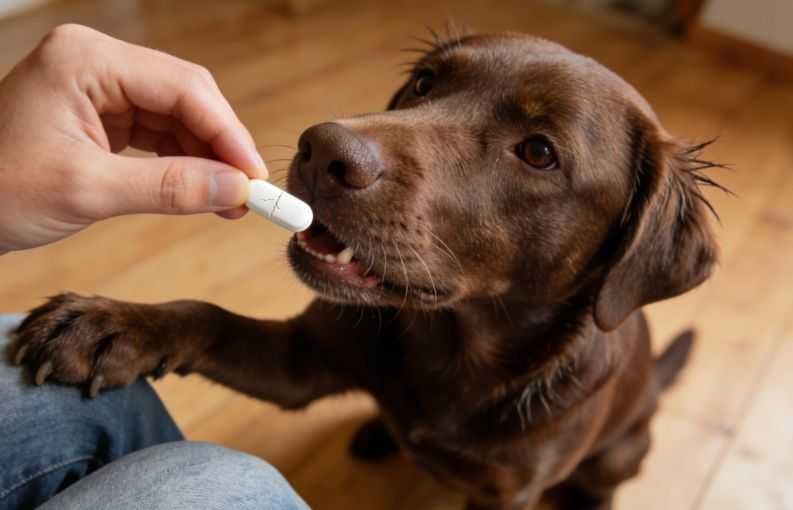
Some senior dog foods also contain added functional supplements such as glucosamine and chondroitin,which are beneficial for maintaining joint health and improving mobility.It is important to consult a veterinarian before changing the dog's diet or adding any nutritional supplements to ensure the safety and suitability of the plan.
(III)Comfort and Pain Management

Ensuring the daily comfort of senior dogs and promptly alleviating any potential pain is a crucial part of their care.Laying non-slip mats on smooth surfaces(such as tile or wood flooring)at home increases their traction while walking,preventing slips and injuries,and reducing joint stress.
A high-quality orthopedic dog bed is essential for providing a comfortable sleeping environment for senior dogs,effectively cushioning joint pressure and reducing stress points.High-quality orthopedic dog beds are typically made of sturdy foam and come with removable and washable covers for easy cleaning and maintenance;some beds also include head and neck support pillows to further enhance the dog's rest comfort.
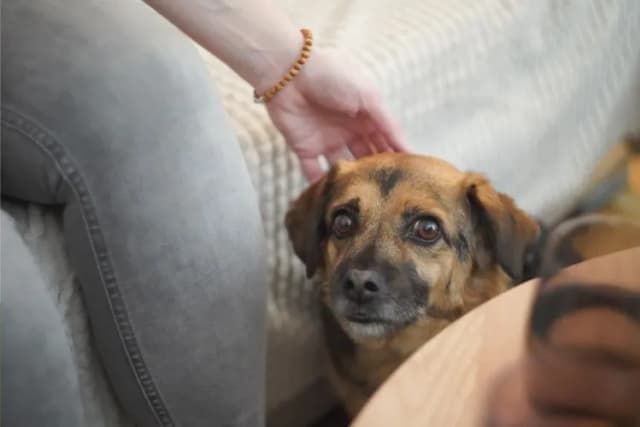
While senior dogs may experience various age-related health issues,this does not preclude them from enjoying a happy,healthy,long,and vibrant life.Some senior dogs may require more love and care than others,but like pets of any age,they are indispensable members of the family and deserve loving care and affection.