Information
- Home
- health

Panting in dogs is an important indicator of their physiological and psychological state.It's primarily used to regulate body temperature,express excitement or stress,and in some cases,can signal pain relief or illness.While panting is mostly a normal physiological behavior,excessive or unexplained panting may indicate a medical emergency and should be taken seriously by the owner.
Panting is one of the most common and confusing behaviors in dogs.Understanding the causes of panting in dogs and how to identify abnormal panting helps owners accurately determine when to cool their dog down,relieve stress,or contact a veterinarian for intervention.
Key Points
Panting is a primary way for dogs to regulate their body temperature,as they do not have the sweating function found in humans.
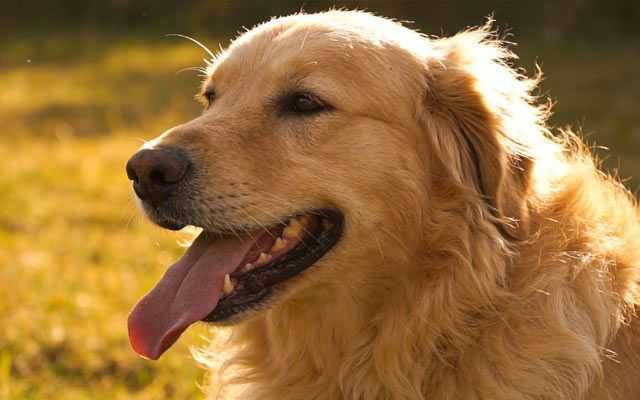
Panting in dogs can also be caused by excitement,stress,pain,medication,or illness.
If the intensity of panting is inconsistent with the level of activity,ambient temperature,or the situation,it may be abnormal.
Heatstroke,pain,and heart or lung diseases can all lead to dangerous panting.
If you have any doubts about your dog's panting,contact a veterinarian immediately.
Health Aids
If you're unsure whether your dog needs veterinary attention,you can get guidance from veterinarian-developed symptom assessment tools.Simply answer a few questions about your pet's symptoms to understand the most likely cause and subsequent treatment steps.
Common Causes of Panting in Dogs
1.Regulating Body Temperature(Coping with Heatstroke)
For active dogs,panting is a normal behavior for regulating body temperature.Since dogs lack the sweating mechanism of humans,they need to pant to cool down:quickly inhaling air to moisten their respiratory tract,then exhaling the air accelerates the evaporation of moisture from the nasal cavity and lungs,thus lowering body temperature from the inside out.
During panting,dogs lose water rapidly,so in hot weather,ensure your dog has access to plenty of clean drinking water at all times.This type of normal panting may be quite intense,but the intensity should be proportional to the ambient temperature and the dog's activity level.
If your dog is panting due to high temperatures,immediately move it to a cool,shady place,provide a clean water bowl,and lay down a cooling mat to help it cool down.
2.Expressing Excitement
Panning in an excited state is a normal physiological response in dogs when encountering pleasant situations,such as seeing strangers or receiving a treat.This type of panting is usually rapid,shallow,and often accompanied by whimpering.
3.Relieving Stress
Similar to panting caused by excitement,dogs often pant and whimper when under excessive stress.When owners notice their dog panting,they should simultaneously observe its body language:dilated pupils,alert eyes,shifty gaze,or frequent yawning are typical signs of stress in the dog.
It is recommended to promptly assess the environment and take measures to create a comfortable atmosphere for the dog,preventing fear or increased stress.If the dog frequently exhibits stress-induced panting,consult a veterinarian for professional solutions,such as using an anti-anxiety vest,soothing aromatherapy,calming supplements,or medication.
Potential Causes of Excessive Panting in Dogs
While panting can have many normal causes,excessive panting in dogs(such as prolonged,continuous panting in a cool,quiet environment)may indicate an underlying health issue requiring close monitoring.
1.Body Pain or Discomfort
Excessive panting can be a sign of nausea,discomfort,or pain in your dog.A veterinarian can determine if the panting is caused by pain through a thorough physical examination and,if necessary,diagnostic testing.
2.Medication Side Effects
Some medications,especially steroids like prednisone,can worsen panting in dogs,even if they are not in a hot,excited,or stressed state.This is a common side effect.If your dog pants excessively after taking medication,inform your veterinarian immediately so they can assess whether the medication regimen needs adjustment.
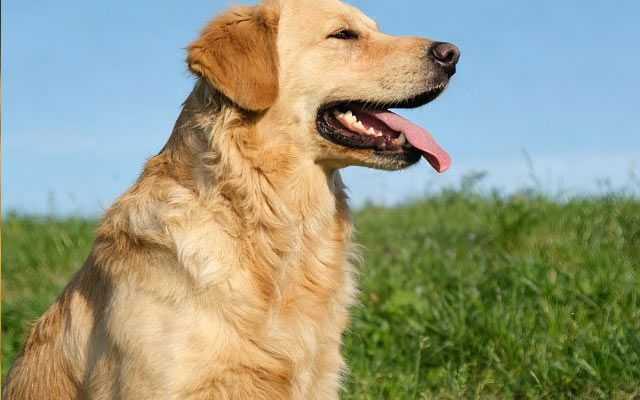
3.Heatstroke(Overheating)
Heatstroke caused by overheating can lead to severe panting in dogs.If not treated promptly,it can quickly cause dehydration and even death,requiring immediate veterinary intervention.Besides heavy panting,dogs suffering from heatstroke may also exhibit restlessness,lying down and not responding to commands,with the primary concern being cooling down.
During the hottest summer months,the following measures can help prevent heatstroke in dogs:schedule regular rest periods,prioritize cool,shaded areas for activity,and provide ample drinking water;avoid letting dogs stay in hot environments for extended periods,avoid outdoor exercise during the hottest part of the day,and never leave dogs alone in a car.
Brachy breeds(short-snouted dogs)are more prone to heatstroke due to their airway structure and weaker heat dissipation capabilities.Extra care should be taken to keep them cool and ensure adequate hydration in hot weather.
4.Medical Factors
Heart disease,lung disease(such as pneumonia),and hormonal imbalances(such as Cushing's disease)can all cause abnormal panting or difficulty breathing in dogs.This type of panting is often unrelated to the environment or activity level and requires a medical examination for diagnosis.
How to determine if a dog is panting excessively?
The following methods can help owners distinguish between normal panting and a sign of illness in dogs.If the panting is excessive or abnormal,contact a veterinarian immediately.
1.Assess the Behavior in Context
Normal panting is highly correlated with ambient temperature and activity level.Healthy dogs typically do not pant when not exercising or experiencing excitement.If a dog continues to pant or breathe rapidly while resting or sleeping,it is likely abnormal.
First,check if the dog is under stress,excited,or overheated,as panting in these situations is usually normal.If panting persists after ruling out these factors,be alert for abnormalities.
2.Observe Accompanying Symptoms
If panting is accompanied by lethargy,loss of appetite,trembling,coughing,or abnormal gum color such as gray,blue,or bright red,be alert for pathological causes.These accompanying symptoms can effectively distinguish between normal and abnormal panting.
3.Pay Attention to Changes in Panting Sounds
Abnormal changes in the sound of panting should not be ignored.Some breeds,such as Labrador Retrievers and Golden Retrievers,are prone to laryngeal paralysis,a vocal cord dysfunction that prevents the airway from opening and closing properly.Affected dogs will produce a characteristic,piercing sound when panting.
Short-snouted dogs(such as Pugs and English Bulldogs)are prone to airway obstruction due to their long soft palate and redundant pharyngeal tissue,which may cause abnormal snorting sounds when panting.These dogs have limited heat dissipation and are more susceptible to heatstroke.Owners should keep their environment cool and closely monitor changes in their panting sounds.
4.The Principle of Seeking Veterinary Help Immediately
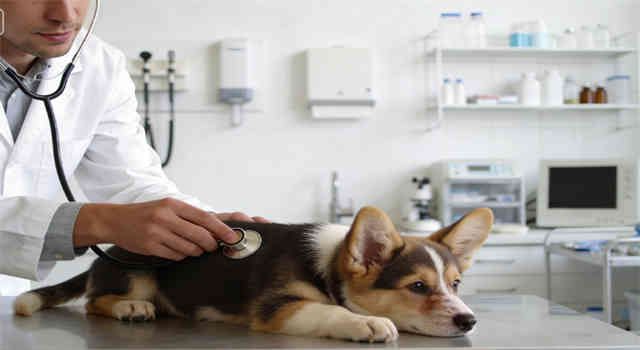
The core principle for determining whether to contact a veterinarian is crucial:if the owner is concerned about their dog's panting,they should consult a veterinarian promptly.There is no need for excessive anxiety,but professional judgment should be left to the veterinarian to avoid delaying the diagnosis and treatment of potential diseases.
Emergency Treatment for Dogs'Severe Panting
If you notice abnormal panting in your dog,take immediate action and contact a veterinarian for professional guidance.
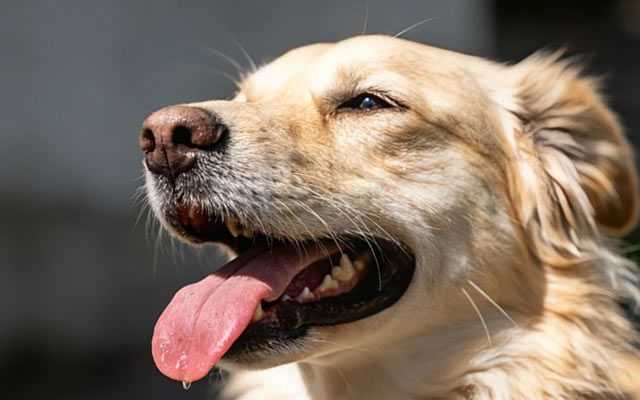
Scenario 1:Dog Suspected of Overheating(Heatstroke)
Immediately take cooling measures and remain calm to avoid panic:Use a soft hose to rinse the dog's body to help lower its temperature;immediately move the dog indoors or to a cool,well-ventilated area;provide clean drinking water;simultaneously call a veterinarian or local emergency veterinary clinic to explain the situation and obtain guidance.
If veterinary care is required,keep the car's air conditioning on during transport to maintain a cool environment.The dog may need hospitalization for intravenous fluid therapy and blood tests to assess organ damage.
Scenario 2:Panting Accompanied by Other Abnormal Symptoms
Contact a veterinarian immediately and schedule an appointment.The veterinarian may recommend blood tests,X-rays,and other examinations to rule out underlying diseases.For excessive panting not caused by heatstroke,treatment may include home medication or hospitalization for professional treatment.
Owners are most familiar with their dog's daily behavior.If you notice any abnormalities or have any concerns,be sure to call a veterinarian immediately.Timely intervention and treatment may save your pet's life.