Information
- Home
- health

Like humans,pets can also experience various side effects after taking medication.The severity of these side effects is influenced by a variety of factors,ranging from mild discomfort to serious illness.
It is recommended that pet owners fully discuss the associated risks with their veterinarian before administering any medication to their pet,comprehensively weighing the potential benefits against possible side effects.If a side effect is suspected,contact your veterinarian immediately to determine the appropriate treatment.
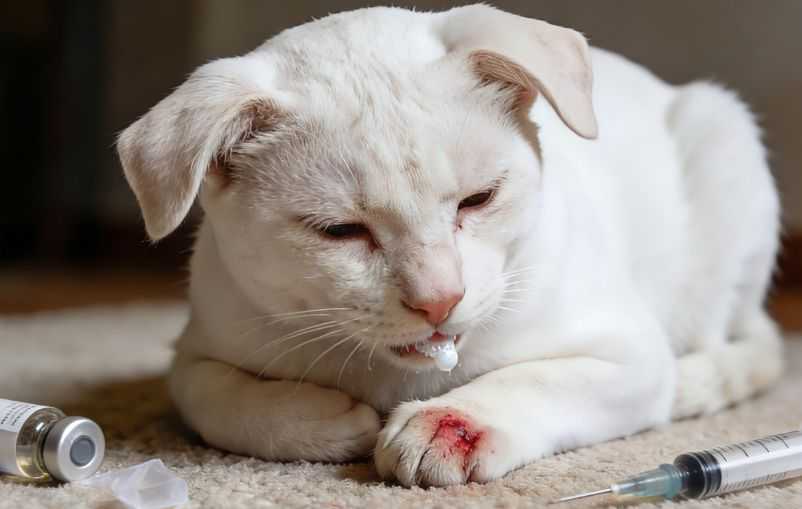
Common Drug Side Effects in Pets
The specific symptoms of drug reactions or side effects in pets mainly depend on the following two factors:
-Type of medication and method of administration:Generally,injectable medications are more likely to cause side effects in pets than oral medications.
-Pet's health condition and age:Older pets with underlying medical conditions may react significantly differently to the same medication compared to younger,healthy pets.
The following are some of the most common side effects of medication in pets and related explanations:
I.Gastrointestinal Discomfort
Mild gastrointestinal discomfort is one of the most common side effects of pet medications.This is mainly because most medications are ingested orally and absorbed within the gastrointestinal tract.
Some pets may experience more severe gastrointestinal reactions,including vomiting,diarrhea,decreased appetite,or complete loss of appetite.These symptoms usually subside as the pet's body gradually adapts to the medication,but in some cases,they may worsen,requiring prompt intervention.
It is recommended that pet owners consult their veterinarian to determine the correct method of administration—whether it should be taken with food or on an empty stomach.This detail significantly impacts the pet's tolerance to the medication.
Common medications that easily cause gastrointestinal upset include:
-Antibiotics:When pets are taking antibiotics,probiotics can be supplemented under the guidance of a veterinarian to prevent or alleviate adverse symptoms such as diarrhea,vomiting,and loss of appetite that may be caused by antibiotics.
-Levothyroxine(used to treat hypothyroidism in dogs)
-Methimazole(used to treat hyperthyroidism in cats)
-Steroids,such as prednisone and prednisolone
-Antihypertensive drugs
-Gabapentin(especially suitable for cats)
-Oral and topical flea and tick control medications
II.Excessive Saliva Production
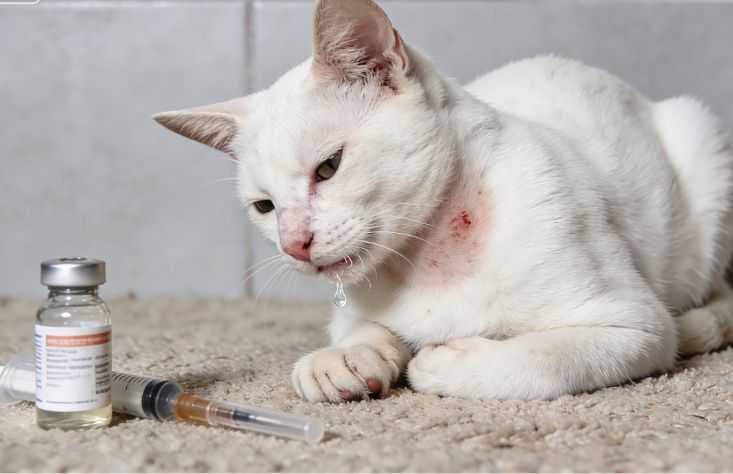
Excessive salivation,also known as drooling,is a common side effect of some pet medications.The main cause is often the bitter or irritating taste of the medication itself.For such medications,it is not recommended that pet owners crush them before giving them to their pets,as this may further aggravate the unpleasant taste and worsen the abnormal salivation.
Tramadol,a commonly used prescription pain reliever for pets,has a bitter taste and therefore must never be crushed before administration.In addition,antibiotics,antihistamines,and steroids may cause dry mouth in pets,which in turn reflexively stimulates salivation.Other known medications that can cause excessive salivation include methimazole,flea and tick dewormers,and gabapentin.
III.Gastric Ulcers
Nonsteroidal anti-inflammatory drugs(NSAIDs),such as carbofenac(Rimadyl),dermacoxib(Deramaxx),meloxicam,and robecoxib(Onsior),as well as steroids,such as prednisone and prednisolone,are known to increase the risk of gastrointestinal ulcers in pets.
Typical symptoms of gastrointestinal ulcers include vomiting and diarrhea,possibly accompanied by bloody and/or black stools.It is crucial that these medications never be used in combination,as this significantly increases the risk of ulcers.Clinically,pet gastric ulcers are usually treated with medications that reduce gastric acid secretion and protect the gastrointestinal mucosa.
IV.Lumps and Bumps

Drug side effects affecting pet skin are relatively common,with lumps and bumps on the skin often caused by injectable medications.After a pet receives an injection,the owner may find a small lump at the injection site.These lumps usually subside quickly as the medication is absorbed by the body and generally require no special treatment.
V.Skin Irritation
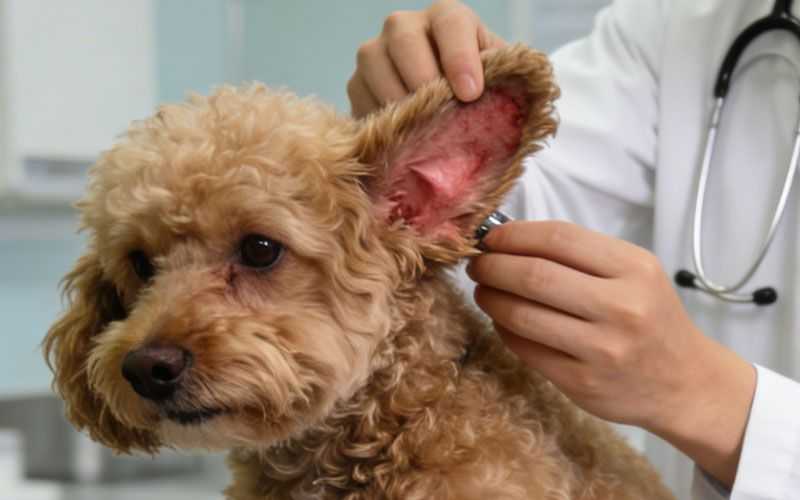
Oral,injectable,and topical pet medications can all cause skin irritation in pets.Antibiotics,thyroid medications,steroid medications,and flea and tick control medications are all associated with skin irritation symptoms in pets.
Common symptoms of pet skin irritation include hair loss,itching,swelling,redness,crusting,red welts,hives,and blisters.The severity and pain levels vary considerably from person to person.Mild symptoms usually resolve on their own,while severe cases can lead to immune system diseases such as lupus.
Furthermore,skin irritation may cause pets to excessively lick,bite,and chew the affected area,further aggravating the skin damage and creating a vicious cycle.
VI.Liver and Kidney Damage
All medications administered to pets must be metabolized in the body to exert their effects.The liver and kidneys are the core organs for drug metabolism and may be damaged during this process.Common side effects of liver and kidney damage include increased thirst,increased urination,vomiting,diarrhea,yellowing of the skin or whites of the eyes,and drowsiness.
Short-term or long-term use of nonsteroidal anti-inflammatory drugs(NSAIDs)is often associated with liver and/or kidney damage.These reactions are often specific and difficult to predict in advance.Generally,strictly adhering to the veterinarian's recommended dosage and duration of treatment with appropriate NSAIDs can effectively avoid these side effects.
Steroids are known to cause liver problems,but this usually only occurs with long-term,high-dose use or when the pet's liver function was already impaired before medication.Additionally,antihypertensive drugs are known to cause kidney dysfunction.
VII.Drowsiness or Behavioral Changes
Pet medications often affect a pet's brain function,leading to behavioral changes.Sometimes,these behavioral changes are precisely the therapeutic purpose for which the veterinarian prescribes the medication,such as anti-anxiety medications and sedative/analgesic drugs(e.g.,opioids,tramadol,gabapentin),whose core function is to regulate pet behavior or relieve pain.However,in some cases,behavioral changes can be an unexpected side effect,such as restlessness or hyperactivity in pets.
The severity of these behavioral changes varies,but in severe cases,they can lead to agitation and restlessness.Agitation and restlessness is an abnormal mental state,primarily manifested by frequent vocalizations,panting,or difficulty resting.Furthermore,pets are prone to agitation during and after anesthesia.
Metronidazole,an antibiotic used to treat infections,is known to affect brain function in older pets,especially at high doses.Most antihistamines are commonly used to treat various allergies in pets,but due to individual differences,some pets may experience drowsiness,while others may exhibit hyperactivity.
Other known medications that may cause drowsiness or behavioral changes include levothyroxine,steroids,antihypertensive drugs,insulin,antihistamines,and flea and tick control medications.