Information
- Home
- health

Like other animals,fish can suffer from various skeletal and muscular diseases,with Pleistophora hyphessobryconis infection and back-broken spine disease being two of the more common types.
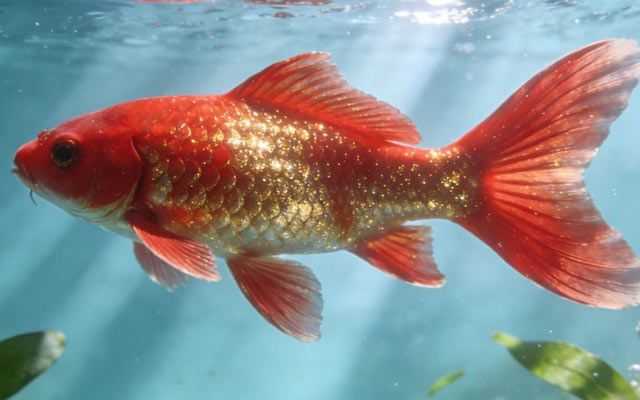
Back-broken spine disease is a common skeletal and muscular disease in fish,primarily caused by vitamin C deficiency.Affected fish exhibit the typical symptom of spinal curvature.In addition,trauma can also lead to abnormal spinal morphology in fish,causing similar symptoms.
Another common disease is caused by infection with Pleistophora hyphessobryconis.This parasite mainly attacks the skeletal muscles of freshwater ornamental fish(such as neon tetras and angelfish)—the muscle tissue responsible for body movement.After infection,the skeletal muscles are damaged,resulting in symptoms of abnormal muscle movement.
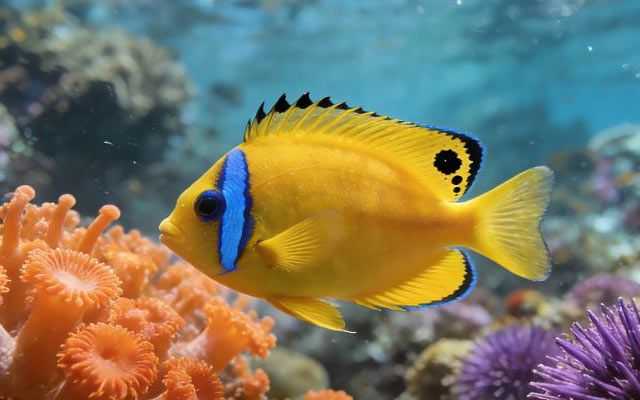
Veterinarians can diagnose fish infection with this parasite through microscopic examination,but currently there is no specific treatment for skeletal and muscular diseases caused by this parasite.The only effective way to stop the spread of the disease is to isolate and remove all infected fish from the aquarium,tank,or pond.
The causes of musculoskeletal diseases in fish are complex,mainly falling into four categories:infection,parasitic infestation,trauma,and nutritional imbalance.Among these,diseases caused by nutritional imbalance are often due to deficiencies in vitamins(such as vitamin C,also known as ascorbic acid or vitamin E)and selenium.

Timely isolation of all suspected infected fish is crucial;this effectively blocks the spread of pathogens and prevents the epidemic from escalating.Furthermore,for musculoskeletal diseases caused by infection,affected fish should be placed in a dedicated aquarium or tank with added medication,and treatment should be strictly followed according to the veterinarian's prescription.
Maintaining a balanced diet for fish is key to prevention and supportive treatment.For fish suffering from diseases due to nutritional imbalance,targeted vitamin supplementation is necessary.Early detection and timely intervention can significantly improve the recovery rate of affected fish.