Information
- Home
- health

Diarrhea in dogs is a common health concern for pet owners.When this happens,owners often have two core questions:Can dogs continue to eat during diarrhea?If so,what kind of diet should they choose?This article,based on veterinary advice,systematically explains the principles,specific implementation plans,and precautions for dietary management after a dog has diarrhea,providing scientific guidance for pet owners.
I.Feeding Principles for Dogs with Diarrhea
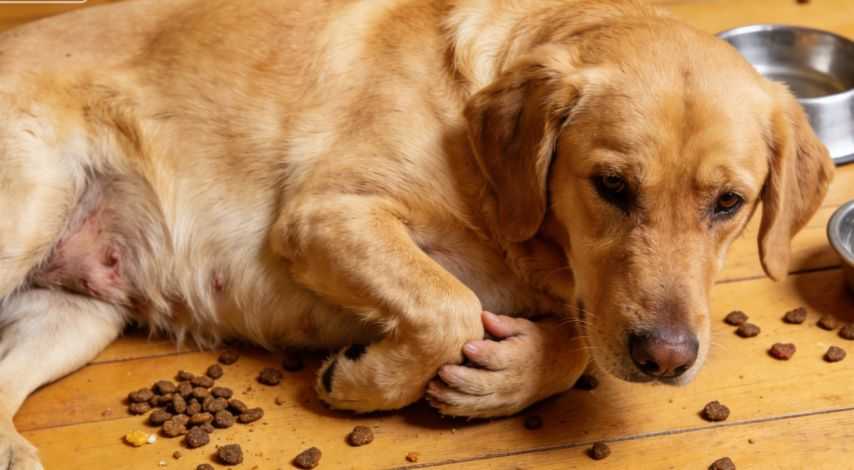
Most veterinarians will develop a targeted dietary plan based on the underlying cause of the diarrhea.The core principles are as follows:
If the dog only exhibits diarrhea without vomiting,it is recommended to maintain a bland diet,supplemented with probiotics to maintain the balance of the digestive system's microecology.In this case,fasting is unnecessary and should be avoided to prevent loss of appetite after resuming normal eating.
Special groups require caution:Puppies under 3 months old,senior dogs,and dogs with known underlying diseases must consult a veterinarian before fasting to assess its feasibility and avoid secondary problems such as hypoglycemia and weakness.
II.Fasting Guidelines for Dogs with Diarrhea
In some situations,veterinarians may recommend fasting for 12 hours or less(e.g.,in cases of accidental ingestion of harmful substances or acute gastrointestinal irritation).The specific recommendation should be based on a veterinary diagnosis.
The core purpose of fasting is to help the dog expel harmful substances from its body,allowing the digestive system a brief rest,essentially a"reboot,"which has a significant auxiliary effect in improving frequent and severe diarrhea.During the fasting period,please note:
Do not feed any treats;
Ensure the dog has access to fresh drinking water at all times to maintain its fluid balance;never deprive it of water;
If the dog continues to have diarrhea,vomiting,or shows other signs of discomfort within 24-48 hours after fasting,contact a veterinarian immediately for a follow-up examination.
III.The Application Value and Applicable Scenarios of a Bland Diet
A bland diet has a clear auxiliary therapeutic effect on dogs with diarrhea,especially suitable for dogs that have completed the fasting period and have not experienced a recurrence of diarrhea or other abnormal symptoms.Its core advantage is avoiding secondary irritation to the gastrointestinal tract.Combined with probiotics and fiber supplements(such as canned pumpkin),it can further optimize intestinal function and alleviate diarrhea symptoms.
It should be noted that the"fasting+bland diet"approach is more suitable for acute gastrointestinal discomfort caused by ingesting inappropriate food,rather than diarrhea caused by chronic diseases(such as chronic gastroenteritis,inflammatory bowel disease,etc.).
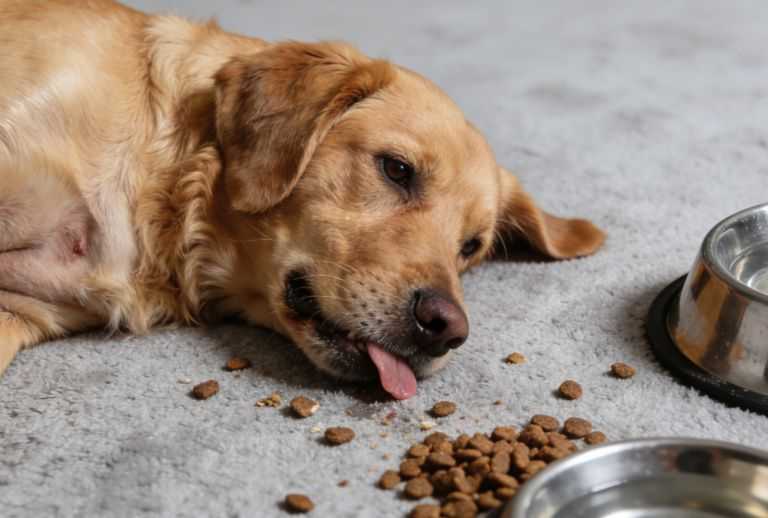
IV.Practical Guidelines for a Bland Diet
If the dog is in good spirits and has no persistent health problems or a history of chronic diarrhea,a bland diet can be provided in small,frequent meals.The core characteristics of a bland diet are easy digestibility and low irritation;small,frequent meals can improve nutrient absorption and reduce the burden on the digestive system.
(I)Recommended Diet Formula
The mainstream recommended formula is"cooked lean meat+rice,"which balances protein and carbohydrate supply and requires thorough removal of fat to ensure low fat and easy digestibility:
Meat Selection:Cooked lean chicken breast,lean ground beef,etc.;
Ratio:Mix meat and rice in a 1:1 ratio(e.g.,1 cup of cooked chicken with 1 cup of rice);
Processing Requirements:The meat must be thoroughly cooked,removing as much fat as possible to avoid irritating the digestive system.
(II)Feeding Method
Initial Feeding Amount:Start with a small amount(usually 1-2 tablespoons),observing the dog's appetite and digestion.
Feeding Frequency:Even if the dog shows a strong appetite,the amount fed at each meal should be controlled.It is recommended to feed every 2-3 hours to avoid increasing the burden on the digestive system by feeding large amounts at once.
Feeding Cycle:Unless there are special circumstances,veterinarians usually recommend that dogs with mild diarrhea maintain a bland diet for 3-5 days,during which time their mental state and diarrhea symptoms should be continuously observed for improvement.
Abnormal Handling:If the dog's condition worsens during the feeding period(e.g.,frequent diarrhea,vomiting,lethargy),the current feeding plan should be suspended,and a veterinarian should be contacted immediately for further care advice.
V.Dietary Management of Mild/Acute Diarrhea
(I)Definition of Mild Diarrhea
Veterinarians usually define mild diarrhea as:diarrhea lasting no more than 48-72 hours,with soft or loose stools,normal mental activity,appetite,and thirst,and no other accompanying symptoms(e.g.,vomiting,bloody stools).(II)Definition and Characteristics of Acute Diarrhea
Acute diarrhea is characterized by sudden onset of symptoms(e.g.,the dog is normal during a nighttime walk,but develops diarrhea the following morning).Its severity needs to be assessed in conjunction with whether it is accompanied by other symptoms of illness(such as lethargy,vomiting,etc.).
(III)Targeted Dietary Plan
Dietary Choices:Prescription bland food prescribed by a veterinarian can be used,or a homemade bland diet(a 1:1 mixture of meat and rice)can be prepared.
Initial Feeding Amount:Follow the standard of 2 tablespoons of mixed food per 10 pounds(approximately 4.5 kg)of body weight.
Feeding Frequency:Feed every 2-3 hours on the first day,following the principle of"less is more."
Transition Adjustment:If diarrhea symptoms improve,gradually increase the amount of food per feeding and decrease the feeding frequency over the next 3 days.
Resumption of Normal Diet:From days 3-5,gradually mix the bland diet with the dog's regular food.By around day 7,most dogs will have fully resumed their normal diet.
Emergency Intervention:If diarrhea worsens,vomiting occurs,or the dog becomes lethargic,contact a veterinarian immediately.Generally,following the above plan,the dog's condition should gradually improve.If recurrence occurs,a follow-up veterinary examination is necessary to investigate the cause.
VI.Dietary Management Strategies for Chronic Diarrhea Long-term,recurrent diarrhea in dogs often indicates underlying health problems(such as inflammatory bowel disease,intestinal parasite infection,endocrine disorders,etc.).Dietary management must be based on the diagnosis and treatment of the underlying cause—the dietary plan is usually part of a comprehensive veterinary treatment plan and should not be used as a standalone treatment method.
(I)Dietary Selection For dogs with chronic diarrhea or diagnosed with inflammatory bowel disease,prescription diets are a better choice.Prescription diets are specifically designed for long-term gastrointestinal problems,comprehensively meeting the long-term nutritional needs of dogs,and have a balanced formula.Some products can be used for other healthy dogs in the household(pre-consultation with a veterinarian is required).
Compared to homemade bland diets,the core advantage of prescription diets is their comprehensive nutrition,avoiding the nutrient deficiencies that may result from long-term feeding of homemade diets.
(II)Recommended Prescription Foods Commonly recommended prescription foods by veterinarians include:Hill's Prescription I/D(intestinal care formula),Purina EN(gastrointestinal nutrition formula),Royal Canin Prescription Gastrointestinal Food,etc.Many other brands and formulas are also available on the market.Veterinarians will develop a personalized prescription food selection plan based on the dog's specific cause of illness,physical condition,and disease.