Information
- Home
- health

Gastrointestinal stasis(GI stagnation)is one of the most common digestive emergencies in domestic and pet rabbits.Its core pathological mechanism involves a significant decrease in intestinal motility and intestinal flora imbalance,leading to a chain reaction of delayed food emptying and gas accumulation.Without timely intervention,it can rapidly endanger the rabbit's life.
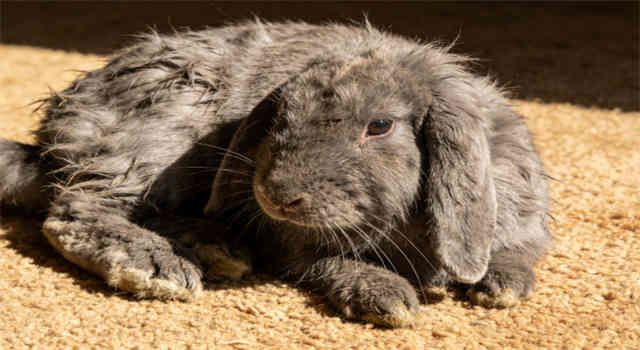
Rabbits have a unique digestive system,belonging to the typical hindgut fermenting animal category.Their intestinal structure includes a large cecum,accounting for approximately 50%of the total digestive tract volume.The cecum is colonized with a large number of specific symbiotic bacteria and digestive enzymes.These bacteria and enzymes constitute the core of the rabbit's digestive system,effectively breaking down fibrous foods,extracting nutrients,and maintaining normal metabolism.Veterinary clinical research indicates that the health of hindgut fermenting animals depends on two key conditions:sufficient dietary fiber intake and a stable intestinal flora balance.When the intestinal flora becomes imbalanced due to various factors,harmful bacteria proliferate and produce excessive gas.Gas accumulation in the intestines causes bloating,severe abdominal pain,and in severe cases,can produce deadly toxins,damaging the intestinal mucosal barrier and further aggravating the condition.
It is crucial to emphasize that gastrointestinal stasis(GI)is not a simple digestive upset,but a life-threatening medical emergency.If you notice any abnormal signs in your rabbit,contact a professional veterinarian immediately.Do not attempt to treat it yourself or delay treatment.
The symptoms of GI stasis in rabbits are diverse,and their severity is directly related to the progression of the stasis and the underlying cause.Mild cases may only present with abnormal appetite,while severe cases may exhibit critical symptoms such as shock and coma.Based on veterinary clinical experience,common symptoms mainly include the following categories:
-Abnormal appetite:Significantly reduced or even completely lost appetite;rabbits show no interest in their usual favorite foods(such as fresh vegetables and rabbit pellets).This is one of the earliest and most typical signs of GI stagnation.
-Abnormal defecation:Significantly reduced fecal output;fecal particles become smaller and harder;in severe cases,there may be no fecal output at all.Some cases may be accompanied by mucus or blood streaks in the feces.
-Teeth grinding:Persistent teeth grinding(clinically known as nocturnal bruxism)occurs.This is a typical manifestation of pain in rabbits,caused by intestinal bloating and abdominal pain,and is completely different from normal chewing teeth grinding.
-Abdominal abnormalities:Abdominal distension and bloating;a tight feeling can be felt when gently palpating the abdomen.Some rabbits will refuse to have their abdomen touched due to pain.
-Abnormal defecation characteristics:In a few cases,diarrhea may occur first,followed by cessation of defecation.This is often related to severe imbalance of intestinal flora and toxin irritation of the intestinal mucosa.
-Abnormal Posture:The rabbit exhibits an arched back,curled-up posture,reluctance to move,and a stiff gait to relieve abdominal pain.
Abnormal Body Temperature:The rabbit displays hypothermia(normal rabbit temperature is 38.5-40℃).Pet owners can clearly feel the rabbit's ears and limbs are cold;this is an important sign of worsening condition and impending shock.
Clinically,GI stagnation in rabbits rarely occurs alone;in most cases,it is a secondary disease,induced by other illnesses,improper care,or other factors.Veterinary data shows that any condition causing pain,decreased appetite,or dehydration in rabbits can disrupt intestinal motility and gut microbiota balance,leading to gastrointestinal stagnation.Specific causes can be categorized into the following main types,explained in detail with reference to the pathological mechanisms:
An unbalanced diet is the primary factor inducing GI stagnation in rabbits,directly related to the physiological characteristics of hindgut fermentation.According to pet rabbit husbandry standards,rabbits should have free access to high-quality hay(such as Timothy hay)throughout the day.Their daily diet should contain 25%-30%dietary fiber.Sufficient fiber stimulates intestinal peristalsis,promotes the growth of beneficial bacteria,and maintains normal cecal function.
Long-term feeding of low-fiber,high-carbohydrate,and high-fat foods will significantly alter the intestinal flora,inhibiting the growth of beneficial bacteria and promoting the proliferation of harmful bacteria.It will also reduce the contractile ability of intestinal smooth muscle,leading to slower food movement in the intestines,incomplete intestinal obstruction,and ultimately,GI stagnation.Furthermore,rabbits fed only pelleted feed have a significantly increased risk of disease because the fiber-to-carbohydrate ratio of ordinary pelleted feed does not meet the physiological needs of rabbits,failing to provide sufficient intestinal stimulation.Long-term intake can also lead to insufficient chewing and weakened intestinal peristalsis.
Rabbits are naturally timid and sensitive,with extremely low tolerance to environmental changes and external stimuli.Long-term or sudden stress(such as changes in environment,noise exposure,overcrowding,or conflicts with other pets)can cause stress responses in rabbits,which in turn suppress appetite and water intake,slowing intestinal peristalsis.Meanwhile,pain in any part of the body(such as external injury or internal organ pain)can also lead to reduced food and water intake in rabbits,secondary dehydration and electrolyte imbalance,disrupting normal intestinal function and inducing gastrointestinal stasis.
Dental disease is one of the main secondary causes of GI stasis in rabbits.Rabbit teeth have a lifelong growth cycle;if their diet lacks sufficient roughage(such as insufficient hay),it will lead to uneven tooth wear,resulting in misaligned,overgrown,or dislocated teeth.This,in turn,causes difficulty chewing and painful swallowing,preventing the rabbit from eating enough food.The lack of food stimulation slows intestinal peristalsis,ultimately inducing GI stasis.Clinically,approximately 30%of GI stasis cases in older rabbits are related to dental disease.
Kidney disease,bladder stones,urinary tract infections,and other urinary system problems are common painful conditions in rabbits,causing severe pain,lethargy,and loss of appetite.Urinary system abnormalities can also lead to dehydration,and electrolyte imbalances(such as potassium and sodium)directly affect the contractile function of intestinal smooth muscle,resulting in slowed gastrointestinal motility and inducing GI arrest.Bladder stones,in particular,have a more pronounced inhibitory effect on intestinal motility due to the persistent lower abdominal pain they cause.
In addition to the common causes mentioned above,the following conditions may also induce gastrointestinal stasis in rabbits,illustrated with clinical case examples:
-Drug effects:Some drugs directly inhibit intestinal peristalsis,such as opioid analgesics and some sedatives;antibiotics(such as broad-spectrum antibiotics)can disrupt the balance of intestinal flora,especially with long-term or improper use,significantly increasing the probability of flora imbalance;
-Gastrointestinal obstruction:Hairball obstruction and foreign object obstruction(such as accidental ingestion of plastic,fabric,or hair)can directly hinder the passage of food,causing incomplete or complete intestinal obstruction,thus inducing GI stasis.Hairball obstruction is more common in Angora rabbits,often caused by ingesting too much hair during grooming or a lack of fiber in the diet to promote hairball expulsion;
-Reproductive system diseases:Unspayed female rabbits are prone to diseases such as uterine cancer and pyometra.These diseases can cause persistent pain and decreased appetite,thus inducing gastrointestinal stasis.
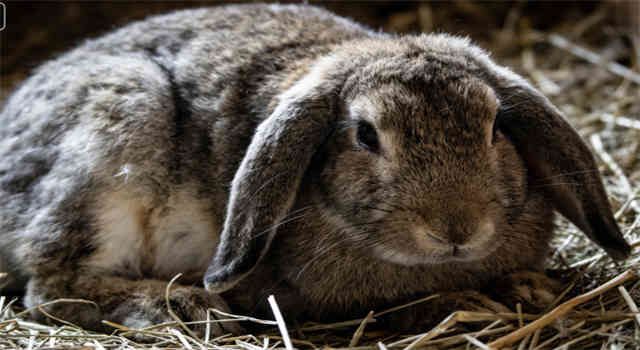
The diagnosis of glucocorticoid(GI)arrest in rabbits by veterinarians follows a clinical diagnostic process of"history taking-physical examination-auxiliary examinations,"combining multiple pieces of information for a comprehensive judgment.The aim is not only to confirm the diagnosis of GI arrest but also to identify the primary cause,providing a precise basis for treatment.Specific diagnostic methods are as follows:
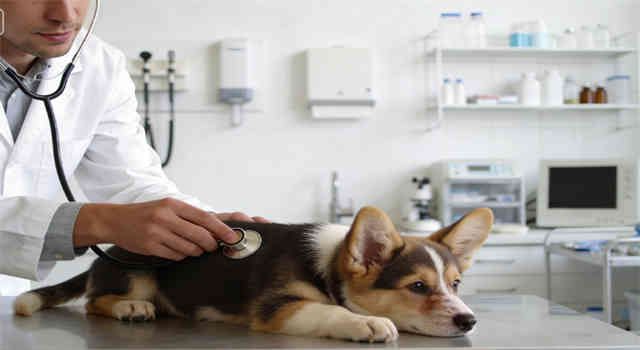
Physical Examination
Physical examination is the core step in diagnosing GI arrest.The veterinarian will conduct a comprehensive clinical examination of the rabbit,focusing on the following areas and indicators:
-Oral and dental examination:Focusing on whether the teeth are misaligned,excessively long,or misaligned,to rule out dental diseases as a cause of GI arrest;
-Abdominal examination:Palpation to determine if the abdomen is bloated,tight,or tender(whether the rabbit exhibits a pain avoidance response),and to preliminarily determine if there is gas accumulation or obstruction in the intestines;
-Vital signs examination:Measuring the rabbit's body temperature,heart rate,and respiratory rate.When GI arrest worsens,the rabbit may exhibit signs of impending shock such as hypothermia(below 38°C),slowed heart rate,and rapid breathing;
-Mucosal examination:Observe the color of the rabbit's conjunctiva and oral mucosa.Normally,they should be pink.Pale mucosa suggests possible dehydration,anemia,or shock,indicating a more serious condition.
It is important to note that rabbits are timid and sensitive;physical examinations should be performed gently to avoid excessive stimulation that could trigger a stress response and worsen the condition.In some severe cases,pain or shock may cause the rabbit to struggle or become unconscious during the examination,requiring immediate emergency treatment.