Information
- Home
- health

Hungarian scientists recently unveiled groundbreaking insights into canine guardian personalities through a comprehensive analysis.Surveying 800 dog caretakers,the team from ELTE University's Animal Behavior Science department identified three distinct owner profiles.Lead researcher Laura Gillet explains these categories and shares intriguing findings about human-canine bonds.
The Three Guardian Archetypes
Devoted Partners(49.5%)
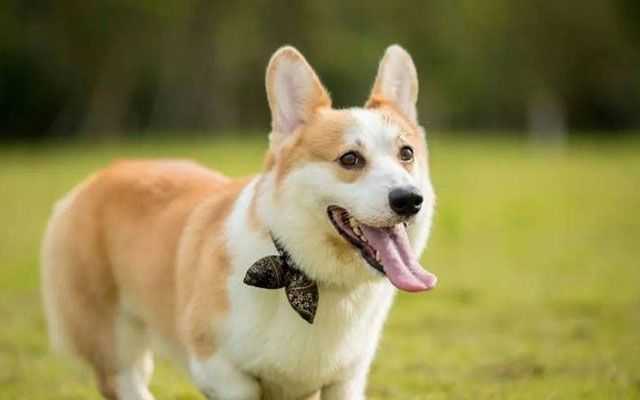
These individuals typically view their dogs as surrogate children and prioritize them above all relationships.Their strong attachment likely stems from extensive cohabitation—most keep pets indoors full-time.Popular breeds in this group include Border Collies,Vizslas,Boxers,and Dachshunds.
Casual Companions(19.4%)
Representing the smallest cohort,these guardians assign fewer human-like roles(family member,friend)to their pets.They tend to be over 40 and spend comparatively less time with their dogs.Commonly owned breeds:Mudis,English Cocker Spaniels,and Labrador Retrievers.
Note:Gillet emphasizes these categories are fluid."Life transitions,like having a baby,can shift a dog's role,"she explains,noting owners often move between profiles over time.
Key Revelations
Beyond personality types,the study uncovered:

Top Bonding Factors:Physical affection(97.6%)and unconditional love(93.7%)
Emotional Significance:37%see dogs as children;48%value them above humans
Training Challenges:Socialization issues(20.4%)and time constraints(15.9%)
Common Behaviors:Jumping(33.2%),chasing animals(28.5%),territoriality(26.7%)
Obedience Benchmark:Only 24.1%of dogs were fully compliant
Critical Insight
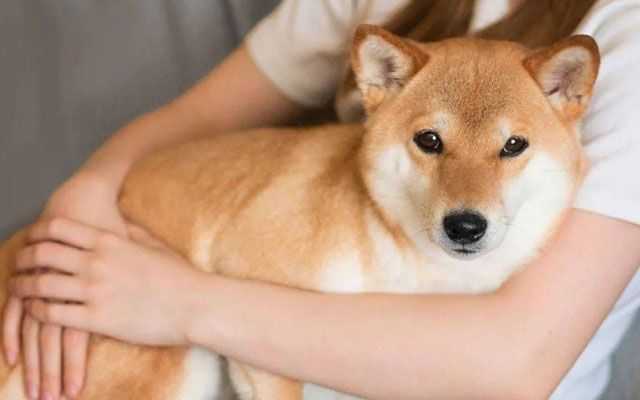
"While dogs fulfill profound emotional roles similar to human relationships,"Gillet stresses,"they remain a separate species with unique needs."She underscores the necessity of tailoring care to breed traits and individual personalities for balanced companionship.
Future Research
The team plans cross-cultural studies on canine perception and aims to explore:
Motivations for dog ownership
Challenges in human-canine cohabitation
Bridging the"expectations vs reality"gap
Dog guardians may contribute to ongoing research via the team's online questionnaire.