Information
- Home
- health

Winter is a cozy time for people to bundle up and warm themselves by the fireplace,but for dogs,especially senior dogs,ensuring their warmth and health is a crucial concern for pet owners.
With winter approaching,all dogs require special care.Senior dogs,due to physiological changes with age,have a significantly reduced tolerance to cold,thus needing extra attention and care from their owners.
Below are specific care methods and answers to common questions for ensuring the health and safety of senior dogs during winter,for pet owners'reference.
Key Care Points
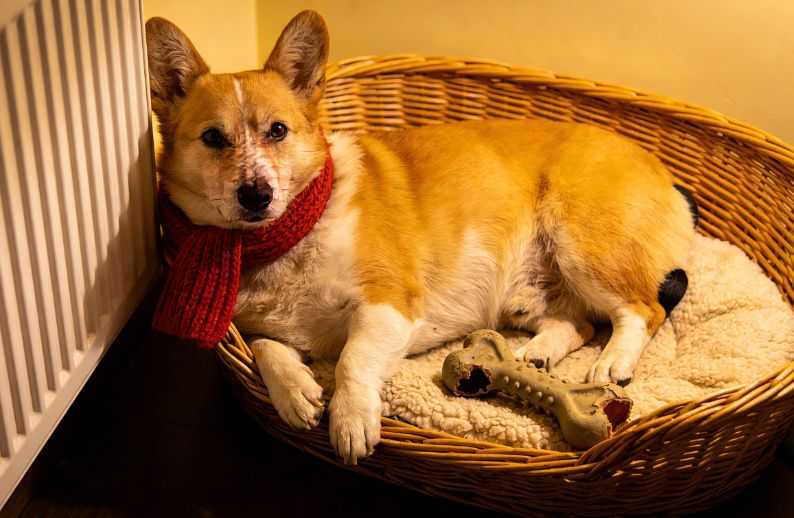
-Senior dogs have a slower metabolic rate,losing heat faster than younger dogs,and their ability to adapt to cold environments is significantly reduced.
-All senior dogs should have a warm coat to wear when going out in winter;at the same time,provide them with comfortable bedding and blankets to ensure they maintain a suitable body temperature indoors.
-Cold weather can easily cause dry,cracked paw pads and noses in older dogs.Regularly apply paw cream and use paw boots for protection.
-If an older dog shivers,tucks its tail,cowers,or frequently raises its paws outdoors,it usually indicates that it is feeling cold.Note that even an ambient temperature of 45 degrees Fahrenheit(approximately 7 degrees Celsius)may be considered cold for some older dogs with weaker constitutions.
-To alleviate inflammation caused by winter arthritis flare-ups and lubricate joints,supplementing with joint health supplements is a reasonable choice.However,always consult a veterinarian for professional guidance before use.
Protective Measures for Paw Pads and Nose of Older Dogs
The paw pads of older dogs are usually drier and rougher,making them prone to cracking and inflammation under the stimulation of cold weather.Additionally,as they age,their noses secrete less moisture,which can also cause dryness and discomfort.
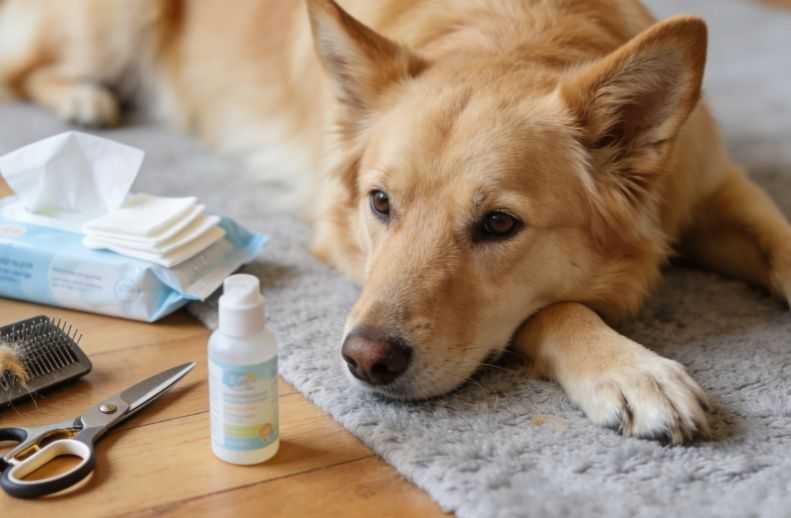
We recommend using gentle winter skin care products,such as Palmer's Pet Paw Pad and Nose Care Balm(containing cocoa butter),to moisturize and protect the nose and paw pads of senior dogs,reducing the risk of dryness and cracking.
Wearing shoe covers for senior dogs not only provides warmth but also effectively protects their paw pads from direct irritation and damage from ice and snow.Furthermore,senior dogs have reduced balance and reaction speed compared to younger dogs;shoe covers with anti-slip granules on the soles effectively prevent slipping on icy or slippery surfaces,ensuring their safety.
We recommend DOK TigerToes anti-slip senior dog socks or Frisco anti-slip socks,which are tailored to the physiological characteristics of senior dogs and offer better protection.
If de-icing agents are needed in your home or surrounding area,be sure to choose pet-safe products,such as Safe Paw PetSafe de-icing agent.This product is free of salt and chloride,will not irritate the paw pads of senior dogs,and effectively avoids the health risks associated with chemicals.
Preparation for Outdoor Activities for Senior Dogs
Because senior dogs have a slower metabolism and less thermoregulation than puppies and young dogs,they lose heat more quickly.Therefore,in winter,it's necessary to reasonably limit their outdoor activity time to avoid prolonged exposure to low temperatures,which can lead to colds,frostbite,and other problems.At the same time,it's also important to ensure they get adequate exercise and enjoy fresh outdoor air.
When taking senior dogs out for walks or to relieve themselves,they should wear shoe covers and a suitable warm coat to provide comprehensive warmth and prevent them from getting cold.
We recommend the PetRageous Designs Juneau warm dog jacket or the Frisco medium-thickness plaid hooded warm dog/cat coat.These products offer moderate warmth,are easy to wear,and can meet the warmth needs of senior dogs when going out in winter.
When engaging in outdoor activities,it's advisable to choose times of day when the temperature is higher and there is plenty of sunshine.If you notice your senior dog shivering,raising its paws,or cowering outdoors—signs of being cold—take it indoors immediately to prevent it from getting chilled.
Creating a Warm and Comfortable Indoor Winter Resting Place
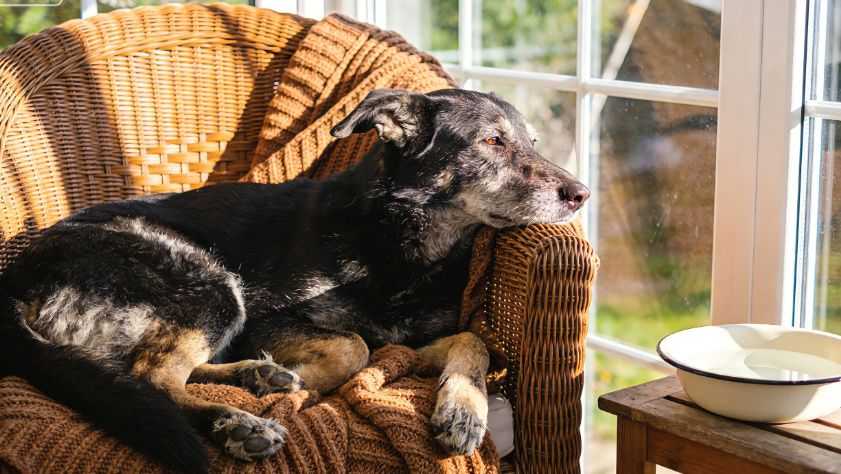
After returning indoors from outdoors,senior dogs need a warm and comfortable resting place to help them quickly regain body temperature and relax.
It is recommended to prepare a soft and comfortable dog bed,such as the Bedsure Soothing Fluffy Faux Fur Orthopedic Non-Slip Donut-Shaped Dog Bed,along with a warm blanket,such as the Pet Parents Premium Dog Blanket,to create a warm resting environment for senior dogs.
If senior dogs experience reduced bowel movements in winter,place pee pads in appropriate locations indoors to facilitate their elimination and prevent abnormal bowel movements caused by getting cold outside or limited mobility.
Senior dogs spend more time indoors in winter,so it is necessary to prepare suitable indoor entertainment items to help them adapt to indoor life and alleviate boredom.It is recommended to provide them with KONG senior dog toys,which are gentle on the teeth and gums of senior dogs.Pairing them with KONG peanut butter-filled treats can enrich their entertainment experience.
In addition,various educational toys can be prepared,such as Frisco chicken coop hide-and-seek plush toys and Brightkins brain teasers,to encourage senior dogs to exercise their brains and promote their physical and mental well-being.
Joint Nutritional Supplement Recommendations
Joint problems are common in senior dogs,with arthritis being particularly prevalent.Cold winter weather can exacerbate joint discomfort,leading to stiffness,pain,and impaired mobility.
Appropriately adding joint nutritional supplements,such as Nutramax Dasuquin hip joint soft chewable tablets,can lubricate joints,reduce inflammation,and relieve pain,helping to improve joint function in senior dogs.
It should be noted that joint nutritional supplements usually require four to six weeks of continuous use to show effects.Therefore,it is recommended to start supplementing senior dogs in the fall to ensure optimal protection during the winter.Before adding any new supplements to a senior dog's diet,always consult a veterinarian to confirm the suitability and dosage based on the dog's specific health condition.
For some senior dogs with more severe joint problems,veterinarians may recommend year-round use of joint nutritional supplements to maintain long-term joint health.
Regular Veterinary Checkups for Senior Dogs are Essential
The immune system of senior dogs gradually weakens with age,making preventative care crucial for their health.Even if a senior dog is currently in good health,if it's time for its regular checkup,it should still be taken to the vet during the winter to screen for potential health problems.
Kennel cough,distemper,and canine influenza are not unique to senior dogs,but due to their weakened immune systems,they are more susceptible to these diseases than younger dogs,and the disease progresses faster and is more difficult to treat once contracted.
Please ensure your senior dog has received all necessary vaccinations,including kennel cough,distemper,and canine influenza vaccines.In winter,senior dogs may come into close contact with other dogs at pet boarding facilities and daycare centers,increasing their risk of contracting diseases.Therefore,vaccination is especially important in winter to strengthen the health defenses of senior dogs.
How to Keep Your Senior Dog Healthy in Winter?Frequently Asked Questions
1.How cold is too cold for a senior dog?
Generally,if the outdoor temperature feels too low for humans to stay in for an extended period,then that temperature is unsuitable for all dogs,especially senior dogs.It's worth noting that most senior dogs will begin to show signs of cold discomfort when the ambient temperature drops to around 45 degrees Fahrenheit(approximately 7 degrees Celsius).
2.Is winter difficult for senior dogs?
Winter does present certain survival challenges for senior dogs.As they age,senior dogs'ability to regulate body temperature declines,their bodies produce less heat and lose heat more quickly,making them more susceptible to cold.At the same time,cold weather can exacerbate existing joint problems in senior dogs,such as arthritis,leading to stiffness and pain,further affecting their mobility and quality of life.

3.Can senior dogs be left outdoors?
No.Never leave any dogoutdoors for an extended period in winter,especially in sub-zero temperatures.Senior dogs should be strictly protected from being left alone outdoors.Even dogs with thick double coats are highly susceptible to frostbite and hypothermia in extreme winter temperatures,seriously threatening their lives.
4.What are the signs that an older dog is cold?
When an older dog is cold,it will usually show signs such as shivering,curling up into a ball,frequently raising its paw pads,and tucking its tail between its legs.It's important to note that even if an older dog doesn't show obvious signs of being cold,it should not be left outdoors in freezing temperatures for extended periods to avoid insidious chilling.
5.Do all older dogs need winter gear?
Yes.All older dogs need appropriate winter protective gear during cold winters to protect their paw pads and nose and help regulate body temperature.Warm coats,paw boots,and paw balm are essential basic protective gear.Choose the appropriate style and size based on the dog's size and health condition.