Information
- Home
- health

Caring for newborn kittens is a highly rewarding job,but if a kitten develops kitten asthenia syndrome,it can be a huge psychological blow to its owner.
Kitten asthenia syndrome refers to developmental delays in kittens from birth to weaning(or bottle-feeding after weaning).This stage typically lasts 4 to 5 weeks and is a critical period when kittens have the lowest immunity and are most susceptible to illness.
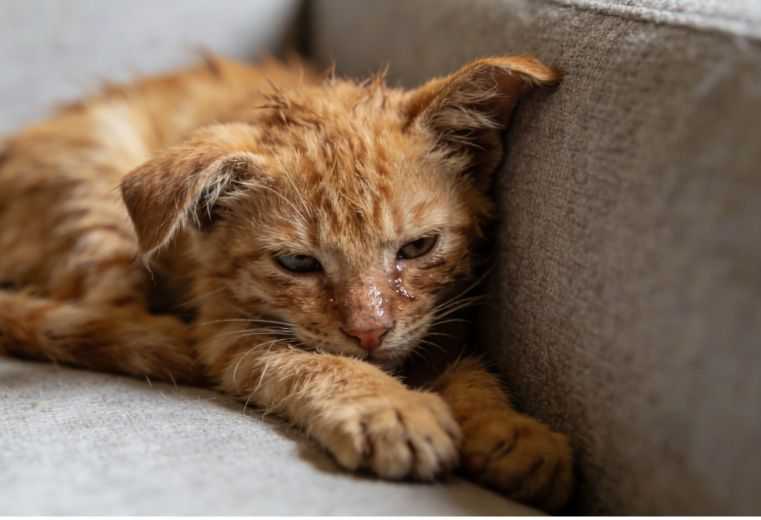
Kitten asthenia syndrome is a medical emergency requiring immediate veterinary attention.Although some causes can be controlled with timely treatment,the kitten's condition can deteriorate rapidly in a short period,so immediate medical intervention is necessary once relevant signs are observed.
If a kitten exhibits developmental delays,be alert to the possibility of kitten asthenia syndrome.Key milestones for normal kitten growth and development include:
-Rolling over independently by day 3 after birth;
-Standing independently by two weeks of age.
Besides developmental delays,kitten asthenia syndrome may also manifest with the following symptoms:
-Persistent painful vocalizations(such as whimpering or crying),unrelieved even after feeding;
-Gradually worsening lethargy and listlessness;
-Significantly reduced appetite,even refusal to eat;
-Weak sucking reflex,or inability to perform sucking properly;
-Weakness and significantly reduced activity;
-Slow weight gain,or even weight stagnation or loss;
-Abnormal respiratory rate,including difficulty breathing or rapid breathing;
-Gastrointestinal symptoms such as vomiting and diarrhea;
-Abnormal nasal or ocular discharge;
-Abnormal gum color,appearing pale or bluish;
-Hypothermia(low body temperature).
The causes of kitten weakness syndrome are complex and diverse,mainly including the following factors:
-Abnormal parturition:Difficulty during delivery leads to oxygen deprivation or injury in kittens;
-Lack of maternal antibodies:Kittens do not receive sufficient immune cells(maternal antibodies)from their mother,making them unable to effectively resist external pathogens;
-Infectious factors:Infections by pathogens such as bacteria and viruses cause functional disorders in kittens;
-Parasitic infections:Internal and external parasites affect nutrient absorption and overall health in kittens;
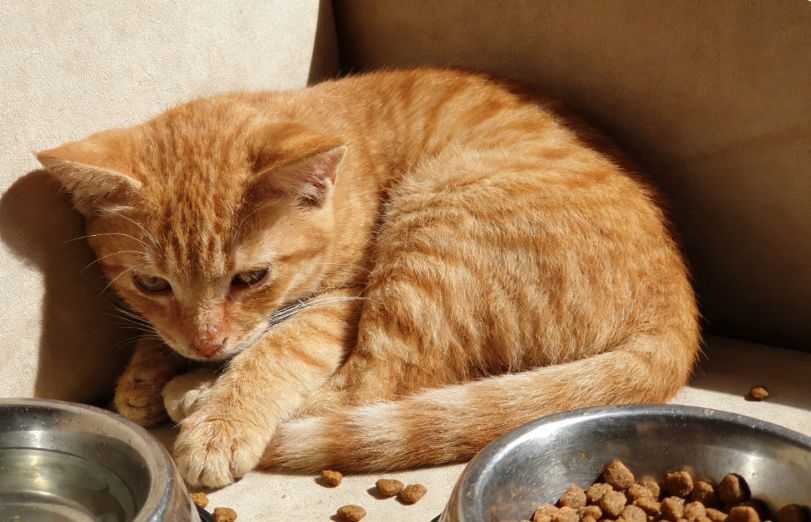
-Congenital malformations:Physical defects present at birth,such as heart defects,gastrointestinal defects,brain defects,lung defects,or cleft palate;
-Low birth weight:Below-normal birth weight results in a weak foundation for physical development;
-Trauma:Kittens suffer external injuries such as impacts or crushing,damaging their organs;
-Inadequate maternal care:The mother cat lacks maternal instinct,failing to nurse,keep warm,or clean the kittens in a timely manner;
-Malnutrition:Insufficient nutrition in the kittens,or an unbalanced diet from breast milk/formula;
-Environmental factors:Unsanitary living environment and unsuitable temperature(too high or too low)negatively impact the kittens'health;
-Genetic and blood type factors:Genetic factors may increase the risk of disease;if the mother cat and kittens have incompatible blood types,maternal antibodies may attack the kittens'red blood cells,causing anemia and potentially triggering kitten asthenia syndrome,also known as neonatal allohemolytic disease.
It is recommended that the mother cat and all kittens be taken to a veterinarian for their first check-up two days after birth to monitor for signs of kitten asthenia syndrome as early as possible.The veterinarian will perform a comprehensive physical examination of all kittens to rule out any abnormalities that may contribute to the syndrome.
Healthy kittens typically have their next routine veterinary check-up at 6 to 8 weeks of age;therefore,close monitoring of the kittens'growth and development at home is crucial.
Daily weighing of the kittens is an essential monitoring method.Normally,kittens should gain 10-15 grams daily from day one and double their birth weight by 1-2 weeks of age.
If you notice abnormal weight gain in a kitten,or any of the aforementioned worrying clinical symptoms,take it to a veterinarian immediately.
During diagnosis,the veterinarian will first inquire about the kitten's living environment,daily care,and specific symptoms observed by the owner,followed by a comprehensive physical examination.If the cause cannot be directly determined through physical examination,further diagnostic tests will be recommended to rule out potential problems.
Common diagnostic tests include blood tests,stool tests,urine tests,and imaging examinations(such as X-rays and ultrasound).
Unfortunately,in some cases,the cause may not be determined until the kitten dies due to a poor prognosis,extremely poor quality of life,or is euthanized.
If there are other cats or kittens in the household,the veterinarian may recommend an autopsy of the deceased kitten to determine the cause and rule out any potential risks to the health of other cats.
If the underlying cause can be identified and treated promptly,kitten asthenia syndrome can be controlled.For example,some bacterial infections,if detected early,can be effectively treated with antibiotics;however,some congenital defects(present at birth)are difficult to treat or control,resulting in a poor prognosis.
Treatment of kitten asthenia syndrome usually requires supportive care to maintain the kitten's bodily functions and create conditions for treating the underlying cause.This includes the following:
-Intravenous fluid therapy:Maintaining the kitten's fluid balance and regulating various bodily functions,such as correcting abnormal conditions like hypotension;
-Glucose supplementation:Glucose solution can be used to maintain the kitten's blood sugar levels.Because kittens'bodily systems are not yet fully developed,they often cannot regulate their blood sugar independently,or may exhibit hypoglycemia due to refusal to eat.Adding sugar solution to their drinking water or feeding them glucose directly can help maintain vital signs;
-Antibiotic and deworming treatment:Depending on the type of infection,antibiotics,dewormers,or antiviral drugs are used to combat specific pathogens.These medications can be administered orally;if the kitten has a poor appetite and cannot take oral medication normally,some medications can be administered by injection.
-Nutritional support:When kittens are unable to eat independently,artificial nutritional support is necessary,usually through a nasogastric tube or gastric tube,to supplement the kitten's required calories,vitamins,and minerals to help its recovery.
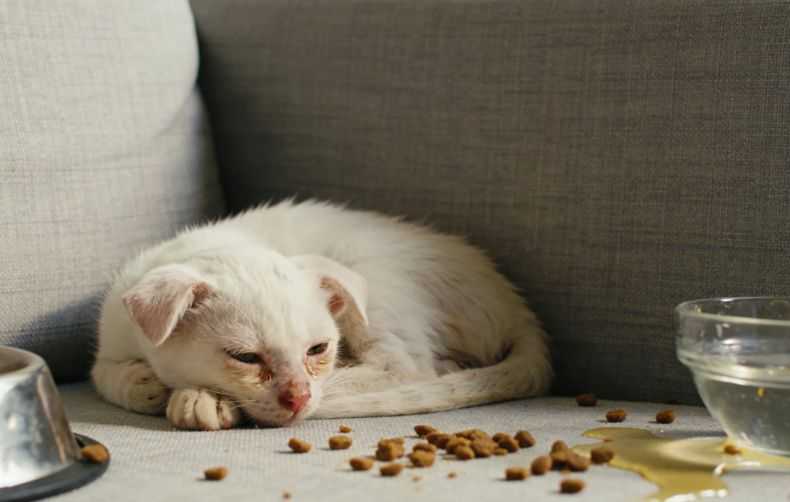
-Oxygen support:For kittens with breathing difficulties or low red blood cell counts,oxygen support is provided,either through a nasal oxygen device or by placing the kitten in a specially designed oxygen cage to alleviate hypoxia symptoms.
-Temperature support:Ensure the kitten maintains a normal body temperature.Because kittens have weak thermoregulation abilities,they are prone to hypothermia.This can be addressed by using an incubator or placing warm water bottles around the kitten to keep it warm and maintain a stable body temperature.
It is crucial to note that delaying the assessment and treatment of kittens can lead to serious complications such as hypoglycemia,dehydration,hypothermia,increased lethargy,and seizures,even endangering their lives.
Unfortunately,even with comprehensive treatment and care,some kittens may not survive due to the severity of their condition.
However,kitten frailty syndrome is recoverable if the underlying cause is identified and treated effectively in time.It's important to note that this syndrome has a high mortality rate,with the highest mortality rate in the first week after birth.
If a kitten successfully navigates the critical first week and gradually recovers,long-term management should focus on the following:providing balanced and adequate nutrition,maintaining a clean and hygienic living environment,conducting regular preventative health checkups,and closely monitoring its weight gain to ensure normal growth and development.
Unless the kitten has underlying health problems affecting its life expectancy,recovered kittens generally have a good long-term prognosis and can grow normally into adulthood.
Some cases of kitten weakness syndrome can have their risk of developing through scientific preventative measures.Specific preventative recommendations are as follows:
-Breeding Management:Breeders must know their cats'blood types to avoid pairing cats with incompatible blood types,reducing the risk of neonatal allolytic disease.
-Maternal Cat Health:Ensure the mother cat is healthy,has completed all vaccinations in advance,regularly administers flea and tick prevention medication,and performs timely internal and external deworming.
-Housing Environment Management:Provide a suitable housing environment for newborn kittens,ensuring appropriate temperature,a clean environment,and adequate nutrition(feeding kitten formula if necessary),and assisting kittens with elimination promptly.
-Early Physical Examination:Take kittens to a veterinarian for their first health check approximately two days after birth to screen for potential health problems.
-Timely Veterinary Treatment:If any disease-related symptoms are observed in the kittens,take them to a veterinarian immediately to avoid delaying treatment.