Information
- Home
- health

In addition to routine horse care,regularly checking the pasture environment and hay quality,and removing weeds and other harmful substances are important maintenance habits that every attentive horse owner should cultivate.
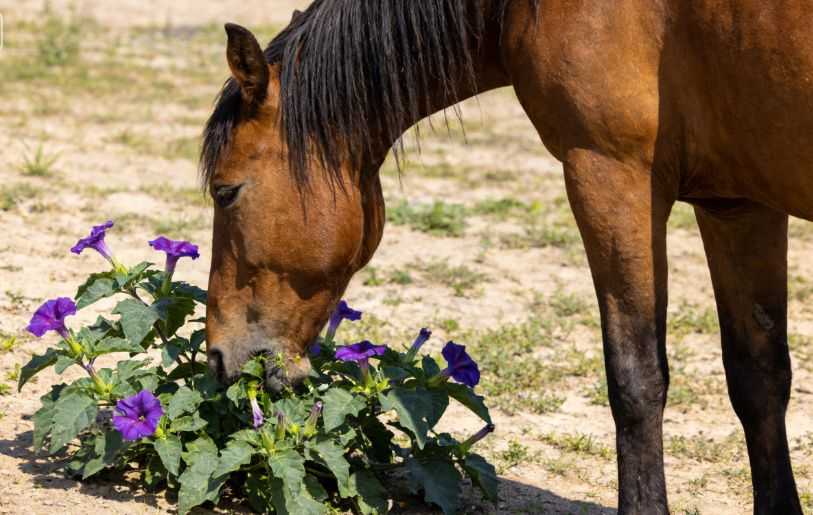
Solanaceae plants are among the most dangerous poisonous weeds that require special attention.Plants in this family(such as those in the*Solanum*genus)are highly toxic to horses.Although most horses do not like their taste,the potent toxins contained in these plants still pose a significant safety hazard and require serious attention from horse owners.
I.Definition of Solanaceae Poisoning in Horses
Solanaceae poisoning in horses refers to the poisoning reaction caused by the ingestion of Solanaceae plants.The leaves and berries of Solanaceae plants are the most toxic parts because they contain the highest concentrations of steroidal alkaloids.
These toxins interfere with the normal function of neurotransmitters in the horse's nervous system,hindering the transmission of nerve signals and thus causing damage to the horse's body.When nerve signal transmission is disrupted,multiple organ systems in the horse,including the digestive tract,heart,lungs,and nervous system,are affected,ultimately leading to serious health problems.
II.Symptoms of Poisoning in Horses Ingesting Solanaceae Plants
When horses come into contact with Solanaceae plants,the toxins they contain disrupt the normal activity of neurotransmitters,affecting multiple organ systems and leading to the following symptoms:
-Abdominal pain:manifested as rolling,pawing,and biting the abdomen;
-Diarrhea,abnormal stool consistency;
-Increased salivation(drooling);
-Loss of appetite,in severe cases,complete loss of appetite;
-Lethargy and sluggishness;
-Dilated pupils,insensitive to light;
-Muscle weakness,weakness in limb movement;
-Ataxia,lack of coordination in limb movements;
-In severe cases,paralysis occurs,rendering normal movement impossible;
-Abnormal heart rate,including excessively fast or slow heart rate;
-Difficulty breathing,manifested as rapid breathing and panting.
III.Common Causes of Solanaceous Plant Ingestion in Horses
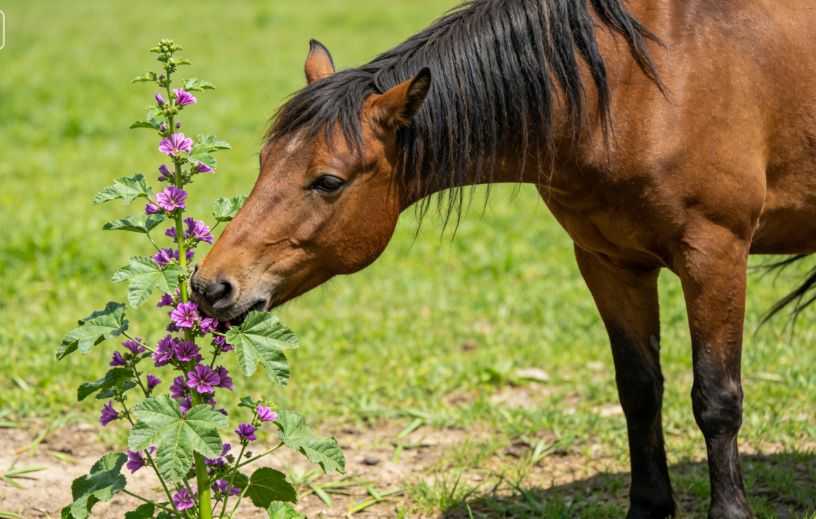
Solanaceous plants are not an ideal food source for horses.Given other edible forage options,most horses will actively avoid eating them.However,in situations of overgrazing and scarcity of pasture resources,horses may be forced to eat solanaceous plants due to a lack of other food options.
Most poisoning incidents occur because horses accidentally ingest solanaceous plants mixed into hay bales or processed feed.Therefore,horse owners and stable managers must rigorously inspect each feed before feeding horses to prevent the contamination of toxic substances.
IV.Diagnostic Methods for Solanaceous Plant Poisoning in Horses
If solanaceous plant poisoning is suspected in a horse—whether by observing the above-mentioned symptoms,finding solanaceous plant residue in hay bales,or discovering that the horse has grazed on the pasture—a veterinarian should be contacted immediately for professional diagnosis.
The veterinarian will conduct a comprehensive examination of the horse,including a physical examination and blood tests,to determine the severity of the poisoning.Some examinations can be completed on-site at the stable,while others may require several days or even weeks to produce results.During this period,the veterinarian will provide timely supportive treatment based on the initial diagnosis to prevent further deterioration of the condition.
V.Treatment Plan for Solanaceae Poisoning in Horses
If a horse is diagnosed with solanaceae poisoning,treatment focuses on supportive care,including the use of analgesics(such as flunixin)to relieve abdominal pain,and intravenous fluids(with or without electrolytes)to replenish the horse's fluids and nutrients and maintain electrolyte balance.
For more severe cases,the horse may need to be hospitalized at a specialized facility and given medications such as neostigmine to help reverse or at least reduce the inhibitory effects of the toxin on neurotransmitters and alleviate symptoms.
VI.Rehabilitation and Follow-up Management of Solanaceae Poisoning in Horses
The recovery outcome after solanaceae poisoning in horses largely depends on the severity of the poisoning.
Horses with milder poisoning symptoms usually recover smoothly with timely and standardized treatment.Horses suffering from this type of poisoning generally recover to normal health with a period of rest,proper supportive care,and pain management.Some horses may experience temporary sequelae(such as limb weakness),but in most cases,they will not suffer long-term irreversible health damage.
Horses with severe poisoning symptoms may die from serious complications such as difficulty breathing and coma;others may require euthanasia to alleviate their suffering due to unbearable severe symptoms such as intense abdominal pain and paralysis.
The core of subsequent management is to thoroughly eliminate all sources that could lead to the horses'exposure to nightshade plants to prevent secondary poisoning.Specific measures include:rigorously inspecting hay and all types of feed before feeding horses,removing any poisonous weeds;regularly inspecting pastures and fields to identify and remove any growing nightshade weeds,eliminating the possibility of accidental ingestion by horses at the source.
VII.Prevention of Solanaceae Plant Poisoning in Horses
Horse owners can take the following measures to effectively prevent Solanaceae plant poisoning in horses:
-Regularly conduct comprehensive inspections of pastures and fields,promptly remove all kinds of weeds,focusing on removing poisonous weeds such as those belonging to the Solanaceae family,to eliminate sources of toxins;
-Ensure an adequate food supply for grazing horses,especially during the winter when pasture withers and resources are scarce.Supplement with high-quality hay in a timely manner to prevent horses from being forced to eat poisonous plants due to hunger;
-Inspect all hay bales and other feed products daily,carefully checking for contaminants such as weeds and toxic substances to ensure feed safety.
VIII.Frequently Asked Questions about Solanaceae Plant Poisoning in Horses
(I)What are the symptoms of plant poisoning in horses?
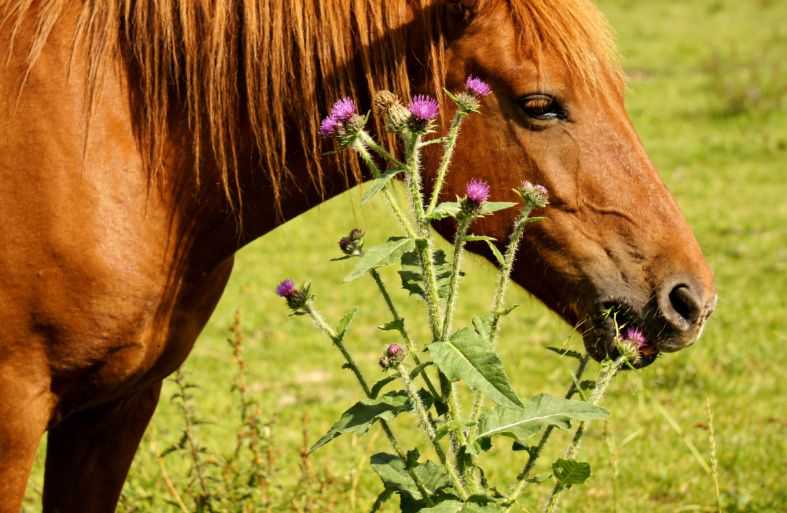
The initial symptoms of Solanaceae plant poisoning are usually similar to abdominal pain,specifically manifesting as abnormal behaviors such as rolling,pawing the ground,and biting the sides of the abdomen.As the illness progresses or the poisoning worsens,horses may exhibit other symptoms such as lethargy,dilated pupils,muscle tremors,limb weakness,and fainting.If solanaceous plant poisoning is suspected in horses,a veterinarian should be contacted immediately.
(II)How toxic are Solanaceous plants to livestock?
Among various livestock,horses are the most sensitive to the toxicity of Solanaceous plants.These plants are also toxic to other livestock such as cattle,sheep,and goats,all requiring strict precautions.
(III)What do poisonous solanaceous plants look like in horse ranches?
The Solanaceae family includes many varieties,but they share certain morphological characteristics:most varieties have green plants with small flowers and green berries.The berries gradually turn purple or black as they ripen,which can be used for initial identification.