Information
- Home
- health

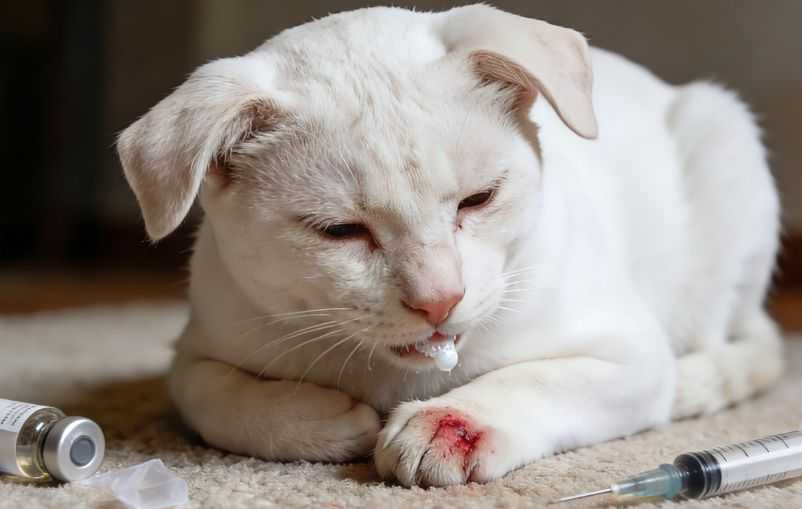
If your pet experiences any of the following rare drug side effects,take it to a veterinarian immediately.According to veterinary clinical data,while these rare side effects are infrequent,they can often be fatal.It's important to understand that,based on veterinary clinical practice,in the vast majority of cases,the therapeutic benefits of the medication far outweigh the potential risks of these rare side effects.Clinicians will comprehensively assess each pet's individual condition before administering medication to minimize risks.
I.Severe Allergic Reaction(Anaphylactic Shock)
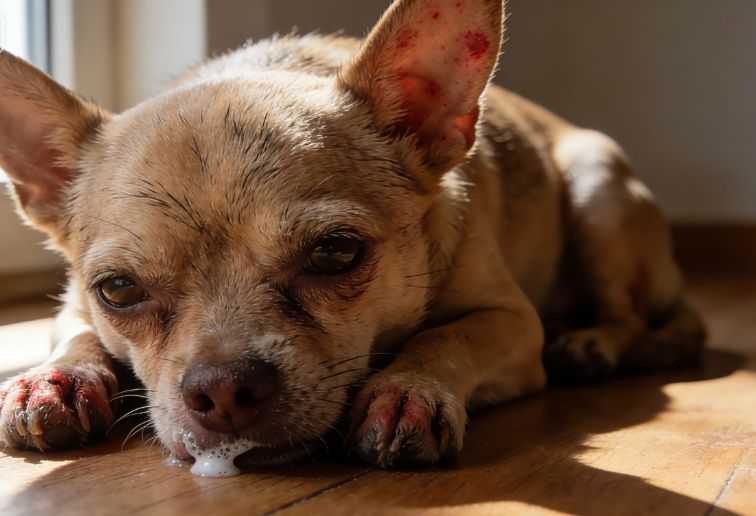
Anaphylactic shock,also known as a severe allergic reaction,is a drug side effect that occurs very rarely but is extremely dangerous in pets.It is defined in veterinary medicine as a"life-threatening acute allergic reaction."From a pathogenesis perspective,any drug(whether oral,injected,or topical)can act as an antigen,activating the pet's immune system and inducing an IgE-mediated immediate anaphylactic reaction,which can then lead to anaphylactic shock.
Clinical data shows that the onset time of such reactions varies from person to person.It can occur acutely within minutes to hours after the first dose,or it can be delayed after multiple doses(due to gradual sensitization of the immune system).Delayed onset is often overlooked by pet owners and carries a higher risk.
From a pathophysiological perspective,in most pets experiencing anaphylactic shock,the lesions primarily affect the lungs and respiratory tract.Due to airway edema and bronchospasm,the most common symptom is difficulty breathing,consistent with the core symptoms of anaphylactic shock in humans.However,in dogs,due to the unique distribution of histamine receptors in the gastrointestinal mucosa,the gastrointestinal tract directly releases large amounts of histamine to the liver,leading to vomiting and diarrhea.Simultaneously,the histamine-mediated inflammatory response damages liver cells,resulting in elevated liver enzymes.This is a typical clinical feature distinguishing canine anaphylactic shock from other pets and is clearly documented in*Small Animal Internal Medicine*.
II.Blood Disorders
According to statistics from veterinary clinical cases,the incidence of drug-induced blood disorders in pets is less than 1%,but the consequences are serious.These disorders mainly include thrombocytopenia and erythropoiesis(drug-induced hemolytic anemia).These diseases directly affect a pet's coagulation function or oxygen-carrying capacity,leading to spontaneous bleeding.
From a drug-related perspective,antibiotics(especially sulfonamides and penicillins)are common inducers of thrombocytopenia in pets.The mechanism involves the drug acting as a hapten,binding to platelets and triggering the immune system to attack its own platelets,resulting in a sharp drop in platelet count.Clinical practice shows that if thrombocytopenia is not treated promptly and aggressively(e.g.,discontinuing the sensitizing drug,platelet transfusion,and using immunosuppressants),it can cause bleeding,skin and mucous membrane bruising,and in severe cases,intracranial hemorrhage or internal bleeding,endangering life.
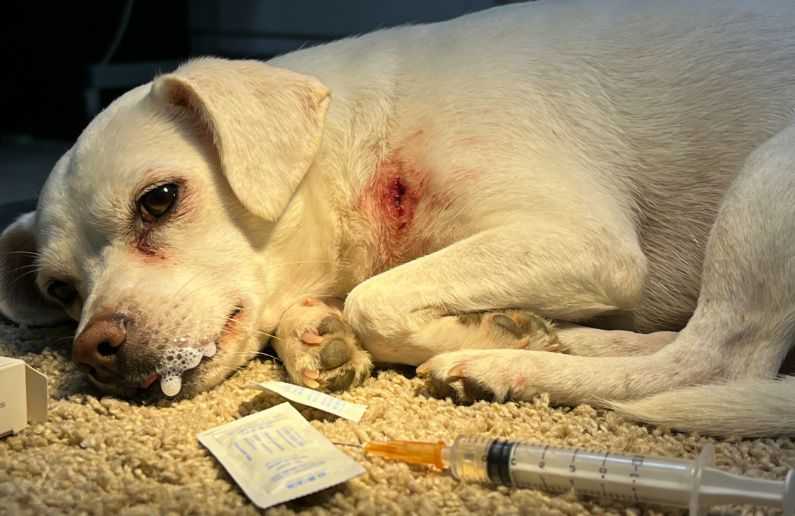
In addition,there are occasional reports of methimazole(used to treat feline hyperthyroidism)causing blood disorders in cats.Related cases show that these reactions are often related to excessive dosage or abnormal liver function in the cat,mainly manifesting as leukopenia and thrombocytopenia.Therefore,when using this drug clinically,veterinarians usually monitor the cat's blood count regularly and adjust the dosage promptly.
III.Difficulty Standing/Walking and Fainting
These side effects mainly occur during the use of drugs affecting the cardiovascular system.From a pharmacological perspective,these drugs can alter the pet's blood pressure level by regulating vascular tone,myocardial contractility,or heart rate,leading to abnormal heart rhythms(such as bradycardia,tachycardia,and arrhythmias),which in turn affects blood and oxygen supply to the brain,causing difficulty standing/walking and fainting.
In clinical practice,antihypertensive drugs(such as ACE inhibitors and calcium channel blockers)are common causes of these side effects.The mechanism is that the drugs excessively lower blood pressure,leading to insufficient blood supply to the brain.Some flea and tick control drugs(such as certain organophosphates)may directly damage myocardial cells,causing abnormal heartbeats and potentially fainting.The safety instructions for these drugs clearly state these adverse reactions and contraindications.
IV.When to Pay Attention to Pet Medication Side Effects(Clinical Practice Guidelines)
According to the"Guidelines for Clinical Drug Use in Small Animals,"if your pet experiences any side effects after medication,regardless of the severity of the symptoms,you must consult a veterinarian before continuing or discontinuing the medication.Do not make decisions on your own,as sudden discontinuation of some medications may cause a relapse or rebound reaction(such as with steroid medications).
Before giving your pet any medication,owners must consult their veterinarian about potential side effects(including common and rare ones),their onset time,and initial treatment methods,clearly identifying key areas for observation.It is recommended to proactively consult a veterinarian,taking into account the pet's age,weight,and health condition,to identify the types of adverse reactions requiring close monitoring for early detection and intervention.
Clinical practice shows that if a pet exhibits any serious symptoms,it should be taken to a veterinary clinic or emergency veterinary department within one hour to avoid fatal consequences due to delayed treatment.In most cases,if a pet experiences severe or obvious side effects,the veterinarian will recommend immediately discontinuing the medication and observing whether the symptoms improve,while simultaneously implementing targeted treatment(such as anti-allergy medication,fluid replacement,and liver and kidney protection).Based on veterinary clinical diagnostic standards,severe symptoms include:
-Seizures:Seizures lasting longer than 5 minutes or recurring suggest severe damage to the central nervous system;
-Respiratory distress:Caused by airway edema,bronchospasm,or cardiopulmonary dysfunction;without timely intervention,it can lead to suffocation within a short time;
-Collapse:Often caused by hypotension,hypoglycemia,or shock,manifesting as limb weakness,inability to stand,and confusion;
-Lethargy/General weakness:Suggests central nervous system suppression or organ dysfunction;
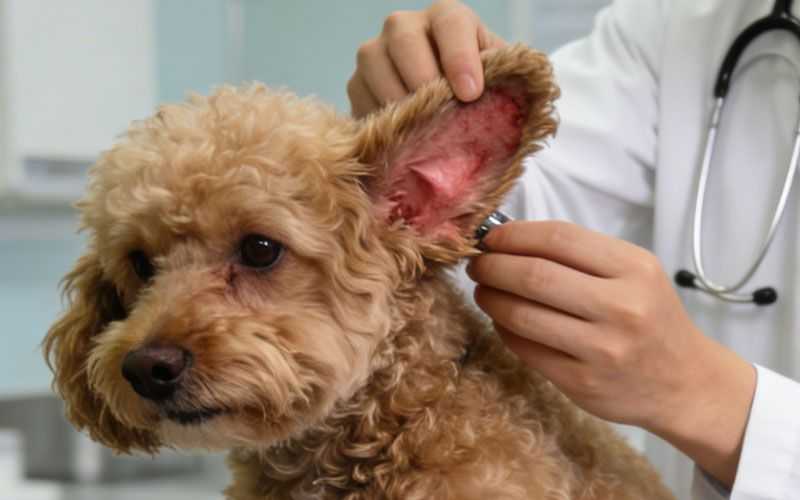
-Spontaneous bleeding/skin bruising:Suggests abnormal coagulation function,possibly indicating blood disorders or severe liver or kidney damage;
-Anaphylactic shock:Acute episodes of respiratory distress,vomiting,and salivation require immediate anti-allergic and anti-shock treatment;
-Yellowing of the skin/whites of the eyes/oral mucosa:Suggests hepatocellular damage,possibly drug-induced hepatitis or a hemolytic reaction;
-Blood in stool or black stool,vomiting blood:These suggest gastrointestinal ulcers or bleeding,often associated with nonsteroidal anti-inflammatory drugs(NSAIDs)or steroid medications.
-Loss of appetite:Loss of appetite lasting more than 24 hours may indicate organ dysfunction or severe irritation of the gastrointestinal tract by the medication.
V.Differentiation between Pet Medication Side Effects and Accidental Overdose(Key Clinical Points)
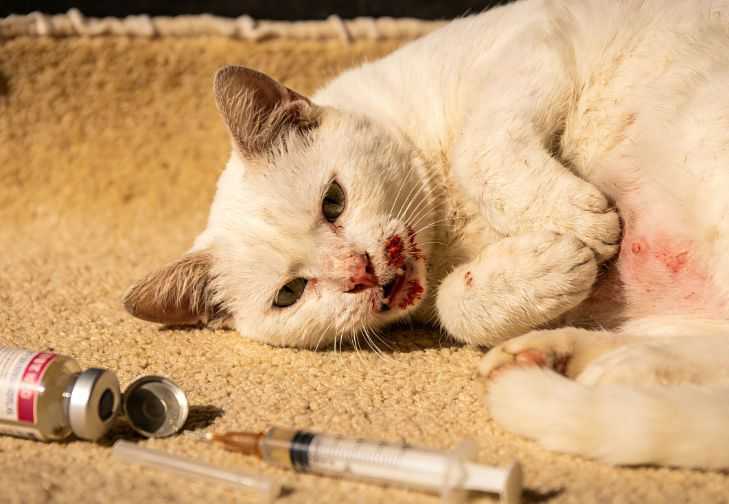
Abnormal reactions after medication in pets are mainly divided into two categories in clinical practice:side effects of the drug itself(unrelated to dosage or occurring within the normal dosage range)and accidental overdose(dosage exceeding the recommended standard).The core basis for differentiating between the two is"dosage"and"symptom characteristics."Based on clinical practice,the specific explanations are as follows:
Common causes of accidental overdose include:pet owners or other family members unknowingly giving the pet repeated medication,forgetting to administer medication and then giving it again,or the pet accidentally ingesting medication from a bottle or box(especially tablets or capsules).This type of situation is relatively common in clinical practice and is often caused by improper medication management by pet owners.
In terms of symptom characteristics,drug side effects are mostly mild and related to the pharmacological effects of the drug(such as gastrointestinal discomfort caused by antibiotics);while symptoms of accidental drug overdose are often more severe and are mostly"dose-dependent,"meaning the more the dose ingested,the more severe the symptoms.
Therefore,close observation of your pet's reaction after medication is crucial.If you have any concerns or notice severe symptoms in your pet,consult a veterinarian immediately,informing them of the dosage,timing of administration,and onset of symptoms.This will help the veterinarian quickly identify the cause and develop a treatment plan.Clinical data shows that mild drug overdose(such as a single dose exceeding 1-2 times the recommended value)can usually be relieved with symptomatic treatment such as discontinuing the medication and rehydration solution.However,the specific prognosis depends on the type of drug(e.g.,chemotherapy drugs and antihypertensive drugs have a higher risk of overdose)and the dosage ingested.Severe overdose can lead to organ failure and death in pets.