Information
- Home
- health

Gastrointestinal ulcers refer to sores or lesions that appear on the mucous membrane(a type of soft tissue)lining the stomach or intestines after irritation.Erosion by stomach acid often causes significant pain,and in severe cases,bleeding may occur,even leading to complete perforation.Depending on the location,ulcers can be classified as gastric ulcers or intestinal ulcers.These ulcers are usually secondary to other underlying diseases.
Symptoms of Chinchilla Stomach Ulcers
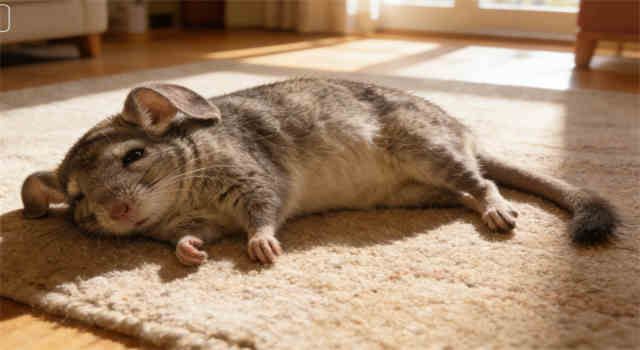
-Anorexia
-Lethargy
-Depression
-Weight loss
-Sparse fur
-Teeth grinding or nocturnal bruxism
-Arched back(an abnormal posture indicating abdominal discomfort)
-Diarrhea or decreased stool volume
Causes of Chinchilla Stomach Ulcers
-Feeding young chinchillas overly coarse fiber or moldy food irritates the gastrointestinal mucosa,causing damage.
-Improper use of antibiotics disrupts the normal physiological environment of the gastrointestinal tract,inducing ulcers.
-Bacterial infections,such as Yersinia pestis,can lead to ulcers in the small intestine,cecum,and colon.
-Stress,improper diet,overcrowding,sudden changes in diet,and prolonged feeding of low-fiber,high-fat,high-protein diets can all induce gastric ulcers.
-Abnormal fluctuations in gastrointestinal pH or imbalances in the normal intestinal flora can damage the mucosal protective barrier.
-In rare cases,parasitic infections(such as nematodes,coccidia,Giardia lamblia,Cryptosporidium,etc.)can also cause gastric ulcers.
-Chinchillas with gastric tumors may also exhibit gastric ulcer symptoms.
Gastric ulcers have a relatively high incidence in young chinchillas,but can also occur in adult chinchillas.
How Veterinarians Diagnose Gastric Ulcers in Chinchillas
Veterinarians will diagnose gastric ulcers in chinchillas using the following examinations:
-Blood tests:By testing blood parameters,signs of systemic infection and other potential diseases or abnormalities that may induce gastric ulcers can be ruled out.
-X-ray examination:Can assess for major abnormalities in the gastrointestinal tract,rule out complications such as obstruction,intestinal volvulus,and intussusception(where one segment of the intestine slips into another,causing an obstruction).Barium contrast radiography may be used depending on the need.
-Other imaging examinations:Such as ultrasound,can be used to assess the histological morphology of the stomach,intestines,and liver,and in some cases,can directly detect ulcer lesions.
-Fecal flotation examination:Used to rule out intestinal parasite infection and determine whether the gastric ulcer is caused by parasites.
Treatment of Chinchilla Gastric Ulcers
Treatment of chinchilla gastric ulcers focuses on symptomatic support and eliminating the underlying cause.Specific treatment plans may include the following:
-Use of antacids to neutralize stomach acid,reduce its erosion of the ulcer surface,and promote mucosal repair.
-Intravenous fluid administration to correct dehydration and electrolyte imbalances,and maintain normal physiological functions.
-Use of analgesics to relieve pain caused by the ulcer and improve the chinchilla's mental state.
-Use gastrointestinal motility promoters to promote gastrointestinal motility and improve digestive function.
-For ulcers caused by bacterial infections,use antibiotics appropriately for anti-infective treatment.
-Use anti-flatulence supplements to relieve gastrointestinal bloating and reduce abdominal discomfort.
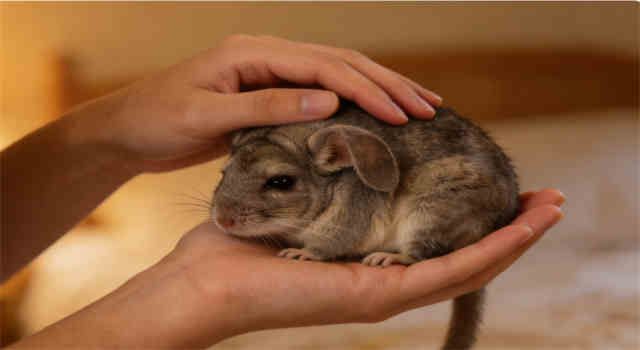
-Provide nutritional support to chinchillas with eating difficulties using a nutritional supplement syringe to ensure the body's energy supply.
-Actively correct underlying diseases that induce gastric ulcers and optimize feeding and management methods to prevent the condition from worsening or recurring at its source.
Recovery and Management of Gastric Ulcers in Chinchillas
Simple gastric ulcers usually heal within 4-6 weeks with standardized treatment.The recovery period may be prolonged depending on the severity of the condition and whether there are other accompanying diseases.
If the gastric ulcer is uncomplicated and there are no other comorbid diseases,the prognosis is good;if there are multiple complications or other comorbid diseases,the prognosis requires careful observation.
If the owner notices decreased energy,abnormal behavior,abnormal fecal output,or decreased appetite in the chinchilla,the owner should take it to the vet immediately.Untreated ulcers can progress to serious complications such as perforation,bleeding,anemia,peritonitis(inflammation of the peritoneum lining the abdominal cavity),and bacterial sepsis(blood poisoning),endangering the chinchilla's life.
Preventing Chinchilla Gastric Ulcers

Proper dietary management and care can effectively reduce the risk of recurring gastric ulcers in chinchillas.Specific measures include:providing suitable feed,maintaining a clean and hygienic environment,minimizing stress on the chinchilla,controlling stocking density to avoid overcrowding,and avoiding sudden changes in diet to ensure dietary stability and balance.
Frequently Asked Questions about Chinchilla Gastric Ulcers
Q:How long does it take for a gastric ulcer to heal?
A:The healing period for a chinchilla's gastric ulcer is usually 4-6 weeks.If the condition is severe or accompanied by other diseases,the healing time may be longer.
Q:How to treat gastric mucosal ulcers?
A:The core of treating gastric mucosal ulcers is to correct the underlying disease and poor husbandry practices.On this basis,supportive care and the administration of antacids can promote the natural repair of the gastric mucosa and achieve ulcer healing.