Information
- Home
- health

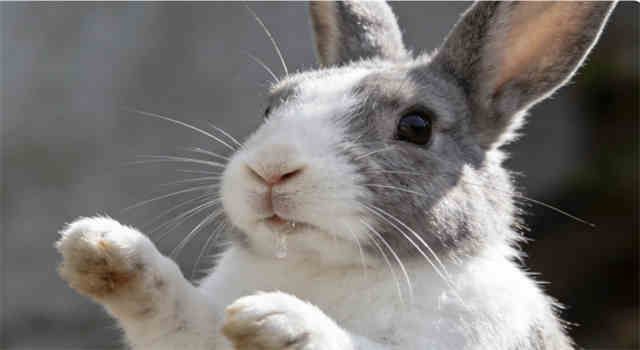
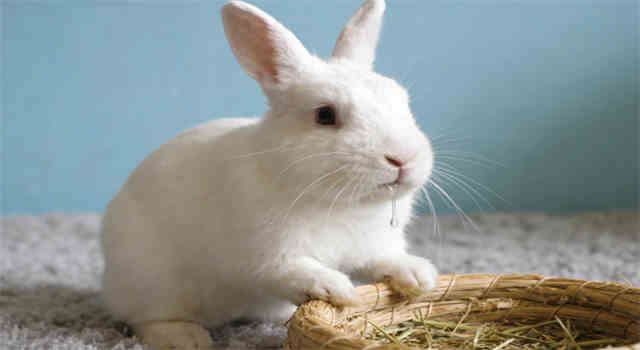
Similar to humans,pet rabbits can also experience runny noses.Respiratory diseases are the second most common health problem in rabbits,second only to gastrointestinal diseases(such as gastrointestinal stasis).
If you notice a runny nose in your rabbit,take it immediately to a veterinarian familiar with rabbit physiology.Rabbits are naturally nasal breathers,breathing only through their nasal cavity.Open-mouth breathing usually indicates difficulty breathing,a medical emergency requiring immediate veterinary attention.
Rabbits'nasal discharge is often green or white and is frequently accompanied by the following symptoms:
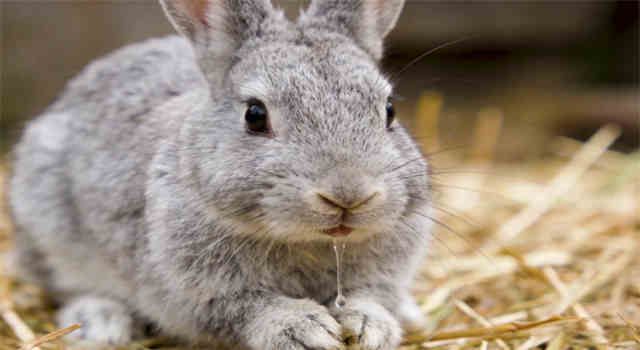
-Nasal discharge adheres to the paws or forms clumps,which can lead to paw ulcers in severe cases;
-Frequent sneezing;
-Head tilting,often caused by secondary infections of the nasal cavity or ears.
The causes of runny nose in rabbits are complex,mainly including the following categories:
(I)Bacterial Infection
Bacterial infection is one of the most common causes of runny nose(also known as nasal congestion)in rabbits,primarily caused by the following bacteria:Pasteurella multocida,Pseudomonas aeruginosa,Bordetella catarrhalis,and Staphylococcus aureus.
Rabbit rhinitis is contagious and can spread to other pets and humans.Therefore,strict hygiene practices must be maintained during and after contact with an infected rabbit.If signs of illness are observed in the rabbit,appropriate protective measures should be taken,such as wearing gloves and promptly changing any contaminated clothing to avoid cross-infection.
If your pet rabbit is diagnosed with rabbit rhinitis,closely observe other pets for symptoms;if the owner experiences discomfort,contact a veterinarian for consultation and treatment.
(II)Dental Problems
Dental problems are relatively common in rabbits.Because rabbit teeth grow continuously,excessive tooth growth can lead to local inflammation and infection,which may spread to the sinuses.In addition to runny nose,dental problems may also be accompanied by excessive tearing.(III)Foreign Object Obstruction
Although rabbits have small nostrils,foreign objects can still enter the nasal cavity.Hay clippings or grass clippings can sometimes become stuck in a rabbit's nasal cavity,causing irritation and leading to chronic nasal infection,manifested as persistent runny nose.
(IV)Nasal Polyps and Growths
The growth of nasal polyps and other growths in the nasal cavity can cause chronic upper respiratory tract diseases,obstructing the normal drainage function of the sinuses,leading to symptoms such as runny nose and sneezing,often presenting as chronic,recurrent episodes.
To achieve accurate diagnosis and targeted treatment,veterinarians will recommend the following examinations based on the rabbit's physical examination results to determine the specific cause of the runny nose:
(I)Blood Tests
-Complete Blood Count(CBC):By detecting the types and quantities of red blood cells,white blood cells,platelets,etc.,in the blood,this determines whether the rabbit's body is in an anti-infection state and helps to rule out infectious diseases;
-Biochemical Tests:This detects enzyme levels secreted by various organs in the body,helping veterinarians assess the rabbit's organ function and rule out potential problems such as organ damage;
-ELISA Test:By detecting antibody levels in the blood,this determines whether there is an active infection in the rabbit.
(II)Bacterial Culture and Drug Sensitivity Testing
Nasal secretions are collected from the rabbit using sterile swabs and inoculated onto agar or gel culture medium to culture and isolate bacterial strains.This test allows veterinarians to identify the specific bacterial species causing the infection and determine the bacteria's sensitivity and resistance to various antibiotics,providing a scientific basis for antibiotic selection.
(III)Imaging Examinations
X-rays:These clearly show whether the rabbit's teeth are overgrown,or if there are foreign objects obstructing the nasal cavity.If necessary,a chest X-ray will be taken to check for secondary infections such as pneumonia.In some complex cases,the veterinarian may recommend a CT scan to obtain more detailed imaging information of the nasal cavity,sinuses,and lungs,improving diagnostic accuracy.
(IV)Nasal Endoscopy
Using a flexible endoscope with a camera,the inside of the rabbit's nasal cavity is carefully examined to check for abnormalities such as nasal polyps,masses,and foreign objects.In some cases,the veterinarian can also use this device to collect nasal secretion samples for further testing.
The treatment plan for runny nose in rabbits needs to be comprehensively formulated based on factors such as the cause and severity of the condition.Specific measures are as follows:
1.Treatment for bacterial infections:Veterinarians usually use antibiotics to treat bacterial infections,and may also use probiotics to regulate the balance of the rabbit's intestinal flora and reduce the irritation of antibiotics to the digestive system.Antibiotic treatment typically lasts about two weeks.Commonly used antibiotics for treating bacterial respiratory infections in rabbits include enrofloxacin(Bayer®),sulfamethoxazole/trimethoprim(SMZ/TMP),and azithromycin.It is crucial to note that rabbits have extremely sensitive digestive systems;antibiotic use must strictly follow veterinary instructions,and it is strictly forbidden to increase or decrease the dosage or adjust the treatment course without consulting a veterinarian.
2.Management of Severe Cases:Rabbits with severe conditions may require hospitalization.Supportive care,such as oxygen therapy and nebulizer treatment,may be necessary to alleviate symptoms like difficulty breathing and nasal congestion.
3.Foreign Body Removal:If the runny nose is diagnosed as being caused by a nasal foreign body,nasal irrigation can be performed via nasal endoscopy to thoroughly remove the foreign body and relieve nasal irritation and infection symptoms.
4.Dental Problem Management:If the runny nose is caused by overgrown or infected teeth,extraction of the affected teeth may be necessary under general anesthesia to address the root cause of the infection.
5.Home Care:Under the guidance of a veterinarian,owners can use a nebulizer at home to provide nebulized care for rabbits,helping to relieve symptoms such as nasal congestion and respiratory irritation,and promoting recovery.
With scientific medical intervention and meticulous care,most rabbits with runny noses have a good prognosis.Some rabbits,due to more severe illness or chronic infection,may have a longer recovery period.In this case,owners need to be patient and strictly follow the veterinarian's treatment plan,continuing treatment for several months until full recovery.
To prevent reinfection,the rabbit's living environment should be thoroughly disinfected,and items that cannot be disinfected(such as bedding)should be replaced promptly;the frequency of hay and drinking water changes should be increased to prevent mold growth and avoid rabbits ingesting moldy food;a stress-free living environment should be provided,ensuring a nutritionally balanced diet and ample space for exercise to enhance their immunity and reduce the risk of recurrence.