Information
- Home
- health

Many people remember their parents reminding them to brush their teeth twice a day and have regular dental checkups during their childhood.As children,we might not have understood this,but as our understanding deepens,we realize that oral health is a crucial foundation for overall human health.
Similarly,pets like dogs and cats also need healthy gums and teeth.A scientific pet oral care system includes both daily brushing at home and regular professional dental cleanings at a veterinary clinic.
Why is oral hygiene so important for dogs and cats?
Lack of oral care can lead to a series of health problems in pets.Research shows that 80%-90%of dogs aged 3 and older suffer from dental diseases;meanwhile,50%-90%of cats aged 4 and older have potential dental problems.
Dental diseases can directly cause swollen and painful gums in pets,and in severe cases,even tooth loss.If left untreated,severe periodontal disease can lead to systemic health risks–pathogens in the mouth can invade various parts of the body through the bloodstream,damaging vital organs such as the kidneys,liver,and heart.
For a complete pet dental cleaning guide,click here.
For the Spanish version,click here.
How often should you clean your dog's and cat's mouth?
To prevent serious dental diseases,it is recommended that owners brush their pets'teeth at home at least 2-3 times a week.In addition to consistent home care,pets should be taken to a professional dental clinic for professional cleaning once a year.
Practical Tips for Brushing Pets at Home
Pets may not fully cooperate when brushing their teeth for the first time.Following these tips can make the cleaning process smoother and more efficient.
1.Choose professional and appropriate cleaning tools
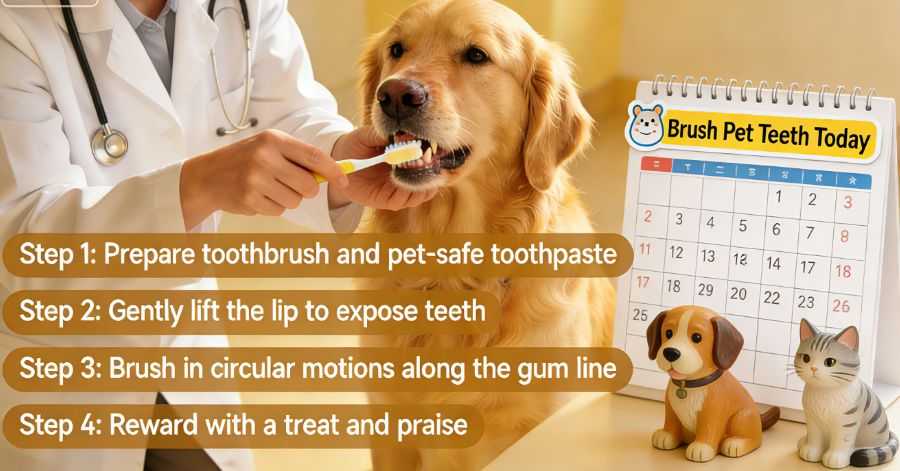
Some ingredients in human toothpaste may cause gastrointestinal upset in pets or even pose a risk of poisoning.Therefore,it is essential to use pet-specific toothpaste.Pet toothbrushes have smaller heads and softer bristles,making them better suited to the pet's oral cavity.When purchasing related products,it is recommended to prioritize those certified by the Veterinary Oral Health Council(VOHC).
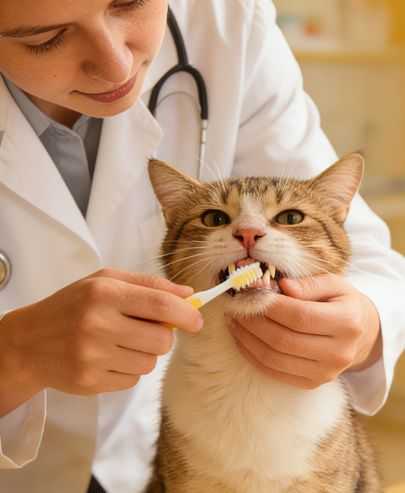
Given the small size of cats'teeth,if a dedicated cat toothbrush is unavailable,a square gauze pad or cotton swabs can be used for cleaning.
2.Cultivate Cleaning Habits from Puppyhood
It is recommended to guide your pet to adapt to brushing procedures when they are puppies or kittens.Compared to adult pets,puppies are more receptive and easier to develop a regular brushing habit.
3.Control the Duration of Each Brushing Session and Emphasize Positive Guidance
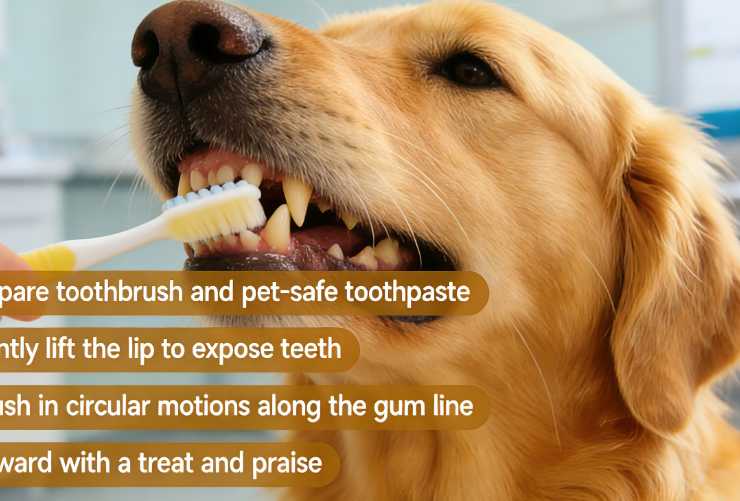
Once your pet is accustomed to brushing,you can begin the formal brushing process.The brushing methods for dogs and cats are basically the same.
Pets often find it difficult to tolerate a full oral cleaning in one go.It is recommended to pause every 5-10 seconds and provide positive encouragement through petting,soft praise,etc.
The entire brushing process should ideally last between 30 seconds and 1 minute.The core principle is to ensure the pet completes the cleaning in a relaxed and pleasant atmosphere,avoiding any resistance.
Alternatives to Brushing
Some pets simply cannot accept brushing their teeth,no matter how much guidance they receive.Fortunately,there are various oral care products available to help maintain your pet's oral health.
For example,you can add oral care flavorings(such as Bluestem oral care flavorings)to your pet's food or water;you can also feed your pet dental chews to clean their teeth through chewing.If you are unsure about which product to choose,it is recommended that you consult a veterinarian for professional advice.
It is important to emphasize that pet oral care should be made as pleasant as possible.If you encounter any problems during the process,please contact your veterinarian for assistance.Remember,the more thorough your pet's home oral care,the better their overall health will be.