Information
- Home
- health

Vomiting yellow fluid in dogs can indicate a variety of health problems,some of which require serious attention from pet owners.
What is yellow bile in dogs?
Normally,the yellow fluid vomited by dogs is bile.
Bile is secreted by the liver and stored in the gallbladder.Its main function is to break down fats and oils in the small intestine,helping the dog's body absorb nutrients.Bile is also strongly alkaline,which neutralizes stomach acid and protects the sensitive intestinal lining from acid erosion.
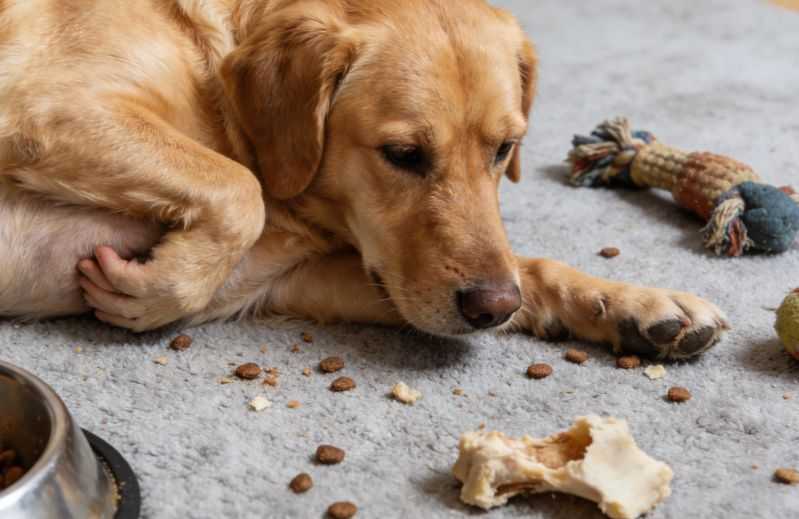
However,when bile abnormally seeps into the stomach,it reacts with stomach acid,causing the dog to vomit.
Bile is usually yellow or green,mostly odorless,and may contain mucus,bubbles,or foam.The amount vomited varies from person to person;sometimes it's a small amount piled up,sometimes very little,and may even be mixed with water.
Why does my dogvomit yellow fluid?
Vomiting yellow vomit in dogs is a common concern for pet owners,but the specific causes vary greatly.It could be a minor physiological discomfort or a sign of a serious illness.Here are some of the main potential causes of bile vomiting in dogs:
1.Bile Vomiting Syndrome(BVS)
Bile vomiting syndrome(BVS)is a term commonly used to describe the vomiting of bile or foamy liquid(not food)in dogs after prolonged fasting.In most dogs,this symptom often occurs in the early morning,especially if they haven't eaten all night.
Dogs with BVS may exhibit significant nausea,which is more pronounced in the early morning.Symptoms of nausea in dogs typically include:
-Frequent lip-smacking
-Drooling
-Panting
-Loss of appetite
For some dogs,prolonged fasting between dinner and breakfast can cause intestinal fluid to reflux into the stomach,causing stomach irritation,nausea,and ultimately,vomiting of a yellow liquid.
While BVS is usually not life-threatening,it is recommended to consult a veterinarian promptly to rule out other serious causes of vomiting in dogs.The veterinarian will recommend appropriate examination and treatment based on the dog's specific condition.
If routine diagnoses(such as blood tests and physical examinations)indicate that the dog has bile vomiting syndrome rather than another more serious condition,the veterinarian may recommend adjusting the diet or using medication.
Feeding the dog regularly at dinner time can usually effectively alleviate the symptoms.Studies have shown that food can effectively prevent bile reflux or improve gastric motility,reducing abnormal bile reflux.
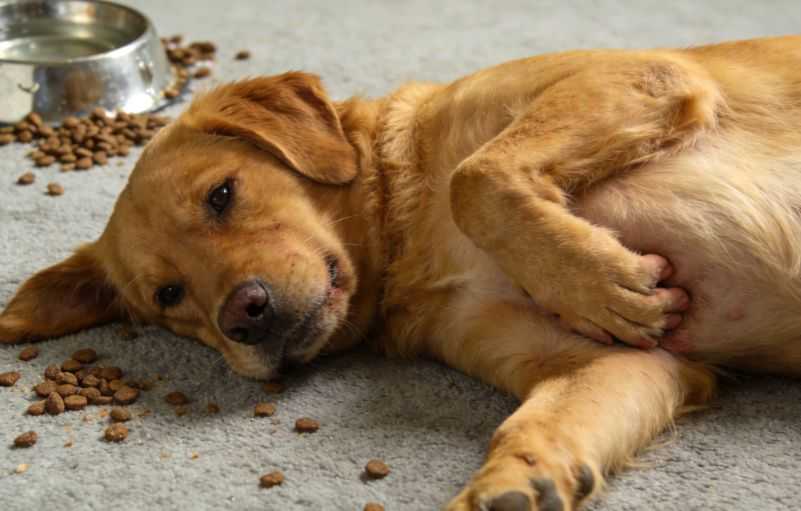
Automatic feeders can help dogs establish regular eating habits and automatically feed them at preset times,avoiding prolonged fasting.
If the dog continues to vomit after adjusting the feeding plan,the veterinarian may consider medication.Commonly used medications include antacids and/or gastric motility enhancers,usually requiring only one dose at night to effectively prevent symptom onset.
2.Gastrointestinal Diseases
When a dog vomits yellow bile acutely(sudden onset)or chronically(persistent over a period of time),it may indicate various digestive system abnormalities,including:
-Inflammatory bowel disease
-Peptic ulcers
-Bacterial or viral infections
-Intestinal parasite infections
-Various digestive tract cancers
All of the above conditions require professional diagnosis by a veterinarian to identify the underlying cause and implement targeted treatment.
Because bile has a certain degree of corrosiveness,if bile reflux irritates the esophagus for a long time without effective control,it may lead to esophageal ulcers.Some breeds with sensitive stomachs are more prone to this problem,such as bulldogs,small dogs,Labrador Retrievers,and Poodles.
3.Pancreatitis
Ingesting high-fat,oily foods may induce pancreatitis and other endocrine system diseases in dogs.However,it should be noted that the cause is unknown in 90%of canine pancreatitis cases,meaning the specific triggering factor cannot be identified.
Pancreatitis causes inflammation of the pancreatic tissue,leading to vomiting of yellow discharge in dogs,accompanied by other symptoms including severe abdominal pain and diarrhea.This disease typically occurs 3 to 5 days after a dog has eaten a high-fat diet,but in some cases,it can occur within 24 hours.
4.Addison's Disease
Addison's disease is another endocrine disorder specifically referring to adrenal gland dysfunction.One of its common clinical symptoms is vomiting.Due to insufficient secretion of adrenocortical hormones(stress hormones)in affected dogs,even mild external stress can severely affect their bodies,inducing vomiting and other discomfort.
5.Intestinal Obstruction
When a dog's stomach is empty,normal vomit may appear as yellow bile(however,it is recommended to intervene as soon as vomiting occurs to prevent the condition from progressing to this stage).In addition to vomiting bile,extreme lethargy and severe abdominal pain are also typical signs of intestinal obstruction.
Intestinal obstruction is a medical emergency;once related symptoms are observed,the dog should be taken to a veterinarian immediately.Surgery is the most common treatment for intestinal obstruction.It removes the foreign object causing the blockage and restores bowel patency.
6.Food Allergies
If a dog ingests an allergen,it may vomit,and the vomit may contain bile.This usually occurs when a dog is introduced to a new diet.
Common food allergens in dogs include:
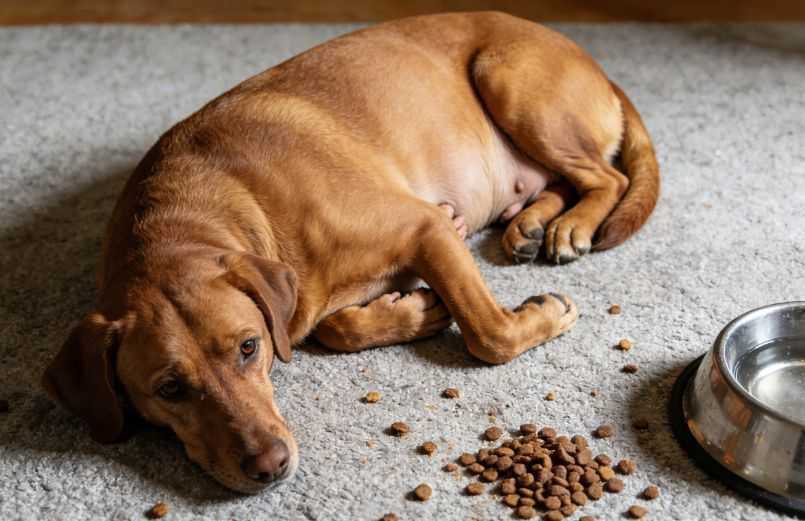
-Beef
-Dairy products
-Wheat
-Eggs
-Chicken
-Corn
-Lamb
-Soy
-Pork
-Rabbit
-Fish
In some cases,dogs may develop allergic reactions to foods they have been eating for a long time.Most pets develop food allergy symptoms between 1 and 5 years of age.
For food allergies,a rigorous 12-week dietary trial is usually required to identify the protein causing the allergy.Based on the trial results,a veterinary nutritionist can create a personalized diet plan for the dog,eliminating the allergen while ensuring the dog receives the necessary vitamins and nutrients to maintain its health.
What should I do if my dogvomits yellow bile?If your dog vomits yellow bile,closely observe its mental state and subsequent behavior.If the dog vomits bile only once and is otherwise healthy(eating normally,no other abnormal symptoms),you can continue to observe it at home.
If the dog vomits more than once within 24 hours,or if it vomits accompanied by other abnormal symptoms,it should be taken to a veterinarian on the same day to rule out other serious health problems.Similarly,if the dog vomits bile repeatedly and persistently(for example,vomiting only once in the morning,but the symptom lasting for a long time),you should consult a veterinarian promptly to determine the cause and intervene.
How to relieve stomach discomfort after a dog vomits?
There are several ways to relieve stomach upset in dogs after vomiting,including:
-Fasting for 12-24 hours to allow the stomach to rest.
-Supplementing with probiotics and prebiotics to regulate gut flora balance.
-Providing small amounts of ice to relieve thirst and avoid stomach irritation.
-Feeding canned food or pumpkin powder to gently nourish the stomach.
It is crucial to consult a veterinarian before giving your dog any medication or supplements to relieve stomach upset,to avoid worsening the condition due to improper medication.