Information
- Home
- health

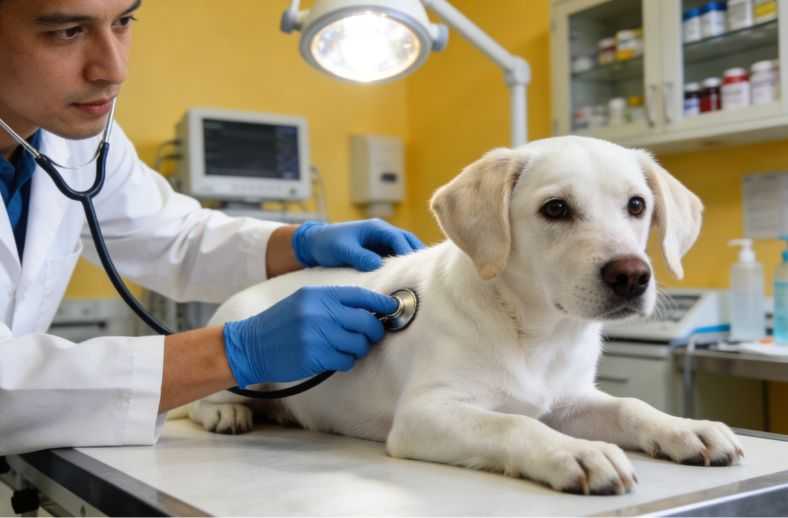
For new pet owners,welcoming a puppy is filled with joy and anticipation,but also with a lot of uncertainty.While purchasing all the necessary puppy supplies(such as collars,dog food,toys,etc.)is important,arranging the puppy's first veterinary checkup should be a top priority.
This article will share a series of practical tips to help you prepare fully for this visit,clarifying key points and precautions,and laying a solid foundation for your puppy's healthy and happy growth.
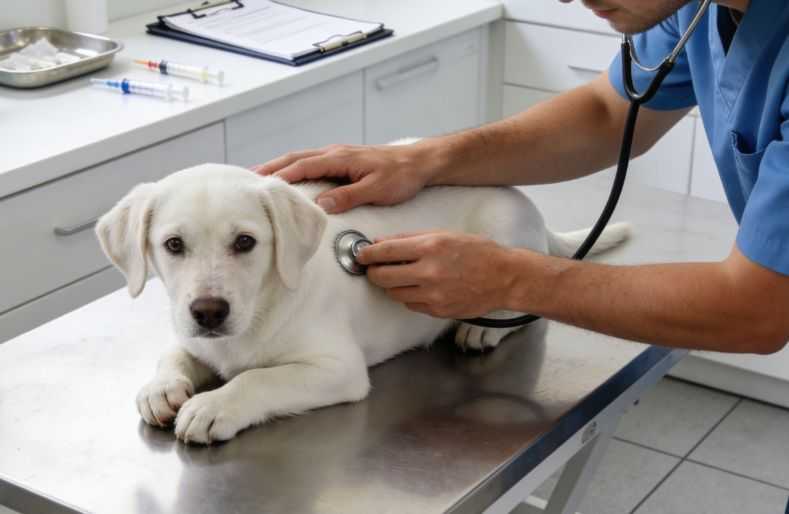
Please be sure to take your puppy to the vet for a checkup within one week of bringing it home.This ensures the veterinarian can promptly develop a personalized health management plan for the puppy,effectively preventing common puppy diseases such as canine parvovirus and distemper,establishing the first line of defense for your puppy's health.
The initial veterinary checkup for puppies focuses on comprehensively screening for potential health risks and laying a solid foundation for their health.The specific procedures include:
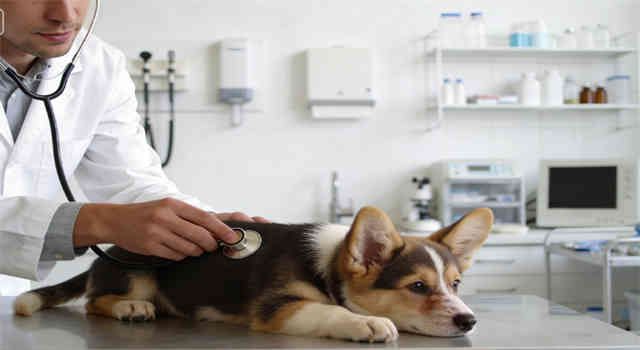
1.Comprehensive Physical Examination:The veterinarian will conduct a full-body examination of the puppy to screen for various potential health problems and rule out congenital abnormalities(birth defects),such as heart murmurs and hip dysplasia,ensuring that all organs of the puppy are developing normally.
2.Intestinal Parasite Testing and Deworming:The veterinarian will collect a fecal sample from the puppy to test for common intestinal parasites such as roundworms,hookworms,and whipworms—these parasites have a very high incidence rate in puppies.Even if the fecal sample test result is negative,the veterinarian will still prescribe deworming medication.This is because parasite eggs are intermittently excreted in feces,and it cannot be guaranteed that they will be detected in every test.The puppy may need to take deworming medication multiple times during subsequent follow-up visits;the specific frequency will be determined by the veterinarian based on the puppy's condition.
3.Heartworm Testing:If the puppy is at least 6 months old,the veterinarian will collect a blood sample for heartworm testing.This test is unnecessary for puppies under 6 months old,as it takes approximately 6 months for heartworms to develop into detectable adult worms after infection;tests conducted before this time will yield negative results and are not representative.
4.Vaccination Schedule:If the puppy has already received some vaccinations,the veterinarian will review its medical records and,considering the puppy's age,breed,and health condition,discuss and determine the subsequent vaccination schedule with you.The table below details the recommended vaccination schedule for puppies at different ages for your reference.
All puppies routinely receive the rabies vaccine,canine distemper-canine parvovirus combined vaccine,and leptospirosis vaccine.In addition,the veterinarian will assess whether additional vaccines such as Lyme disease vaccine and Bordetella vaccine are needed,based on the puppy's lifestyle.
5.Spaying/Neutering Recommendation:The veterinarian will discuss the relevant matters regarding the puppy's spaying/neutering surgery and provide professional advice.It is recommended that all dogs be spayed or neutered.This effectively reduces the risk of certain behavioral problems and health issues in the future.Unspayed female dogs have a significantly higher risk of mammary cancer and uterine infections,while unspayed male dogs are more prone to testicular cancer and have a higher probability of exhibiting aggressive behavior.
Most dogs respond well to spaying/neutering surgery around 6 months of age.However,veterinarians may recommend that large breed puppies be spayed/neutered only after they are fully mature.The specific timing of the surgery should be determined based on the individual puppy's situation and a careful weighing of the pros and cons.
6.Microchipping(if not already implanted):It is recommended to implant a microchip in your puppy so that it can be quickly identified and returned to you if it gets lost.If your puppy was adopted from a shelter or rescue organization,it may already have a microchip,which your veterinarian will confirm during the checkup.
7.Parasite Prevention Guidance:The veterinarian will guide you in selecting appropriate flea,tick,and heartworm prevention medications based on the puppy's living environment and individual condition,emphasizing the importance of consistent,year-round medication to ensure the puppy is protected from various parasites.
When taking your puppy for its first veterinary visit,be sure to bring all its health-related records to avoid unnecessary duplicate examinations and expenses.If you adopted a puppy from a shelter,they will usually provide you with complete health documentation;if you purchased a puppy from a kennel,please bring the puppy's own health documentation,as well as any information you have about the parents'health history.
The health record should detail the veterinary care the puppy has received,any incomplete care plans,specifically including vaccination records,stool and blood test results,deworming records,and other medications.Without these documents,the veterinarian may need to perform a complete examination of the puppy from scratch,and may even repeat previously performed medical care—this may not necessarily harm the puppy's health,but it will incur additional costs that could have been avoided.
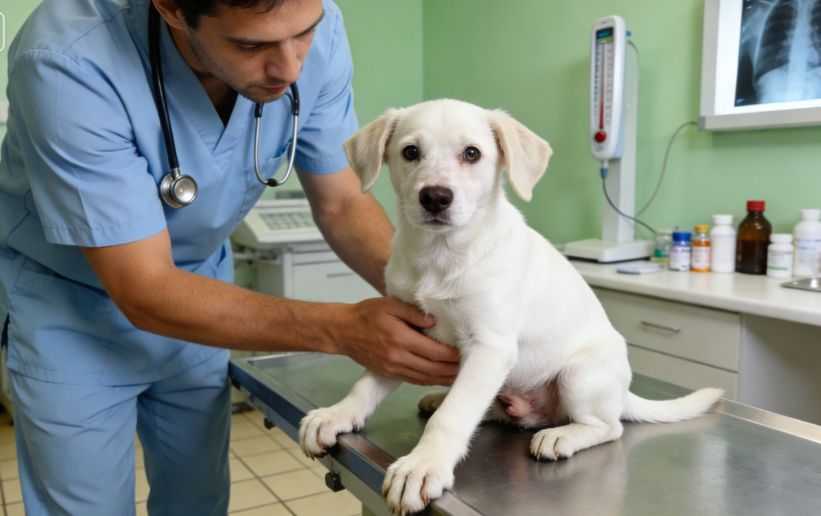
In addition to your core health records,we recommend bringing the following items to improve the convenience of your visit and your puppy's comfort:
-A completed medical form(if provided by your veterinarian in advance);
-A prepared list of questions or concerns to discuss with your veterinarian;
-Records of the brands of dog food and treats you provide for your puppy at home,and their daily feeding amounts;
-Any medications provided by the shelter,breeder,or rescue organization(if available);
-A leash,collar,or harness for your puppy(for restraint and walking);
-A chew toy(to distract the puppy and alleviate anxiety during the visit);
-Small treats(to reward good behavior and help soothe the puppy);
-A fresh stool sample from your puppy(for parasite testing,improving accuracy);
-A carrier or crate lined with a towel or shirt that smells like home(to provide a familiar scent,increasing comfort and reducing anxiety during the visit).
The puppy's first veterinary examination is usually more comprehensive and detailed,therefore the cost is generally higher than subsequent routine follow-up visits.The specific costs are as follows:
1.Basic Examination Fees:Typically between$40 and$85,covering basic items such as weight measurement,temperature measurement,cardiopulmonary auscultation,general physical examination,and medical history consultation;
2.Vaccination Fees:Initial vaccination packages typically cost between$200 and$250,with each subsequent booster shot costing approximately$50;
3.Parasite-Related Fees:Intestinal parasite screening costs between$20 and$50,and a single dose of deworming medication costs approximately$10 to$20;
In addition,you can discuss pet insurance with your veterinarian to assess its suitability for you and your puppy—pet insurance can offset potential future veterinary costs to some extent,providing more comprehensive protection for your puppy's health.
Puppies'immune systems are not yet fully developed,making them vulnerable to various diseases.Common ailments include intestinal parasite infections,upper respiratory tract infections,skin infections,ear infections,and flea infestations.Among these diseases,canine parvovirus,canine distemper,and kennel cough have a high incidence rate in puppies,especially unvaccinated puppies,requiring special attention for prevention.
Although the veterinarian will conduct a comprehensive health check during the puppy's first visit,if you notice any discomfort or abnormal behavior in your puppy during daily care,be sure to contact the veterinarian immediately.If your puppy exhibits any of the following symptoms,take it to the vet immediately.Do not delay treatment:
-Thick,yellow or green discharge from the eyes and nose;
-Frequent coughing,sometimes accompanied by wheezing or difficulty breathing;
-Blood in urine,or abnormal urine color;
-Frequent vomiting or diarrhea,or blood in vomit or feces;
-Loss of appetite,or complete refusal to eat;
-Visible parasites in the feces;
-Abnormal abdominal distension,accompanied by lethargy;
-Fever(body temperature higher than normal);
-Extreme lethargy,lethargy,and sluggishness;
-Pale or dry,dull gums;
-Excessive itching,frequent scratching,or accompanied by hair loss and skin redness and swelling;
-Itchy ears,unusual odor,or dirty discharge in the ear canal;
-Symptoms of seizures.
When a puppy shows any signs of illness,contacting a veterinarian promptly and taking it to the vet will ensure that the puppy receives timely and proper care and treatment,helping it recover as soon as possible,preventing the condition from worsening,and protecting the puppy's health and safety.