Information
- Home
- others

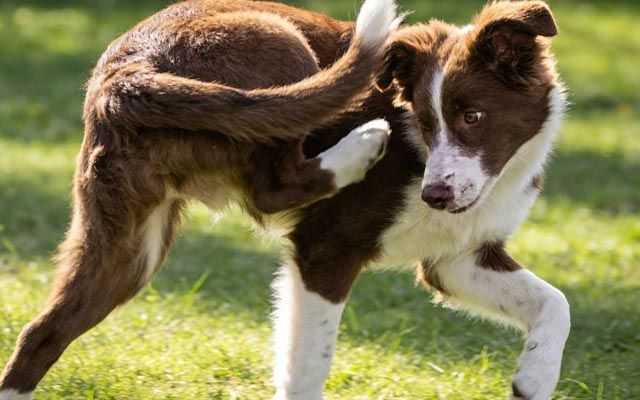
Pet owners often mention their dogs frantically spinning in circles,trying to catch their rapidly wagging tails.While this tail-chasing behavior may seem amusing to humans,the underlying reasons are often misunderstood,requiring a comprehensive assessment considering the frequency of the behavior and accompanying symptoms.
Key Points
Tail-chasing behavior in dogs during play or in puppies is often a normal physiological phenomenon;however,if the behavior is frequent and vigorous,it may indicate an underlying problem and requires attention.
Stress,boredom,and health issues such as flea infestations and body pain can all trigger tail-chasing behavior in dogs.
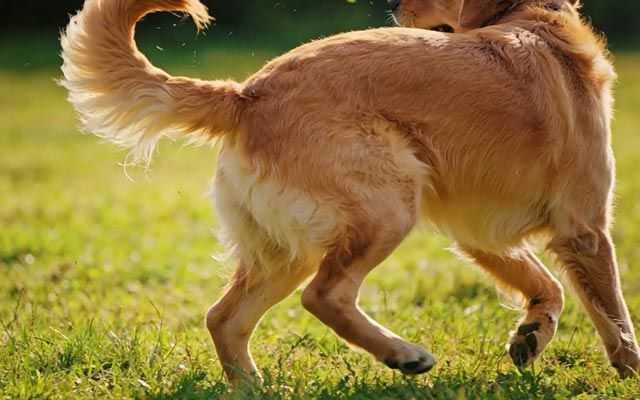
Reinforcing tail-chasing—whether through active attention or interactive play—can unintentionally encourage this habit.
If a dog continues to chase its tail,or if it exhibits other worrying symptoms,consult a veterinarian for professional evaluation.
Common Causes of Tail-Chasing in Dogs
In certain situations,tail-chasing in dogs is considered normal behavior.For example,puppies may become curious about their own tails,exploring and chewing to familiarize themselves with the body part,or briefly circling to further understand their tails.Dogs may also chase their tails when excited or playing.However,in some cases,this behavior may indicate various problems,for the following reasons:
1.Behavior is artificially reinforced
When a dog chases its tail,the owner often gives it attention,which may indirectly reinforce the behavior.Some pet owners respond to the dog by laughing,giving it treats,or even mimicking wagging its tail,creating the perception that"chasing the tail brings benefits,"leading to more frequent repetition of the behavior.If the owner subsequently stops paying attention,the dog may become frustrated and increase the frequency of tail-chasing to try and regain attention or treats.
2.Unmet psychological and emotional needs leading to boredom
All dogs need sufficient exercise to meet their physiological,psychological,and emotional needs.If these needs are not met for a long time,the dog will become bored and engage in specific behaviors to pass the time;tail-chasing is a typical example.
To prevent dogs from engaging in this behavior due to boredom,try the following activities:regular daily walks;social interaction with other dogs;diverse activity environments,such as exploring new surroundings,allowing moderate digging,providing safe chew toys,and activities like running and swimming;positive reinforcement training to help the dog learn commands;and engaging in educational games and problem-solving activities,such as food puzzles.Note that prolonged boredom can also trigger anxiety,which is a significant contributing factor to tail-chasing in dogs.
3.The Influence of Stress or Anxiety
Prolonged stress or anxiety is another potential cause of tail-chasing in dogs,especially when it helps them escape fear or gain self-comfort.Such repetitive actions triggered by environmental factors are called stereotyped behaviors,typically manifesting as predictable patterns or rhythms.For example,dogs confined to cages for extended periods and lacking environmental stimulation may exhibit behaviors such as circling,catching their tails,and repeatedly performing this action.This is more common in environments lacking sufficient social interaction,physical exercise,and emotional stimulation.
4.Underlying Health Problems
If a dog suddenly starts chasing its tail,or if the frequency of this behavior gradually increases,it may indicate an underlying health problem or discomfort.Common health causes include:anal sacculitis,rectal inflammation,internal parasite infection,flea or tick infestation(fleas often congregate at the base of the tail),localized body pain,cancer,epilepsy,etc.
5.Canine Compulsive Disorder(CCD)
Canine CCD appears similar to stereotyped behaviors,but its occurrence is not directly related to environmental factors.Affected dogs are difficult to interrupt when chasing their tails,and even if other activities are arranged,they may quickly revert to tail-chasing behavior.
In severe cases,the dog may become completely unable to be distracted,and compulsive behaviors such as tail-chasing will interfere with basic physiological activities such as eating and drinking.Furthermore,some affected dogs will repeatedly bite or tear their own tails,causing injuries and increasing the risk of infection.It is important to note that tail docking surgery(removing part or all of the tail)cannot cure this compulsive behavior.
Research on canine obsessive-compulsive disorder(OCD)is ongoing.Evidence suggests a genetic link,with some breeds having a relatively higher incidence,such as Bull Terriers,Miniature Bull Terriers,German Shepherds,and Staffordshire Bull Terriers.For dogs with OCD,treatment typically involves medication to regulate brain chemicals,combined with behavioral correction and environmental adjustments to achieve the desired results.It is recommended to consult a veterinarian promptly for professional guidance.
Veterinary Indications for Tail-Chasing Behavior in Dogs
If a dog's tail-chasing behavior is difficult to stop or is accompanied by other abnormal symptoms,it should be taken to a veterinarian immediately.Veterinary evaluation is also necessary if any of the following occur:signs of infection,parasites,or abnormal lumps;self-mutilation or tail injury;inability to eat,drink,or rest normally,or difficulty interacting normally with the owner or other animals.Furthermore,if a dog's behavior suddenly changes(such as the addition of tail-chasing),a veterinarian should be consulted immediately to identify and treat any underlying health issues.
How to Correct a Dog's Tail-Chasing Behavior
While tail-chasing can be a normal playful behavior,if it's causing distress,you can reduce or even eliminate it by:
1.Carefully Avoid Reinforcing the Behavior
Reinforcing tail-chasing can lead the dog to use it as a way to attract attention.Even negative responses,such as yelling at the dog,can unintentionally reinforce the behavior.Therefore,it's recommended to avoid encouraging tail-chasing in the first place.If the behavior occurs,ignore it.
If you are training your dog to"spin,"clearly establish start and stop commands during training to avoid confusion with spontaneous tail-chasing.When a dog chases its tail,first investigate the underlying cause,rather than simply viewing it as a playful behavior.
2.Establish Alternative Behaviors
If the dog chases its tail to attract attention or relieve boredom,you can train alternative behaviors.For example,train the dog to"fetch a toy and sit"or"sit and raise a paw"when it craves attention.Once these new behaviors become habits and receive consistent positive reinforcement,the tail-chasing behavior will gradually decrease.
3.Enrich Life and Entertainment Environments

For dogs that chase their tails out of boredom,enriching their life environments is the most effective intervention.Ensure the dog receives ample and high-quality companionship,meeting its daily exercise needs;if the dog enjoys socializing,arrange appropriate social activities;also provide interactive toys,educational games,and regularly conduct training games to comprehensively meet its mental and physical needs.
4.Seek Professional Assistance
If the tail-chasing behavior persists and cannot be corrected through the above methods,it is recommended to seek help from professionals such as certified behavior counselors,certified dog trainers,applied animal behaviorists,veterinarians,or veterinary behaviorists to develop a personalized intervention plan based on professional assessment.