Information
- Home
- others

Stress is a key factor affecting fish health,and its importance has received significant attention from the scientific community.Related research has extensively covered both wild and captive fish populations.Fish stress is complex,persisting throughout the entire process of fish farming and rearing,and exerting multidimensional effects on fish survival.
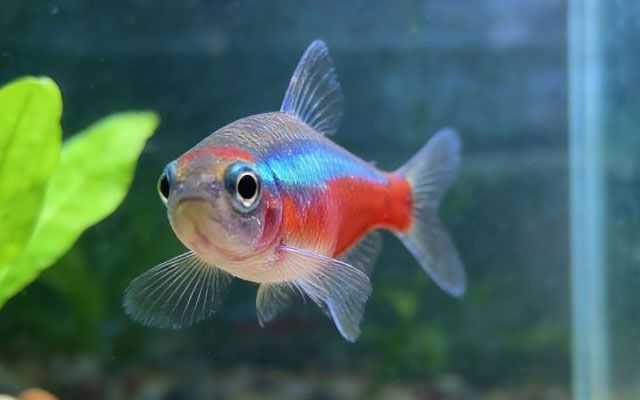
The core principle of fish stress management is"prevention is better than cure."Common stressors in the fish environment include:overcrowding,human interference,poor water quality or unsuitable environments,co-species rearing with fish that are incompatible with their natural habits,and co-species rearing with aggressive fish.In the natural environment,the presence of predators is also a major stressor.These factors,along with other potential triggers,will elicit different physiological and behavioral responses in fish depending on the type and intensity of stress.
Fish have evolved and adapted to relatively stable environments.Their stress response systems are better suited to coping with short-term,sudden stress,but less adaptable to long-term,persistent environmental stress.Unfortunately,both short-term and long-term stress can adversely affect fish health.
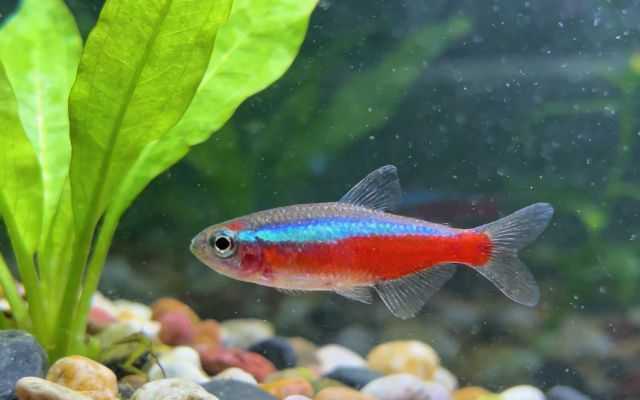
Under short-term stress,the most typical response in fish is escape,a behavior commonly seen in both natural and captive environments.In the natural environment,short-term stress is mostly triggered by predator threats;in captivity,netting(such as catching fish to check their condition or relocate them)is often the primary cause.
When fish sense danger signals,they secrete hormones,including adrenaline,triggering a short-term stress alarm.Adrenaline strengthens motor muscles,providing fish with a burst of power for rapid escape;simultaneously,cortisol is also secreted.It's important to note that fish may sacrifice long-term health for short-term physiological enhancement in response to short-term stressors:adrenaline interferes with the fish's natural osmotic pressure regulation mechanism(i.e.,the balance of salt and water in the body),while cortisol acts on white blood cells,reducing the immune system's defense capabilities.
After the stress response subsides,fish need to gradually restore their physiological balance.Even with only short-term stress,this recovery process can take hours or even days.
Long-term environmental changes(such as water quality deterioration or unsuitable environments)will trigger the same initial response in fish as short-term stress—activating the escape alarm.However,when unable to escape adverse environments,fish do not cease their stress state but instead activate adaptive regulatory mechanisms to attempt to adapt to the new environmental conditions.
Initially,fish often exhibit excessive stress responses.Over time,they gradually adjust to a relatively balanced state at the physiological and behavioral levels.Throughout the adaptation cycle,fish still prioritize allocating energy to cope with environmental stress,remaining in a state of continuous stress,leading to impaired immune system function and a significantly increased risk of disease.Typically,the adaptation cycle for fish to long-term environmental stress is 4 to 6 weeks.
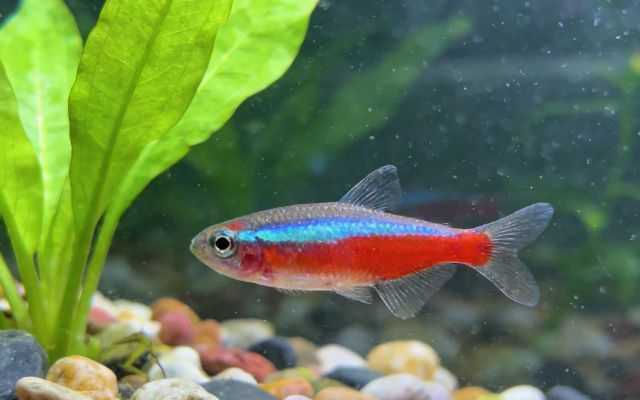
If fish are under continuous stress for an extended period(such as continuous environmental deterioration or relentless aggression and bullying from other fish),they will continuously strengthen adaptive regulation,prolonging the duration of various physiological stress responses,thereby reducing their survival probability.In extreme cases,if fish cannot adapt to the environment(such as placing saltwater fish in a freshwater environment),they will die from excessive depletion of physiological functions.
For fish enthusiasts,fully considering the impact of stress responses on fish is crucial.Planning a breeding program in advance,precisely controlling environmental parameters,and scientifically regulating stocking density are the core principles of fishkeeping.It can effectively reduce the probability of stress response in fish,significantly reduce the occurrence of diseases,and protect the health of fish.