Information
- Home
- others

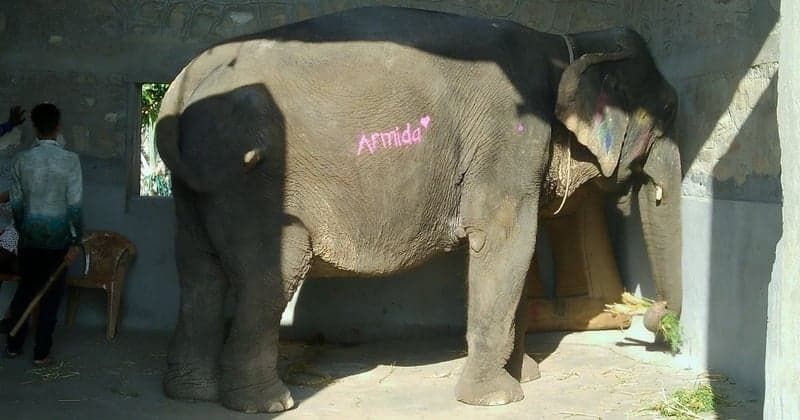
A widely shared photoshoot that took place in Jaipur,featuring a captive elephant covered in pink paint,is now under official scrutiny—all over growing worries about animal well-being and potential violations of related rules.
Indian officials have kicked off an investigation after pictures of a 65-year-old captive elephant,dyed a vivid pink for a photoshoot in Jaipur,sparked widespread backlash on social media platforms.The images,captured by a foreign photographer during a creative session in Rajasthan’s capital city,show the elephant standing next to a model at a derelict temple.
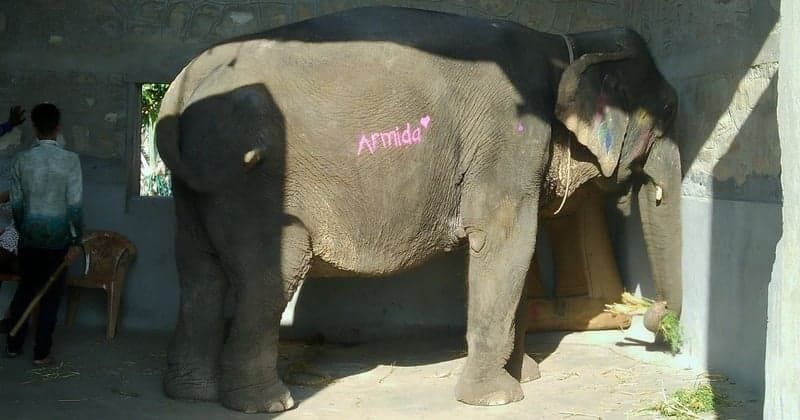
First posted online towards the end of last year,the photos resurfaced and went viral in March,triggering intense criticism about the ethical implications of using animals for artistic and tourism-related activities.Even though there were claims that non-toxic paint was used,animal advocates and members of the public have raised doubts about whether the elephant was put through unnecessary stress and exploitation.
Reports indicate that the elephant,known as Chanchal,has passed away since the photoshoot took place.
Authorities Launch Probe Into Welfare Standards
The Rajasthan Forest Department has confirmed that it is looking into the details surrounding the photoshoot,including whether the organizers secured the proper permits and adhered to animal welfare regulations.Officials are also reviewing if existing laws that govern the use of captive elephants were violated.
In India,elephants are protected under the Wildlife Protection Act,and the breeding of these animals as well as their exploitation for tourism purposes remains a heavily monitored issue.The investigation comes amid pressure from activists,who argue that creative or commercial activities involving captive wildlife often exist in regulatory gray areas—especially when foreign tourists or photographers are involved.
A widely shared photoshoot that took place in Jaipur,featuring a captive elephant covered in pink paint,is now under official scrutiny—all over growing worries about animal well-being and potential violations of related rules.
Indian officials have kicked off an investigation after pictures of a 65-year-old captive elephant,dyed a vivid pink for a photoshoot in Jaipur,sparked widespread backlash on social media platforms.The images,captured by a foreign photographer during a creative session in Rajasthan’s capital city,show the elephant standing next to a model at a derelict temple.
First posted online towards the end of last year,the photos resurfaced and went viral in March,triggering intense criticism about the ethical implications of using animals for artistic and tourism-related activities.Even though there were claims that non-toxic paint was used,animal advocates and members of the public have raised doubts about whether the elephant was put through unnecessary stress and exploitation.
Reports indicate that the elephant,known as Chanchal,has passed away since the photoshoot took place.
Authorities Launch Probe Into Welfare Standards
The Rajasthan Forest Department has confirmed that it is looking into the details surrounding the photoshoot,including whether the organizers secured the proper permits and adhered to animal welfare regulations.Officials are also reviewing if existing laws that govern the use of captive elephants were violated.
In India,elephants are protected under the Wildlife Protection Act,and the breeding of these animals as well as their exploitation for tourism purposes remains a heavily monitored issue.The investigation comes amid pressure from activists,who argue that creative or commercial activities involving captive wildlife often exist in regulatory gray areas—especially when foreign tourists or photographers are involved.
Photographer Defends Their"Creative Choices"
The photographer responsible for the controversial images has spoken out in defense of the shoot,explaining that the color used was organic,easy to wash off,and comparable to the powders that are traditionally used during Indian festivals.They also insisted that the elephant suffered no harm,noting that the photoshoot was brief and overseen by the animal’s handler at all times.
According to Chanchal’s owner,the elephant had already stopped being used for tourist rides and passed away earlier this year due to old age.The owner has stood by the claim that the photoshoot did not cause the elephant any distress or physical injury.
That said,elephants have extremely sensitive,porous skin and tend to feel stressed in unfamiliar or disruptive situations—even when no harmful chemicals are involved.And while the photographer made the choice to paint the elephant,the animal itself had no say in the matter.
Painting elephants is a common practice pushed by exploitative tourism companies,where these animals are treated as canvases for tourists to decorate.Photoshoots like this one only encourage the public to take part in experiences that can harm animals both physically and mentally.
Calls for Tighter Controls
The controversy has brought back long-standing worries about how captive elephants are treated in Jaipur and other tourist hubs across India.This specific incident underscores just how urgent it is to put stricter oversight on the use of wildlife for tourism,content creation,and social media posts.
Inconsistent enforcement of existing rules can let harmful practices keep going,hidden behind the pretense of culture,art,or tradition—all while putting animals in danger.
Debate Over Art,Tourism,and Ethical Responsibility
The pink elephant photoshoot has sparked a wider discussion about artistic freedom and ethical duty.While some have defended the images as art inspired by culture,many critics argue that creativity should never come at the cost of an animal’s well-being.
Commenters have questioned why digital tools or post-production methods weren’t used instead of involving a live elephant—especially in an age where technology can recreate visual ideas without posing any potential harm.
Normalizing these kinds of practices on social media runs the risk of encouraging copycat behavior,particularly in tourist hotspots where animals are already vulnerable to exploitation.
As the investigation moves forward,there’s hope that this case will mark a turning point in how captive elephants are treated in India’s tourism and creative industries.
Thousands of captive elephants are still being bred and exploited for the sake of tourism.After going through a traumatic process called“the crush”—which is meant to break their spirits—these elephants are trained to do repetitive tasks and endure unnatural interactions with humans.
We urge all tourists and travelers to practice responsible tourism and prioritize venues and companies that advocate for animal welfare.