Information
- Home
- others

Sunlight helps dogs synthesize Vitamin D,and outdoor activities provide crucial physical and mental stimulation.However,during the hottest months,especially in sunny areas,even routine walks should prioritize your dog's health.
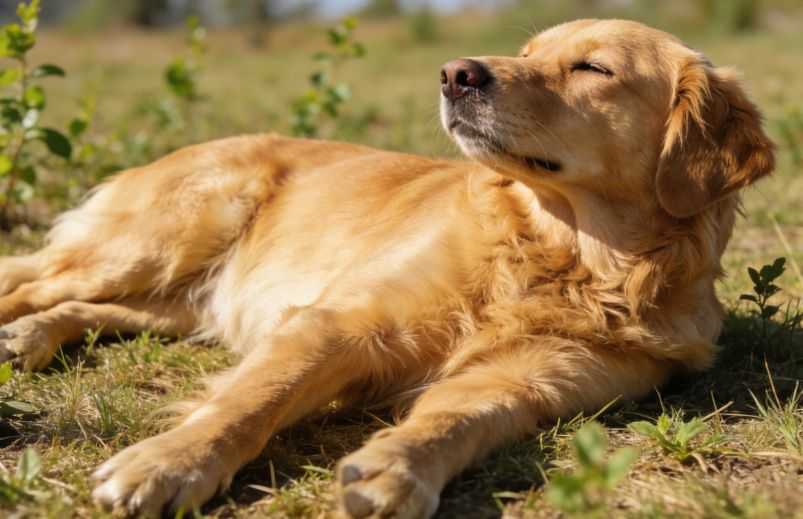
When caring for dogs in the summer,people often focus on preventing flea and tick bites and protecting their paws,but tend to overlook the importance of sun protection.So,can dogs get sunburned like humans?
Can dogs get sunburned?
The answer is yes—if dogs are exposed to sunlight for extended periods,they are highly likely to get sunburned.
All dogs are susceptible to sunburn,but the following conditions significantly increase the risk:Dogs with sparse fur;dogs with white fur;dogs that are hairless or have areas of hairlessness;dogs with low skin pigmentation and lighter skin color;dogs with skin infections,wounds,or surgically exposed or damaged skin;dogs with allergic diseases;dogs with immune-mediated skin diseases(such as lupus)accompanied by hypopigmentation.
Conversely,dogs with thick,dark fur have a natural protective barrier against sunlight and harmful ultraviolet rays.However,these dogs still have areas with sparse fur that are easily exposed to direct sunlight,such as the nose,ears,abdomen,groin,hind legs,and around the eyes,all of which are high-risk areas for sunburn.
Common breeds prone to sunburn include:Chinese Crested Dog,Greyhound,Boxer,Dalmatian,Whippet,and Pit Bull.
Environmental factors also affect a dog's likelihood of sunburn.Unshaded areas with direct sunlight and environments with large bodies of water that reflect light increase the chances of sunburn in dogs.
Do dogs need sunscreen?
Yes,dogs prone to sunburn(or pet owners who want preventative care)should have sunscreen applied.Before applying sunscreen,please note the following:Use only dog-specific sunscreen,such as Lucky Pup sunscreen.Never use human sunscreen on dogs without a veterinarian's permission.
Carefully read the product label.Different sunscreens have different effective protection durations and reapplication frequencies.If your dog swims and is in water for extended periods,reapply sunscreen frequently.
Seek professional guidance if necessary.Consult a veterinarian for advice on sunscreen use.Veterinarians provide professional advice on pet care.

How to tell if a dog has sunburn?
Sunburn in dogs can be easily confused with other skin conditions.Here are some easily identifiable typical signs of sunburn:
Redness and pinkish discoloration of the skin
Localized hair loss
Itching and flaking of the skin
Dry,cracked skin,especially noticeable on the ear tips and nose
Pain and soreness upon touch
Blisters,ulcers,wounds,and rashes on the skin
If your dog exhibits the following symptoms,the sunburn is more severe and requires immediate veterinary attention:
Lethargy and drowsiness
Vomiting and loss of appetite
Dark purple skin or noticeable pigmentation
Ruptured blisters,suppurating open wounds
Fever and dehydration
Persistent,severe pain
Common areas for sunburn in dogs include the bridge of the nose,earlobes,and around the eyes and mouth.If a dog habitually sunbathes on its back,the abdomen and groin are also prone to sunburn.Additionally,sunlight reflected off surfaces can also cause abdominal sunburn,especially noticeable in small breeds like Corgis and Dachshunds.
How to prevent sunburn in dogs?Preventing sunburn in dogs is crucial.Sunburn not only causes pain but can also lead to open wounds,infections,and even serious systemic diseases.Similar to humans,prolonged exposure to sunlight and ultraviolet radiation increases a dog's risk of skin cancers such as squamous cell carcinoma and angiosarcoma.Furthermore,sunburn can exacerbate underlying conditions like autoimmune diseases and kidney disease,while dehydration and infection can further worsen these conditions.
Specific sun protection methods are as follows:
1.Use dog-specific sunscreen.Sunscreen is the core method for protecting your dog's skin from sun damage.Apply it evenly to areas such as the nose(especially lighter-colored areas like the pink nose),ears,abdomen,groin,head,neck,and back.For breeds prone to sunburn,proper application of sunscreen is essential.For other breeds,sunscreen provides good protection during summer outdoor activities.
2.Prioritize shady areas.Providing your dog with ample shade,ensuring they can avoid direct sunlight,effectively reduces the risk of sunburn.Avoid prolonged sun exposure for your dog during peak UV radiation hours(usually 10 AM to 4 PM).Schedule summer walks outside of these times.Avoiding peak UV exposure can prevent sunburn and reduce the risk of heatstroke and other heat-related illnesses.

3.Create Physical Sun Barriers Road surfaces and water reflect sunlight,increasing the risk of sunburn for dogs.Create physical protection for your dog by laying carpets,artificial turf,or using sunshades,cooling dog beds,elevated dog beds,or covered dog beds.Additionally,have your dog wear a sun hat and sun-protective T-shirt to physically block harmful UV rays.
Treatment for Sunburn in Dogs
If your dog shows signs of sunburn,do not administer any medication without consulting a veterinarian.If you discover your dog is sunburned,it is recommended to schedule an immediate veterinary appointment so that a professional can assess the severity of the sunburn and develop a targeted treatment plan.
Veterinarians will typically prescribe painkillers,antibiotics,and appropriate topical medications depending on the severity of the sunburn.Before taking your dog to the vet,if there are no blisters or open wounds on the sunburned area,you can apply a cool compress to the affected area to soothe it.
It is important to note that most aloe vera-related care products for dogs on the market contain other ingredients that may cause aloe vera poisoning in dogs.Do not use these products without a veterinarian's approval.