Information
- Home
- others

Secondhand smoke poses a significant risk to pets,substantially increasing their risk of respiratory illnesses,cancer,heart disease,and other serious health problems.Pet owners need to be fully aware of these risks and proactively take protective measures to safeguard the health of their furry and feathered companions.The following details the specific effects of secondhand smoke on pets and corresponding health protection recommendations.
I.Key Points
-Pets exposed to secondhand smoke have a significantly increased risk of respiratory illnesses,cancer,heart disease,and skin and eye irritation.
-Smoke exposure encompasses both secondhand smoke(smoke suspended in the air)and thirdhand smoke(smoke residue remaining on surfaces,pet fur,and bedding).
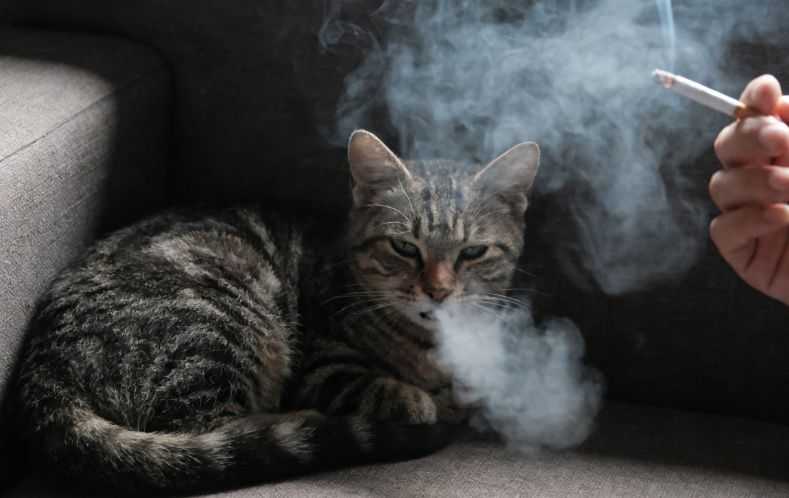
-Dogs,cats,birds,and small mammals are all susceptible to the effects of smoke,with cats and birds facing particularly high health risks.
-The most effective protection is creating a completely smoke-free home environment.
II.Definitions and Differences Between Secondhand,Firsthand,and Thirdhand Smoke
Smokers,smoke-exposed individuals,and pets are affected by smoke through different pathways and to varying degrees.The specific differences between the three are as follows:
(I)First-hand smoke
First-hand smoke refers to the smoke directly inhaled by the smoker.When smoking,the smoker inhales the smoke into their lungs,directly exposing the lungs to high concentrations of toxic chemicals.This direct exposure is a major cause of various smoking-related diseases and health problems.
(II)Second-hand smoke
Second-hand smoke,also known as environmental tobacco smoke(ETS),is a mixture of the smoke exhaled by smokers and the smoke produced by the burning end of cigarettes,cigars,and pipes.This type of smoke contains more than 7,000 chemicals,the vast majority of which are toxic and carcinogenic.Non-smokers and pets inhaling second-hand smoke are exposed to these harmful substances,leading to serious health consequences.
(III)Third-hand smoke
Third-hand smoke refers to nicotine and other chemicals remaining on surfaces and in dust after the smoker has left and the smoke has dissipated.These residues can adhere to surfaces such as furniture,walls,carpets,clothing,and pet hair for a long time.Pets can indirectly come into contact with these toxins by touching contaminated surfaces,licking their fur,and inhaling the volatile chemicals.(IV)Hazards of Other Types of Smoke
The health risks posed by smoke are not limited to tobacco smoke:
-Cannabis smoke:Contains many of the same harmful chemicals as tobacco smoke,including tetrahydrocannabinol(THC).THC can impair a pet's cognitive function and may adversely affect its cardiovascular health.
-E-cigarette smoke:Although the chemical content is lower than that of tobacco smoke,it still contains harmful substances such as nicotine and toxic compounds produced during the heating process.The long-term effects of e-cigarette smoke on pets are not yet fully understood,but potential health risks have been confirmed.
III.Overall Health Hazards of Secondhand Smoke to Pets
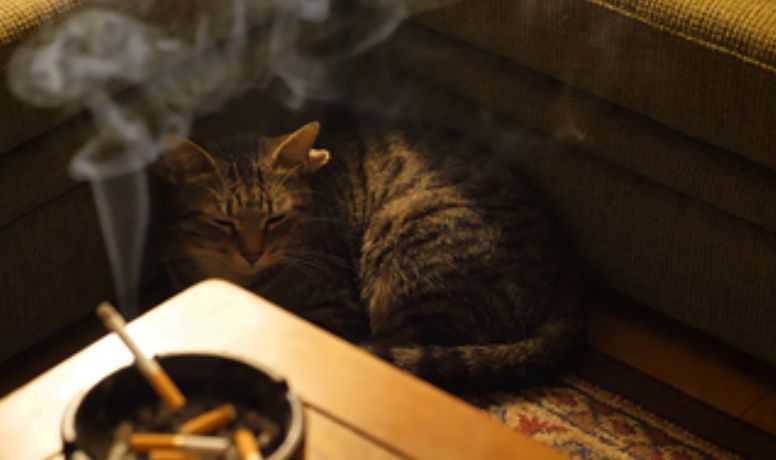
Pets can be exposed to secondhand and thirdhand smoke through various means,including direct inhalation of smoke in the air,ingestion of smoke particles while grooming,and absorption of smoke residue deposited on the skin and fur.Secondhand smoke poses a serious health threat to pets and may induce respiratory diseases,cancer,and other serious illnesses.
Pets with long-term exposure to secondhand smoke have a significantly increased risk of developing the following diseases:respiratory diseases,cancer,allergies,skin diseases,eye diseases,and heart disease.
IV.Specific Effects of Secondhand Smoke on Different Pet Breeds
(I)Dogs
Dogs have a low tolerance for the harmful effects of secondhand smoke.Potential health risks include:
-Respiratory diseases:Smoke irritates the respiratory tract of dogs,causing symptoms such as coughing,sneezing,and wheezing;long-term exposure can induce or worsen asthma and bronchitis.
-Cancer:Research from Colorado State University shows that dogs exposed to secondhand smoke have a higher risk of lung cancer.The risk is particularly pronounced in short-nosed breeds,while long-nosed breeds(such as Collies and German Shepherds)have a higher risk of nasal cancer because smoke particles tend to accumulate in the nasal cavity.Another study from Purdue University showed that dogs exposed to cigarette smoke have a 6 times higher risk of bladder cancer than ordinary dogs.
-Eye diseases:Smoke can cause eye inflammation and conjunctival congestion in dogs.
-Skin diseases:Chemicals in smoke deposit on the fur and skin surface of dogs,causing skin irritation and dermatitis.
-Cardiovascular Problems:Exposure to secondhand smoke can induce cardiovascular disease and increase the risk of heart disease in dogs.
(II)Cats
Cats exposed to smoke face similar health problems to dogs.Due to their shorter nasal bones,they have a higher risk of asthma and lung cancer.Furthermore,secondhand smoke doubles the risk of lymphoma in cats,and the longer they live in a smoking environment,the higher the risk.Lymphoma is a malignant tumor that invades lymph nodes,and the prognosis for cats with the disease is extremely poor.At the same time,cats living in smoking environments have their oral mucosa exposed to carcinogens on their fur when grooming,which may induce oral tumors.
Typical signs of secondhand smoke exposure in cats include:persistent coughing or wheezing,difficulty breathing,red or excessive eye discharge,itchy or inflamed skin,lethargy,loss of appetite,and weight loss.
(III)Exotic Pets(including guinea pigs,ferrets,rabbits,birds,etc.)
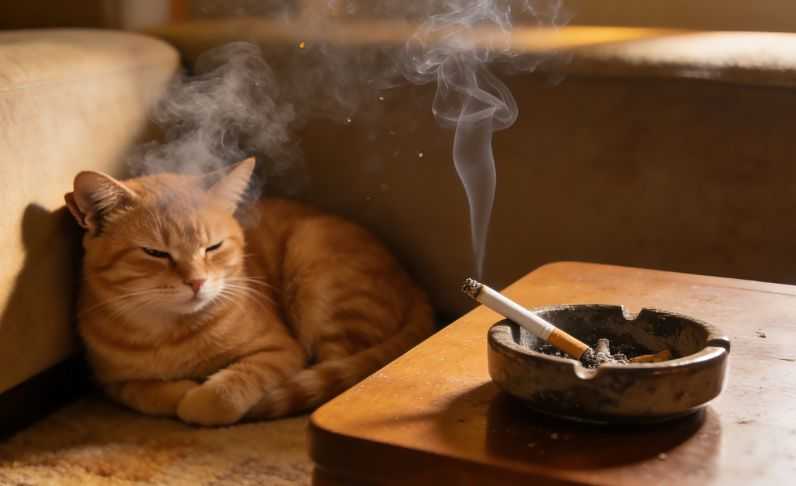
Secondhand smoke exposure has adverse effects on all types of domestic exotic pets:
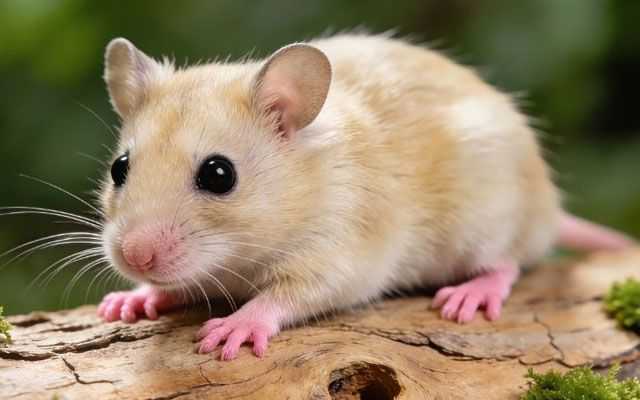
-Ferrets and guinea pigs:Their respiratory systems are relatively sensitive.Exposure to secondhand smoke can easily lead to respiratory diseases such as bronchitis,asthma,and secondary infections.
-Rabbits:Exposure to secondhand smoke can cause respiratory complications.Ingesting smoke particles can disrupt their delicate digestive system,potentially inducing gastrointestinal stasis(slowed digestive motility).
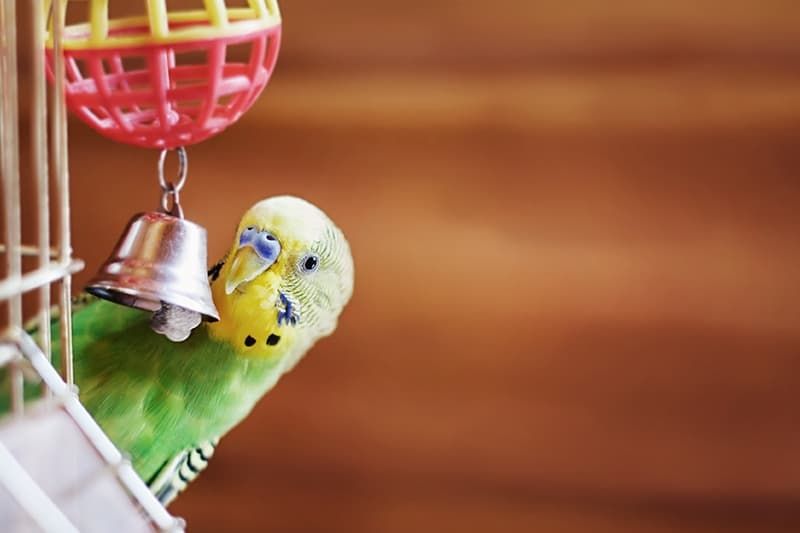
-Birds:Birds have the lowest tolerance for secondhand smoke.Specific harms include:①Respiratory problems:Birds have efficient respiratory systems but are extremely sensitive to toxins in the air.Secondhand smoke can cause chronic respiratory diseases,pneumonia,and in severe cases,sudden death;②Behavioral and skin problems:Smoke exposure can cause stress reactions in birds,leading to abnormal behaviors such as feather plucking,which can then induce complications such as skin infections,feather loss,and even self-mutilation;③Reproductive problems:Long-term exposure can damage the reproductive health of birds,leading to decreased reproductive capacity and reduced egg hatching rates.
V.Prevention Measures for Secondhand Smoke Hazards
The most fundamental way to eliminate the harm of secondhand smoke to pets is for pet owners and family members living with them to quit smoking.Currently,various resources and support systems are available to assist smokers in quitting.If quitting smoking is not immediately possible,the following measures can be taken to reduce pet exposure risks:
-Create smoke-free areas:Designate and strictly enforce smoke-free zones in your home,focusing on the living room,bedroom,and areas where pets frequently spend time.
-Smoking outdoors:Smoke outdoors,away from pets,to reduce the spread of smoke indoors.
-Improve ventilation:Use air purifiers and frequently open windows to improve indoor air circulation.However,note that ventilation alone cannot completely eliminate the risk and should not be the sole protective measure.
-Regularly clean the environment:Frequently clean your home to remove smoke residue;regularly wash pet bedding,toys,and other items to remove attached smoke particles.
-Strengthen health education:Educate family and friends about the dangers of secondhand smoke to pets and work together to create a smoke-free environment.
Secondhand smoke poses a serious health threat to pets,inducing various serious illnesses.Maintaining a smoke-free home environment is crucial to protecting pets'health.
VI.Frequently Asked Questions
1.Is smoking harmful when there are pets in the house?
Yes.Exposing pets to secondhand smoke exposes them to a variety of serious health risks,including respiratory illnesses,cancer,skin and eye irritation,and cardiovascular complications.Pets can be exposed to harmful substances through various means,such as inhaling smoke,ingesting smoke particles while grooming,and absorbing residues through their skin and fur.
2.Is secondhand e-cigarette smoke harmful to pets?
Yes.Although the chemical content in e-cigarette smoke is lower than that in tobacco smoke,it still contains harmful substances such as nicotine and toxic compounds produced by heating.The long-term effects of e-cigarette smoke on pets are not yet fully understood,but potential health risks have been confirmed.Therefore,it is essential to strictly limit pets'exposure to secondhand e-cigarette smoke.