Information
- Home
- others

Pet mice are curious,lively,and gentle,requiring ample mental stimulation to maintain a happy state.Generally,pet mice that are happy and whose needs are met have more stable physical conditions and a lower incidence of stress.
Therefore,to ensure the health of pet mice,owners should focus on creating a rich and diverse living environment and providing sufficient environmental stimulation.
I.What is Environmental Enrichment?
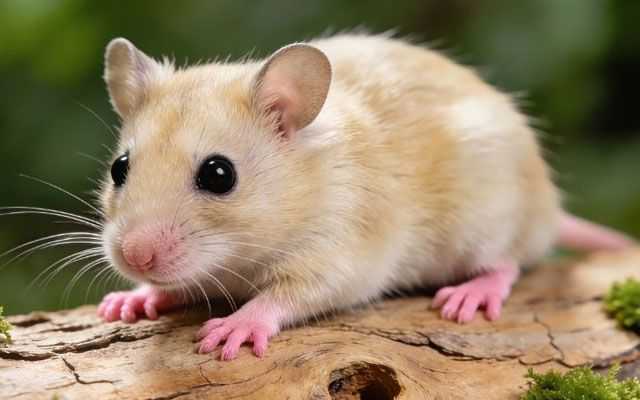
Simply put,environmental enrichment refers to any element that encourages animals to interact positively with their surroundings on both physiological and psychological levels.Generally,environmental enrichment is often manifested as novelty or differences from their daily environment.
Just as humans update their living environment by rearranging furniture,painting walls,and adjusting decorations,animals also gradually adapt to fixed elements in their environment and may even develop boredom.
Consider this from another perspective:if humans are confined to the same space for a long time,they will quickly become bored.Similarly,owners need to create a fun and stimulating living environment for their pet mice to satisfy their exploratory nature.
Currently,some pet owners keep their pet mice in small cages.However,pet mice are naturally curious,and a small,enclosed environment with little variety can easily cause them boredom and anxiety.Since pet mice quickly become familiar with their cage environment,owners must provide a sufficiently varied range of activities to maintain their intellectual activity.
II.How to Maintain the Vitality and Exploratory Interest of Pet Mice?
(I)Group Housing is Recommended;Avoid Solitary Housing
Providing companions for pet mice is one of the effective ways to enrich their living environment.In fact,pet mice maintain a better psychological state when living in small social groups,with groups of 3 to 5 being the optimal choice.
Sole housing of pet mice is not recommended.If currently only one is kept,there will be individual differences in how well it accepts a new companion;if this is your first time keeping a pet mouse,it is recommended to plan a group housing program in advance.
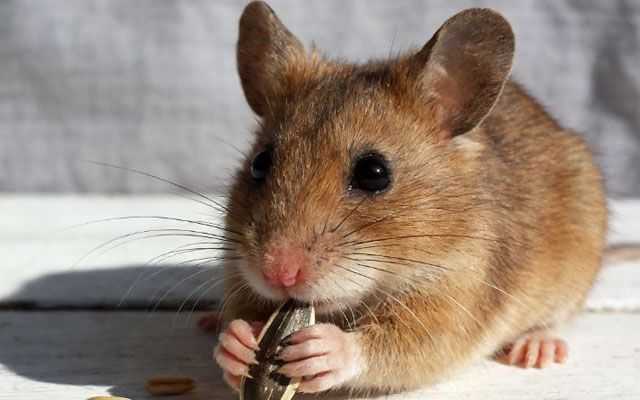
Companions can keep each other company,maintain activity levels,and build small social families through play,cuddling,grooming,and mild competition,enjoying the pleasures of group life.This interaction among companions is irreplaceable by human owners.Even if a pet mouse is relatively friendly towards humans,it cannot be equated with the sense of belonging it has with other mice.
For example,in human social interaction,even when in the same space,having companions and being able to communicate at any time significantly enhances enjoyment.Keeping pets(whether dogs or mice)and having human friends to confide in are fundamentally different emotional needs.Pet mice find satisfaction more easily when living with other mice;group keeping is undoubtedly a simple and efficient way to optimize their living environment.
(II)Choose a large cage and ensure adequate time for upper-visited outdoor activity.
Pet mice are extremely active and can find their own ways to entertain themselves even when unattended.Therefore,choosing a cage with sufficient space to provide ample room for activity and play is crucial for their health.
It is recommended that when keeping three pet mice,a double-layered wire cage at least 3 feet×3 feet×3 feet(approximately 0.9 meters×0.9 meters×0.9 meters)should be used.For example,the MidWest Critter Nation deluxe cage and Prevue Pet Products'cages specifically designed for rodents and chinchillas are suitable choices.
Pet rodents love to climb,but their balance is limited,making them prone to falls.Double-layered cages provide a safe climbing space and a wide field of vision;at the same time,wire cages offer excellent ventilation,effectively reducing the incidence of common respiratory infections in pet rodents.
A spacious double-layered cage can also accommodate various bedding materials and toys,which is crucial for maintaining the mental alertness of pet rodents.For bedding,brands like Carefresh and Kaytee Clean&Cozy,specifically designed for small rodents,are recommended.
In addition to a spacious cage environment,the rodents need several hours of outdoor activity time each day.This activity area should be a closed room designed to prevent escape,and the owner must supervise them at all times.This further enhances mental stimulation and increases the enjoyment of interaction between the owner and the rodents.
(III)Provide Ample Toys and Rotate Them Regularly
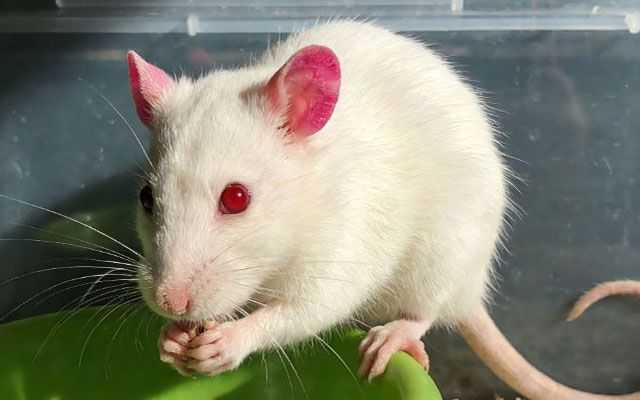
Pet rats are capable of playing with toys and may even create new games with their companions using toys.There are many commercially available specialized rat toys,such as the Kaytee Simple Sleeper play tunnel.If you don't need to pursue brands,you can also make your own toys,which are inexpensive and effective.
Rats enjoy moving around in cardboard boxes with cut-out openings.You can also fill toilet paper rolls with shredded paper or hay as toys;small twigs from pesticide-free apple trees,ping-pong balls,and supermarket paper bags are all excellent choices for homemade toys.
As you can see,there is a wide variety of toys available for pet rats,allowing for ample creativity.The only limitation is the owner's imagination.It is recommended to prepare a variety of toys and rotate them regularly:every few days,place a"new"toy in the cage while removing an old toy,let it sit for several weeks,and then put it back in the cage.The pet rat will treat it as a brand new toy and maintain its interest in exploring it.
Some toys can be kept in the cage as regular items,such as stable running wheels,upside-down flower pots,or other hiding places.However,even these items need to be rotated regularly or their styles changed to maintain their appeal.
(IV)Enriching Environmental Interaction Through Food
It is recommended to use rodent-specific pellet food as the main diet for pet mice.This type of food is similar in form to dog food,in pellet form,and does not contain visible seeds,nuts,or fruits,ensuring a balanced diet.
Owners can scatter and hide the main food in various corners of the cage,guiding the pet mouse to find it.Pet mice are very interested in"food hunting games,"and will actively start exploring once they sense food being placed in their cage.
Snacks can also be given in a similar way,such as placing them in a toilet paper roll filled with hay,or placing a small piece of carrot(about the size of a dime)deep in the bedding.It is important to note that snack intake must be strictly controlled,making up only a very small portion of the daily diet to avoid affecting the intake of main food and the mouse's health.
(V)Pay Attention to the Overall Arrangement of the Living Environment
For safety reasons,pet mice may need to be kept in a cage during the day.However,they can observe the outside environment through the cage,so it is not advisable to place the cage in a secluded corner of the house.
Pet mice like to pay attention to the location and activities of their owners.It is recommended to place the cage in areas where family members frequently move around,such as the living room or TV room.In addition,pet mice are interested in television screens.Owners can play cartoons or other programs for them when they are away at work,providing visual stimulation and reducing their loneliness—a win-win situation.
Novel scents can also attract the attention of pet mice,such as the aroma of popcorn.Occasionally feeding them a small piece of additive-free popcorn can also be a fun interaction.
Maintaining a pet mouse's happy state is not difficult,but it requires continuous effort and creativity from the owner.When you see your pet mouse exploring its living environment with curiosity and joy,all your efforts will be rewarded.Owners can unleash their creativity to create diverse living spaces for their pet mice.