Information
- Home
- others

The average lifespan of most dogs is 10 to 13 years,a figure based on long-term statistics from numerous animal welfare organizations and veterinary associations worldwide(such as the American Kennel Club(AKC)and the World Small Animal Veterinary Association(WSAVA)).However,the actual lifespan of dogs varies significantly,primarily influenced by multiple factors including breed characteristics,size,genetic background,and the level of daily health management.
If you've ever wondered about how to calculate your dog's actual age or how to extend their lifespan,this is a very common question.The traditional formula"dog age=human age×7"has long been refuted by scientific research—the WSAVA's 2019 guidelines for canine age conversion clearly state that a dog's size,breed,and genetic background have a far greater impact on life expectancy than simply adding up ages.Other influencing mechanisms(such as the correlation between size and aging rate)are still being explored by the veterinary community through the accumulation of clinical data.
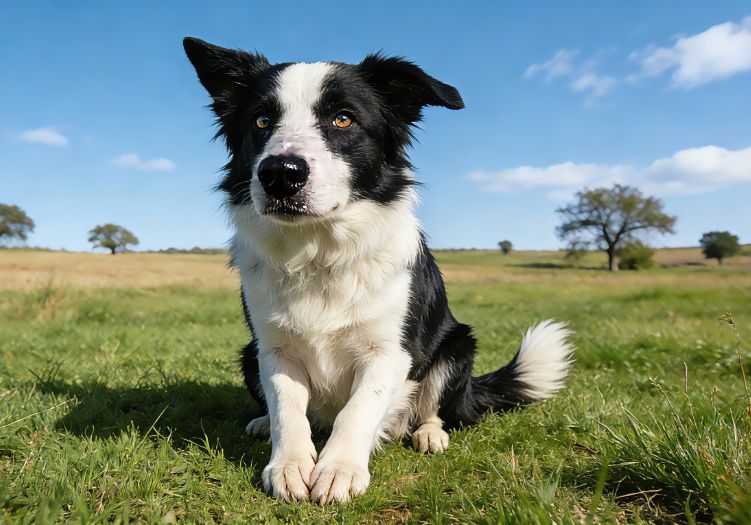
Dogs are among the most diverse mammals in terms of size on Earth,with shoulder height ranging from about 15 centimeters for a Chihuahua to over 80 centimeters for a Great Dane,and weight differences exceeding 50 times.This extreme diversity stems from thousands of years of selective breeding by humans.This breeding process not only shapes physical characteristics but also directly influences the lifespan and health limitations of different breeds,making the 10-13 year average lifespan insufficient to reflect the true differences between breeds.
The most significant pattern is that small dogs generally have a longer average lifespan than medium and large dogs.This phenomenon contradicts the general rule for most mammals that"larger size means longer lifespan,"becoming one of the core issues in canine lifespan research.
Why do small dogs live longer?
The mechanisms underlying the lifespan difference between small and medium/large dogs are not yet fully understood,but two main hypotheses have emerged in the veterinary and animal genetics fields,supported by clinical data:
First,large dogs age faster,with higher cell division and metabolic rates than small dogs,leading to earlier organ aging and disease onset.Clinical data shows that large dogs develop age-related diseases such as cancer and joint diseases 2-3 years earlier than small dogs,and some diseases(such as osteosarcoma and hip dysplasia)have lower cure rates in large dogs,potentially leading to premature euthanasia due to disease progression.Secondly,different breed sizes exhibit innate differences in disease susceptibility.For example,large dogs are more prone to orthopedic and cardiovascular diseases,while small dogs are more susceptible to dental and endocrine disorders,with the former posing a greater threat to lifespan.
Do mixed-breed dogs live longer?
The answer is yes.On average,mixed-breed dogs live 1-2 years longer than purebred dogs.This conclusion comes from a large-sample statistical study published in the*Journal of Veterinary Internal Medicine*.The core reason lies in"hybrid vigor"—purebred dogs need to stabilize their breed characteristics through inbreeding,a process that increases the probability of recessive genetic diseases(such as hip dysplasia in Golden Retrievers and valvular heart disease in Cavalier King Charles Spaniels,both common genetic diseases in purebred dogs).
Mixed-breed dogs,due to their complex lineage,have a very low probability that both parents carry the same recessive disease-causing gene,thus significantly reducing the risk of genetic diseases.Furthermore,the artificial selection traits of some purebred dogs inherently present health risks:Brachycephalic breeds(such as English Bulldogs and French Bulldogs)are prone to breathing difficulties and heatstroke due to skull deformities,narrow tracheas,and short nasal cavities,resulting in an average lifespan 2-3 years shorter than non-brachycephalic breeds of the same size;long-bodied,short-legged breeds like Dachshunds,due to abnormal spinal stress,have a higher probability of intervertebral disc herniation in old age,exceeding 60%,severely impacting their quality of life and lifespan.
Lifespan and Breed Characteristics of Dogs of Different Sizes
Small Dogs:The Longest-Living Group
Small dogs(weighing≤10 kg)have an average lifespan of 10-15 years,with some breeds even exceeding 18 years,making them the longest-living group among dogs.However,along with their longevity,small dogs also face specific age-related health risks,including dental diseases(tartar,periodontitis)with an incidence rate exceeding 80%(WSAVA dental guidelines data).If neglected for a long time,this can lead to bacteremia,increase the burden on the liver and kidneys,and induce complications.In addition,small dogs are prone to liver disease,hyperadrenocorticism,degenerative heart disease,and pancreatitis in their senior years,requiring targeted screening.
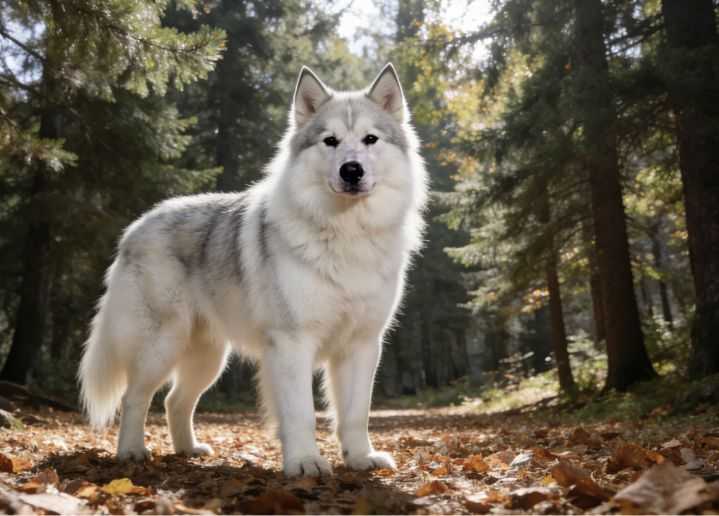
Common Small Dog Breeds and Average Lifespan(Data Source:Joint Statistics by AKC and WSAVA):
-Chihuahua:14-16 years old,with a maximum lifespan of 20 years.Prone to hypoglycemia and heart murmurs.
-Pomeranian:12-16 years old.Be alert for cataracts and patellar dislocation.
-Yorkshire Terrier:11-15 years old.Common diseases include periodontal disease and tracheal collapse.
-Shih Tzu:10-18 years old.Prone to corneal ulcers and kidney disease in senior years.
Medium-sized dogs:Lifespan close to average
Medium-sized dogs(weighing 10-25 kg)have an average lifespan of 10-13 years,closely matching the overall average lifespan of dogs.However,significant differences remain between breeds—breeds with low predisposition to genetic diseases and balanced body structure can live beyond 16 years,while breeds with congenital structural defects have shorter lifespans than average.
Common medium-sized dog breeds and their average lifespans:
-French Bulldog:10-12 years.Due to its brachycephaly,it is prone to respiratory difficulties and skin diseases.
-Cocker Spaniel(American Cocker Spaniel/English Cocker Spaniel):10-14 years.Screening for ear mites and cataracts is required.
-Bulldog(English Bulldog):8-10 years.Shorter lifespan,prone to hip dysplasia and respiratory diseases.
-Boxer:10-12 years.Higher incidence of cancer in old age;regular checkups and screenings are required.
Large Dogs:Lifespan Slightly Shorter Than Average
Large dogs(weighing 25-45 kg)have an average lifespan of 9-12 years.They age faster than small dogs,entering senior years after 6-7 years.Common diseases are concentrated in orthopedics and oncology.Clinical data shows that breeds such as Golden Retrievers and Bernese Mountain Dogs have a cancer incidence rate exceeding 50%,a major cause of their shortened lifespan.Additionally,due to their large weight,large dogs experience severe joint wear and tear,with a senior arthritis incidence rate exceeding 70%,affecting their mobility and quality of life.
Common Large Dog Breeds and Average Lifespan:
-Golden Retriever:10-12 years,high incidence of lymphoma and hip dysplasia.
-Rottweiler:9-10 years,prone to heart disease and elbow dysplasia.
-Belgian Malinois:14-16 years,excellent lifespan among large dogs,but prone to sports injuries.
-Bernese Mountain Dog:7-10 years,extremely high cancer incidence,generally shorter lifespan.
Giant Dogs:The Shortest-Living Group

Giant dogs(weighing≥45 kg)have an average lifespan of only 8-10 years,the shortest of all dog breeds.Their aging process is extremely rapid—breeds like Great Danes and Irish Wolfhounds are considered senior dogs after age 6,equivalent to over 60 years old in humans.The core health threats to giant dogs are bone cancer(osteosarcoma),neurological diseases,and joint diseases.Due to their large size,these diseases are more difficult to treat,resulting in poorer prognoses.
Common Giant Dog Breeds and Average Lifespans:
-Great Dane:7-10 years,high incidence of cardiomyopathy,bone cancer,and frequent joint problems.
-Irish Wolfhound:6-8 years,one of the shortest-lived dog breeds,prone to dilated cardiomyopathy.
-Newfoundland:9-10 years,be wary of hip dysplasia and hypothyroidism.
-Saint Bernard:8-10 years,due to their large size,they bear a heavy burden on the respiratory and cardiovascular systems.