Information
- Home
- others
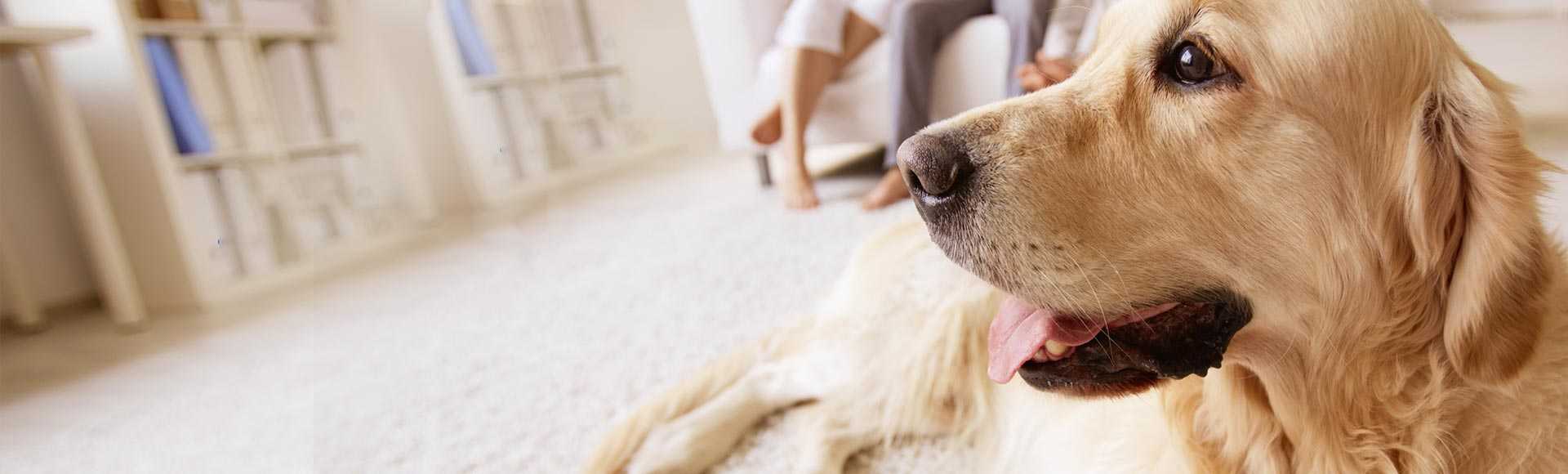
When arranging the first meeting of two dogs,proper preparation and scientific guidance are crucial.This not only ensures the dogs'safety but also allows the owner to more easily assist in establishing a good relationship.Never rush to unleash the dogs on their own during the first meeting;this poses safety risks.A gradual introduction process is the best way to build a solid friendship between the dogs.Below is a detailed explanation of the correct method and related precautions for a dog's first meeting.
Core Principles
The initial introduction of dogs should follow the principles of slowness,order,and relaxation to avoid putting pressure on either dog.
Maintaining a safe distance and walking side-by-side are core principles for the first meeting.
It is essential to observe the dogs'body language comprehensively;do not rely solely on tail wagging to judge their state.
Not all dogs crave or need companionship;this is a normal individual difference,and the dog's own wishes should be respected.
The Importance of the First Dog Introduction
If two dogs need to share the same space,a gradual and positive introduction is key to cultivating their friendship.A scientifically sound introduction method can effectively increase the probability of dogs getting along harmoniously and establishing a positive relationship.
At the same time,it's crucial to fully consider the different interests dogs have in meeting other dogs.Some dogs are enthusiastic about interacting with companions,while senior dogs or puppies that didn't receive sufficient socialization may not need or crave companionship.Owners must make decisions that are best for their dogs based on their individual personalities.
Standard Procedure for a Dog's First Meeting
The following steps ensure the safety of both dogs involved in the meeting and help them get to know each other more pleasantly.

1.Prepare Appropriate Equipment
Equip both dogs with sturdy leashes,such as Martingale collars or harnesses,along with a 6-foot(approximately 1.8-meter)leash to prevent them from escaping.Elastic(retractable)leashes are not recommended,as they are prone to loosening or breaking under stress,compromising safety.Also,keep a small amount of the dog's favorite treats in your pocket to reward calm and friendly behavior,reinforcing positive feedback.
2.Choose a Neutral Venue
The initial introduction should be held in a large outdoor area where neither dog has a strong sense of territory,meaning neither has"claimed"the area through frequent lingering or scent marking.Ideally,the venue should be spacious enough to ensure a safe distance of at least 30 feet(approximately 9 meters)between the dogs during the initial meeting,avoiding tension caused by cramped space.
3.Closely Observe Body Language
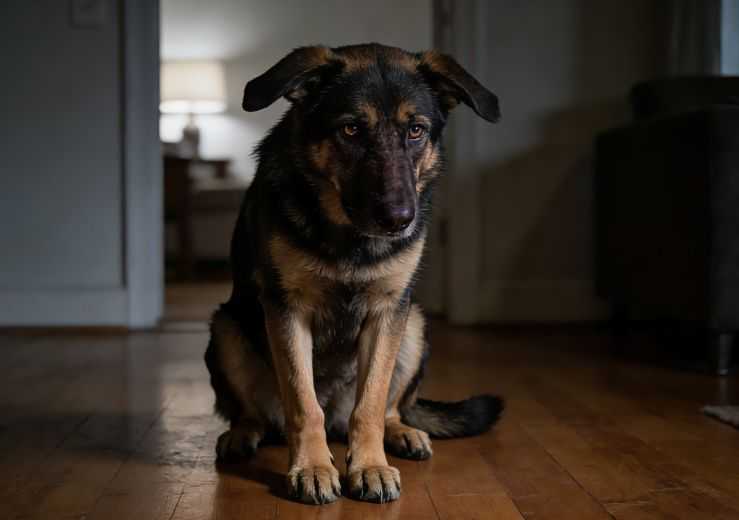
The owner should be familiar with the dogs'body language cues so that appropriate measures can be taken promptly if either dog overreacts or shows discomfort.If a dog is uneasy about the meeting,it may exhibit the following behaviors:staring intently at the other dog with a fixed gaze,baring its teeth,erect fur on its back,a high-held tail with frequent twitching,stiff gait,growling,or barking.
If any of these behaviors occur,the introduction process should be immediately stopped,and the suitability of continuing the meeting should be reassessed.Ideally,the dog should display relaxed and composed body language and frequently pay attention to the owner.
4.Maintain a Positive and Pleasant Atmosphere
The owner's behavior has a profound impact on the dog's state,so it's essential to maintain a positive and optimistic attitude throughout.When the dog actively looks at the owner,promptly offer verbal praise and treats to reinforce its calm state and create a relaxed interactive atmosphere.
5.Practice Parallel Walking
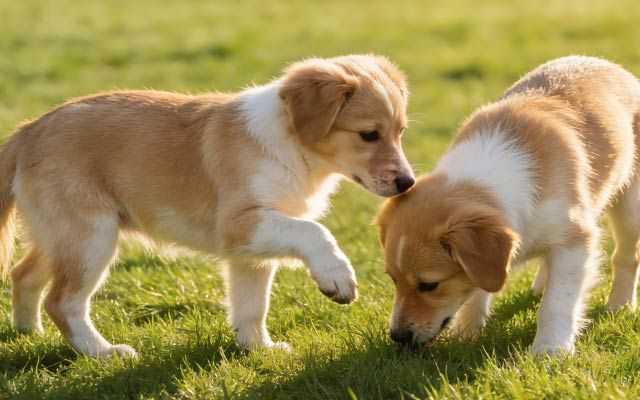
Initially,both owners should lead their dogs side-by-side,maintaining a distance of at least 30 feet(approximately 9 meters).This allows the dogs to perceive each other's presence without causing distraction or tension due to excessive closeness.Lead the dogs in the same direction,and promptly offer treats and praise when the dog's attention shifts from the other dog to the owner.
The key is to respect the dogs'rhythm,allowing them to signal to the owners that they are"ready to close the distance,"highlighting the importance of observing body language.
6.Switch Walking Positions
Once the two dogs can walk calmly within the established distance,the owners can switch positions(while still maintaining a safe distance of 30 feet),allowing each dog to sniff the area the other has just passed.Allow dogs to examine each other's excrement,as the scent in urine conveys important kinship information and is one of the ways dogs socialize.
7.Gradually Reduce the Safe Distance
If both dogs remain relaxed and occasionally pay attention to their owner,slowly reduce the distance between them while continuing to walk side-by-side.Note that as the distance closes,the dogs'reactions may change.If they become overly excited,return to a comfortable distance for both to regain composure.
The ultimate goal is for the dogs to walk side-by-side.However,if this isn't achieved in a single introduction,don't rush it.Repeat parallel walking training sessions until both dogs are calm enough before gradually increasing the distance.Again,focus on the dogs'state and let them lead the pace of distance adjustments;observing body language remains crucial.
Once both dogs are fully comfortable with close proximity,allow them to greet and sniff each other.After a brief initial contact,continue walking side-by-side on a leash to reinforce the positive interaction experience.
Additional Tips for Dog Meetings
The following suggestions can further improve the success rate of a dog's first meeting and ensure safe interaction:
This method of meeting is not suitable for dogs with behavioral problems,such as overreacting when on a leash,being prone to fighting with other dogs near enclosures,or seeing another dog from a distance,which may trigger inappropriate reactions.A separate guidance plan needs to be developed.
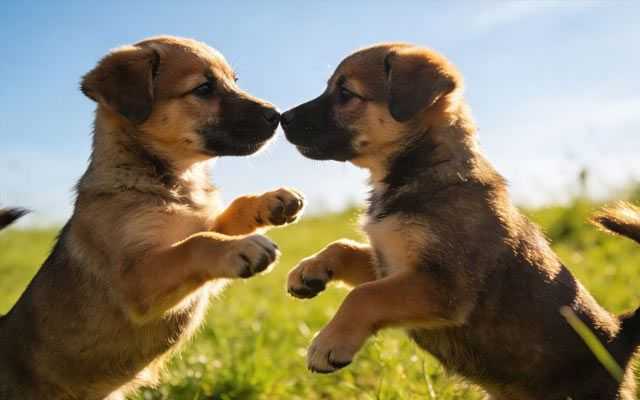
Avoid arranging for the two dogs to meet face-to-face.This method can put too much stress on the dogs and does not conform to their natural socialization habits.This is why walking side-by-side is the core method.
If the owner has doubts about the dogs'interactive behavior or cannot interpret the meaning of their body language,it is recommended to seek assistance from a professional behaviorist or dog trainer to ensure the safety of both dogs.
Frequently Asked Questions
Q:What is the safest way to introduce two dogs?
A:Walking side-by-side in a neutral outdoor location,maintaining a safe distance,is the safest initial method.This allows the dogs to observe each other in a stress-free environment and gradually build comfort.
Q:Can the leashes be removed during the first meeting?
A:It is not recommended to remove them.The initial meeting should be conducted with dogs on a leash to ensure the safety of both dogs and allow the owner to intervene promptly in case of emergencies.
Q:How long does it take for dogs to adapt to each other?
A:There is a significant individual difference.Some dogs adapt within minutes,while others require several days or even weeks of repeated exposure.It's important to respect each dog's own pace and avoid rushing the process.
Q:When should I seek professional help?
A:If either dog exhibits fear,overreaction,or aggression,contact a certified dog trainer or veterinary behaviorist immediately for professional guidance to ensure a safe meeting.