Information
- Home
- others
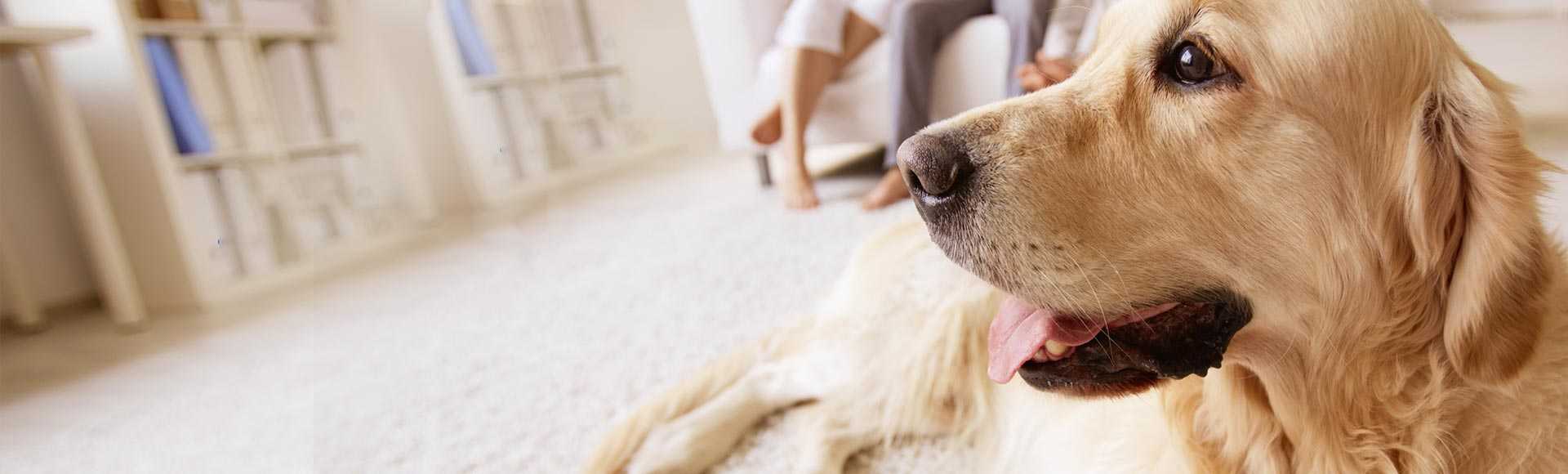
A variety of products designed to assist pets with mobility have emerged on the market,with dog ramps and stairs becoming a top choice for many pet owners due to their significant health benefits.These products effectively ensure the safety of dogs during activities,maintaining their joint health and overall well-being.Pet owners need to closely observe their dogs'behavior when getting in and out of vehicles and climbing furniture to determine if they need assistance and then select products that meet their physiological needs.
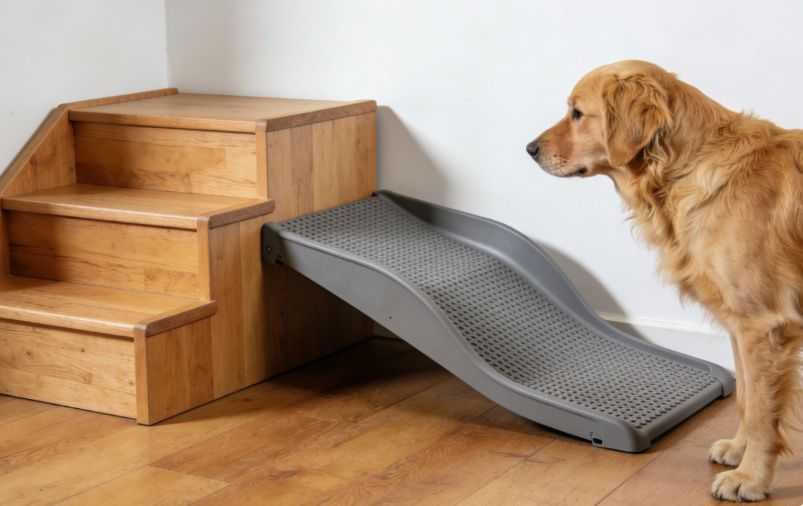
I.Definition and Core Functions of Dog Ramps and Stairs Dog ramps and stairs are assistive walking tools specifically designed for dogs.Their core function is to help dogs easily reach higher spaces above the ground(such as vehicles,sofas,beds,etc.)by creating gentle pathways,reducing the difficulty of climbing and minimizing physical strain.
II.Core Health Benefits of Dog Ramps and Stairs The health benefits of these products for dogs primarily focus on joint protection,specifically in the following aspects:Frequent jumping between high places and the ground can damage a dog's joints,especially for dogs with arthritis.The impact of jumping can easily lead to ligament sprains and accelerate the wear and tear of articular cartilage(the natural protective barrier within the joint).Long-term accumulation can cause severe joint pain,requiring veterinary intervention or pain medication to alleviate discomfort.
In addition to ramps and stairs,pet owners can choose single-step stairs depending on the dog's comfort level;if support is needed for the dog to go up and down stairs or climb heights at home,a dog harness with adjustable height is also an effective option.
III.Core Scenarios Where Dogs Need Assistive Mobility Tools
Dogs'need for assistive tools such as ramps and stairs primarily stems from the following situations:
***Age Factors:**As older dogs age,their joint function gradually declines.Climbing to heights can lead to increased joint pressure,exacerbated pain,and reduced mobility,requiring assistive tools to reduce the burden on their movements.
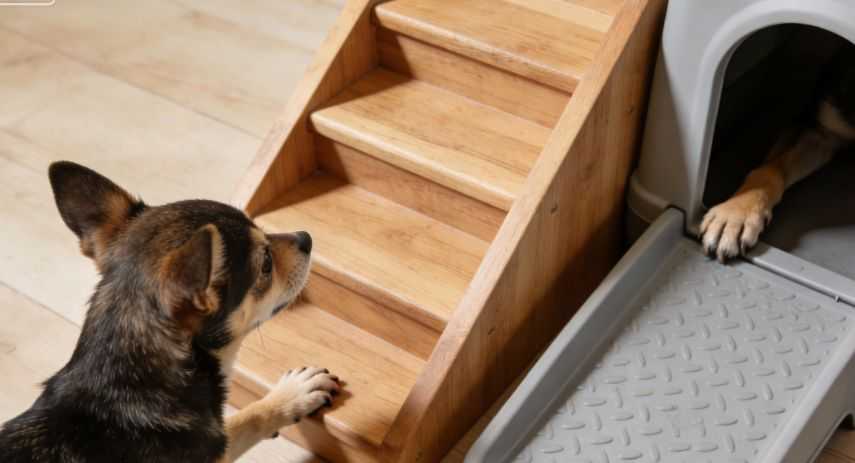
***Mobility Impairment:**If a dog is diagnosed with conditions affecting motor function such as intervertebral disc disease(IVDD)or patellar luxation,they will face significant difficulties getting on and off beds,furniture,and entering and exiting vehicles,requiring assistive tools for support.
***Post-operative Rehabilitation:**After hip,leg,or other related surgeries,dogs in the recovery period have limited mobility and require canine stairs or ramps for additional support to ensure safe movement during rehabilitation.
IV.Comparison and Adaptation Recommendations for Dog Ramps and Stairs
The core purpose of dog ramps and stairs is the same—to help dogs easily reach higher places.However,there are significant differences in their structural design and applicable scenarios:
Dog stairs require dogs to actively climb,which still puts some pressure on their legs and joints.
Dog ramps,with their gentle slope design,allow dogs to walk up and down naturally,avoiding impact loads on their joints and providing better joint protection.
In addition,the product characteristics of the two differ as follows:Comparison Dimensions:Dog Stairs vs.Dog Ramps
Structural Characteristics:Varying numbers and depths of steps,diverse materials,some with padding or non-slip surfaces.Primarily foldable and retractable designs,mostly with non-slip surfaces,including subcategories such as bed and car models.
Portability:Larger size,less portable.Foldable design,better portability.
Suitable Size:More suitable for small dogs.More suitable for medium and large dogs,with better joint protection.
Special Health Considerations:Not recommended for dogs with joint inflammation or back problems.Recommended for dogs with joint inflammation or joint/back problems.
Pet owners can select suitable products through veterinary recommendations,or research market product information in advance and discuss the selection with the veterinarian during follow-up visits;in some cases,it is necessary to try multiple products to determine the type that best meets the dog's comfort needs.
V.Core Principles and Adaptation Methods for Product Selection
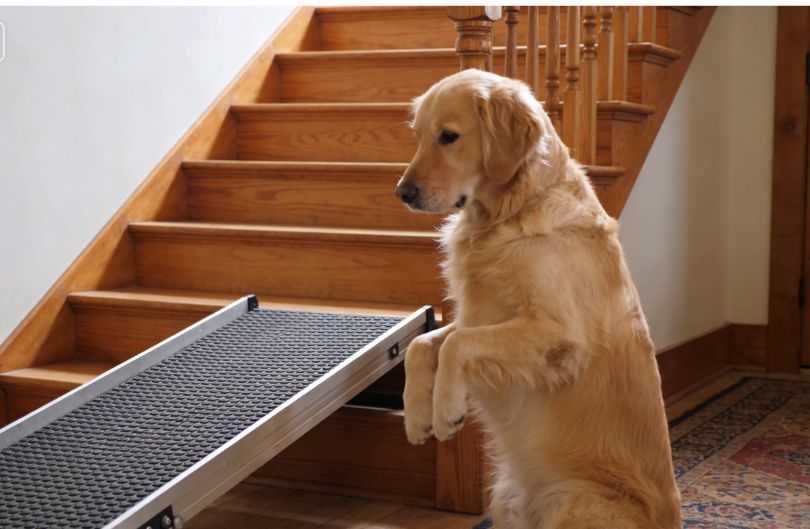
Multi-Scenario Adaptation:It is recommended to configure various assistive tools in different areas of the home to provide dogs with diverse options and ensure their comfort in various scenarios.
Adaptation Guidance:Dogs need an adaptation period to using stairs or ramps,and some dogs may experience fear or anxiety.If a certain type of product is not well-suited,an alternative can be used(such as stairs or ramps with deeper steps or non-slip mats)to reduce the risk of slipping and improve adaptability.
Professional Consultation:Always consult a veterinarian before selecting a product.The veterinarian can provide a professional analysis of the product's advantages and disadvantages based on the dog's age,size,health condition,and other individual characteristics to help make an accurate decision.
VI.Frequently Asked Questions(FAQ)
Does my dogprefer stairs or ramps?
Dogs have individual differences in product preferences.Pet owners need to try different types of products to select the style that best suits their dog's usage habits and comfort needs.
Besides ramps,what other alternative assistive tools are available?
Besides ramps,single/multi-step stairs or a support sling(placed under the dog's abdomen)can be used to assist the dog in reaching higher places.
What are the core advantages of dog ramps?
Core advantages include:a gentle slope,reducing stress and impact on joints;a foldable design for better portability than stairs;and wide applicability,suitable for various height access needs.
Which is more suitable for your dog:steps or ramps?
Suitability depends on the dog's health,size,and mobility.Consulting with a veterinarian is crucial to determining the optimal choice.