Information
- Home
- others
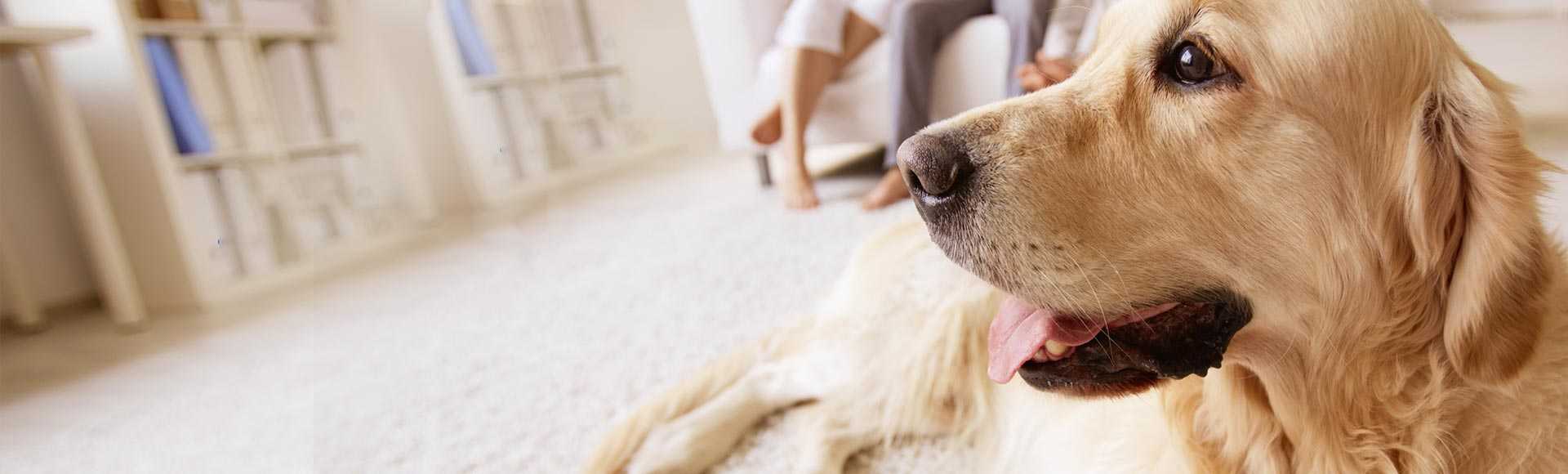
Dogs convey their emotions through body language—including ear posture,eye expression,mouth position,body posture,and tail movement.Understanding these signals helps prevent aggressive behavior in dogs caused by fear or stress,and also strengthens the emotional bond between owner and dog.
While dogs cannot communicate verbally,their body language constantly conveys information.The key issue is that humans often misunderstand these signals,focusing only on single actions like tail wagging while ignoring the overall behavioral context,leading to biased judgments.
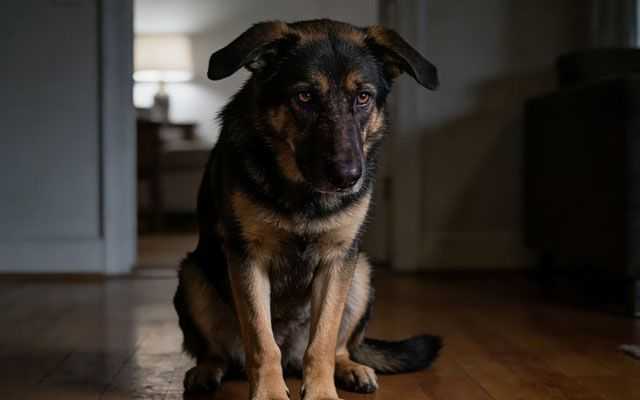
Learning to interpret canine body language helps owners accurately determine whether their dog is relaxed,tense,fearful,or preparing for a stress response,allowing for appropriate interventions to ensure the safety of both owner and dog.
Key Points
-Interpreting canine body language requires considering the overall behavioral context;do not rely solely on single signals like tail wagging.
-Tail wagging does not always indicate a dog's happiness;it must be analyzed in conjunction with other body language.
-Dogs often release stress and fear signals before exhibiting growling or aggressive behavior.
-Early recognition of a dog's discomfort can effectively prevent situations from escalating into conflict.
-While each dog is an individual,most follow similar body language patterns.
Dog Body Language in a Relaxed State
(Illustration of a dog's relaxed body language)
A relaxed dog will focus on its surroundings,its body posture will be relaxed,and its tail will wag naturally.When a dog displays this type of body language,it usually indicates that it is in a happy mood.
-Ears:Remain in their natural physiological position;in erect-eared breeds,the ears stand erect,while in droopy-eared breeds,the ears droop slightly forward.
-Eyes:The gaze is soft and relaxed,the forehead is not wrinkled,and the facial expression is relaxed.
-Mouth:The lips are naturally closed,without any tension;the mouth may open during activity,accompanied by relaxed panting.
-Tail:Swings widely,at the same height as the spine;the tail may be slightly raised and swaying during play.
A relaxed dog's overall posture is supple,and its movements have a slightly light,swaying quality.Some movements may appear slightly exaggerated,especially noticeable during play.
Body Language of Alert Dogs
(Illustration of alert dog body language)
An alert dog actively observes its surroundings to gather more information and prepare for potential changes.
-Ears:Erect and extended forward(for droopy-eared breeds,observe the tension at the base of the ears).
-Eyes:Pupils wide open,gaze focused,forehead relaxed naturally.
-Mouth:Naturally closed,lips and muzzle without muscle tension.
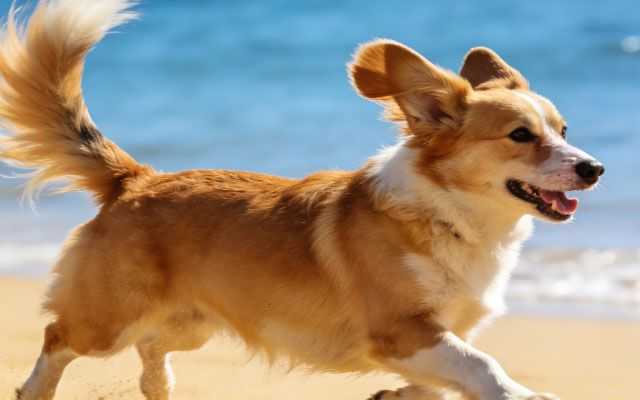
-Tail:Extends horizontally from the body,level with the spine,possibly with a slight wag.
The overall posture of this type of dog is with all four limbs evenly on the ground,in a"ready"state,ready to take the next action at any time.
Body Language of Dogs in a Tense or Anxious State
(Example of tense or anxious dog body language)
Dogs feeling tense or uncomfortable often exhibit body postures similar to those of anxious dogs,and may also display behaviors known as"soothing cues."These actions are soothing or distraction behaviors designed to help the dog calm itself and alleviate escalating tension.
Common soothing cues include:
-Actively averting gaze to avoid eye contact;
-Turning away from the stimulus;
-Moving in circles;
-Slowing down and reducing the amplitude of movements;
-Frequent yawning;
-Freezing the body;
-Licking lips;
-Smacking lips;
-Focusing on sniffing the ground;
-Raising one front paw;
-Frequently scratching itself;
-Shaking its body as if it were wet.
A stressed dog will usually actively avoid eye contact or briefly look at the stimulus before quickly looking away.Anxious dogs may exhibit exaggerated yawning,sneezing,frequent lip licking,or may shake their bodies as if they were wet,excessively focus on self-grooming,or scratch frequently.
Dog Body Language in a Fearful State
(Illustration of dog body language in a fearful state)
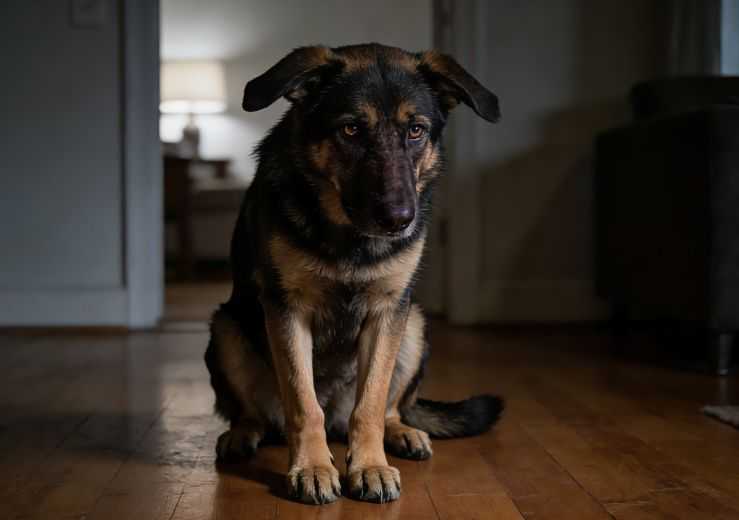
A dog in a fearful state will have stiff body language,possibly exhibiting a hunched back,bent back,and head close to the ground,in order to reduce its presence.
-Ears:Pressed tightly against the sides of the head.
-Eyes:Head turned away from the stimulus,but eyes slanted towards it,showing the whites of the eyes,commonly known as"whale eyes."
-Mouth:Lips may be tightly closed,corners of the mouth pulled back,or panting may occur without fever or increased activity.
-Tail:Tucked between legs,close to the abdomen,while the body's center of gravity shifts backward,away from the potential stimulus.
These dogs exhibit a stiff and low-hanging posture,and may experience increased hair loss under stress.
Soothing Body Language
(Illustration of soothing body language in dogs)
What was previously defined as"submissive"behavior is now uniformly referred to as soothing body language.Through these actions,dogs attempt to appear smaller and less threatening to alleviate the other party's defensiveness.They may lower their bodies to the ground or even roll onto their backs,exposing their bellies.
-Ears:Pressed tightly back against the head.
-Eyes:Actively avoids eye contact,eyelids slightly narrowed.
-Mouth:Muscles around the mouth and nose tense,corners of the mouth pulled back,revealing front teeth,forming a"smile"-like expression,i.e.,a"soothing smile,"essentially a submissive signal;may also frequently lick the area around the mouth and nose.
-Tail:Tucked between legs or lowered,accompanied by a slow but powerful wag.
Dogs may also convey soothing signals by raising their front paws,with the overall movement slow and gentle,the body's center of gravity shifted backward,further reducing their sense of threat.
Dog Body Language with Aggressive Tendencies
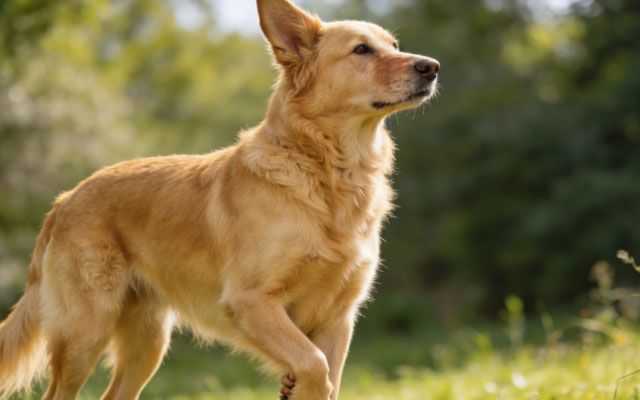
(Examples of Aggressive Dog Body Language)
Aggressive behavior in dogs is categorized into 11 different types,covering predatory aggression,fear-based aggression,etc.Generally,dogs exhibiting aggressive body language are prepared to retaliate against the stimulus.
-Ears:The posture varies depending on the cause of the attack and must be judged in conjunction with the overall body posture.Dogs exhibiting fear-induced aggression typically have ears pressed tightly against their heads;dogs with confident aggression will have ears erect and spread forward or to the sides.
-Eyes:The gaze is fixed intently on the stimulus,with a sharp and determined look,and noticeable wrinkles appear on the forehead.
-Mouth:The muscles around the mouth and nose are tense;wrinkles may appear on the muzzle,or the upper lip may be raised,revealing teeth,sending a deterrent signal.
-Tail:This needs to be analyzed in conjunction with overall body language.Dogs exhibiting fear-induced aggression may have their tails lowered or tucked between their legs before an attack,and raised during the attack;dogs with confident aggression will hold their tails high above their heads,accompanied by rapid side-to-side wagging.
Dogs with aggressive tendencies exhibit stiff and tense body language,with minimal movement.Their fur may stand on end(commonly known as"hair stand-up"),especially on the shoulders and along the sides of the spine at the base of the tail.Their center of gravity shifts forward,assuming a stiff"attack ready"posture,ready to attack at any moment.
In conclusion,by comprehensively observing a dog's body language and considering the overall behavioral context,we can accurately understand the emotions and intentions it conveys,and then take targeted measures to maintain the safety of human-dog interactions.