Information
- Home
- others

While sterilization benefits for dogs and cats are widely recognized—preventing pregnancies and heat-related behaviors through ovary and uterus removal—the case for guinea pigs demands specialized attention.Dr.Mariana Sosa Higareda,a zoological medicine specialist at the University of Illinois Veterinary Teaching Hospital,advocates elective ovariectomy in young,healthy females as critical preventative care."Historically,anesthesia risks limited routine spays,"she notes,"but emerging evidence confirms high spontaneous reproductive disease rates,and modern flank surgery minimizes hazards."
Reproductive Health Risks
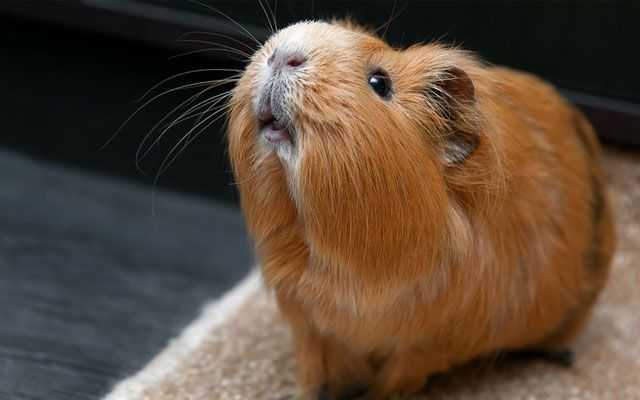
Reproductive disorders strike guinea pigs more frequently than owners anticipate,ranking as the third-leading cause of vet visits.Ovarian cysts impact over 50%of females per multiple studies,while uterine pathologies like tumors and endometrial hyperplasia are equally prevalent.Unlike dogs or cats,however,spaying guinea pigs lacks proven reduction in mammary tumor incidence—underscoring species-specific nuances.
Optimal Timing and Technique
Dr.Sosa Higareda recommends early ovariectomy via the bilateral flank approach:small dorsal incisions aligned with ovarian anatomy.This method removes ovaries while preserving the uterus unless pathology necessitates full excision(ovariohysterectomy).Key advantages include:
Risk Reduction:Prevents cysts,tumors,and infections
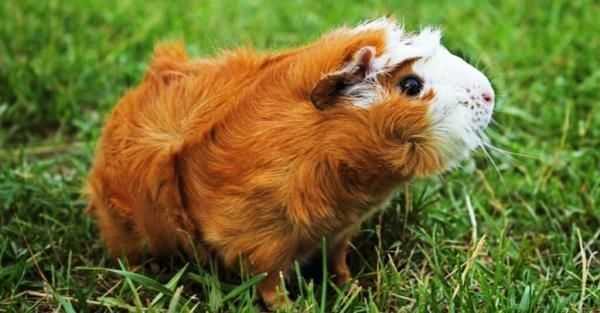
Technical Efficiency:Shorter anesthesia,minimal soft-tissue disruption
Complication Mitigation:Lower odds of gastrointestinal interference versus traditional abdominal surgery
Surgical Challenges and Solutions
Guinea pigs'unique digestive anatomy complicates standard procedures.As hindgut fermenters,their oversized cecum—often distended with fermenting matter—obstructs visibility and organ access during mid-abdominal operations.This elevates risks of:
Post-operative pain
Anorexia
Gastrointestinal stasis(digestive slowdown)
The flank approach bypasses these by avoiding abdominal cavity entry,instead accessing ovaries directly through the back.
Post-Operative Care Essentials
Effective pain management accelerates recovery through multimodal strategies:
Local anesthetic blocks at incision sites
NSAIDs(e.g.,meloxicam)and opioids(e.g.,buprenorphine)
Targeted icing to reduce swelling
Prompt post-surgery feeding is critical to prevent stasis."Nutritional support maintains gut motility,"emphasizes Dr.Sosa Higareda,"making early appetite resumption non-negotiable."
For tailored guidance,consult a zoological medicine veterinarian.