Information
- Home
- others

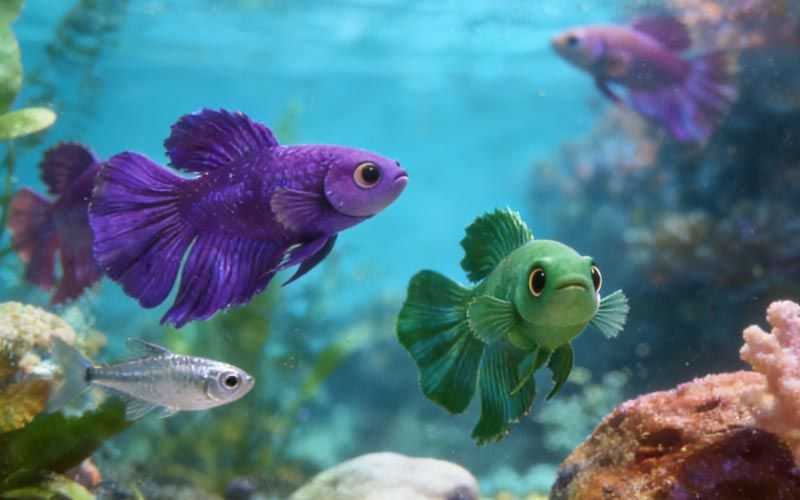
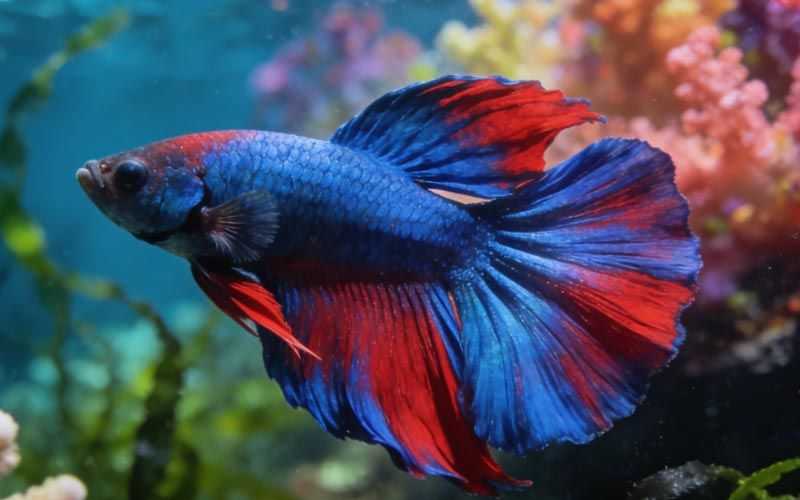
Betta fish are an ideal choice for beginners keeping pet fish.These fish are gentle,swim at a slow pace,and require less space compared to most ornamental fish.
To ensure your betta fish stays healthy and thrives,you should prepare the following basic supplies in advance:
A suitable aquarium
Specialized fish food(both dry and frozen)
Aquarium decorations
Water quality test strips or kits
Water conditioner
Fish net
Freshwater substrate
Aquarium filter
Aquarium heater
Freshwater aquarium salt
Betta Fish Housing Setup
1.Aquarium Size and Layout Requirements
The tank volume for a single betta fish should not be less than 1 gallon(approximately 3.8 liters).Betta fish have a physiological habit of surfacing to breathe;however,they tend to jump out of the tank.Therefore,sufficient space must be provided under the tank lid for them to surface and breathe.
2.Mixed-species tank management rules
Male Betta fish:Should be kept alone,with a tank of 1 gallon or more recommended.If planning to keep them in a mixed-species tank,two conditions must be met:firstly,the tank volume must be at least 10 gallons(approximately 38 liters);secondly,the tank must not contain aggressive fish or species easily attacked by Betta fish(such as guppies).
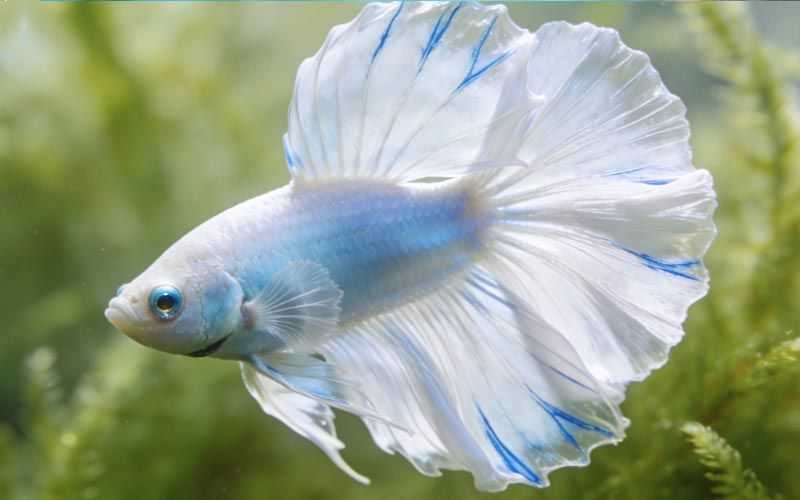
Female Betta fish:Can be kept with other peaceful fish species,or in groups with other female Betta fish of similar size.If adopting a group rearing model,the tank volume needs to be adjusted according to the number of fish,with a minimum of 15 gallons(approximately 48 liters),and sufficient hiding places must be provided.
3.Tank Filtration System Configuration
A filtration system is recommended for Betta fish tanks,even in small tanks.A filter not only maintains water quality but also effectively removes harmful toxins such as ammonia,while increasing dissolved oxygen levels,creating a suitable breathing environment for the Betta fish.The filter's flow rate must meet the following standard:the water circulation rate per hour should be at least four times the total volume of the aquarium.For example,a 5-gallon aquarium should be equipped with a filter with a flow rate of at least 20 gallons per hour(GPH);if only 10 GPH and 30 GPH models are available,the 30 GPH filter should be prioritized.
Since betta fish do not prefer fast-flowing environments,an adjustable flow rate filter should be selected to keep the water flow rate in the tank at a low level.
4.Water Quality and Temperature Management
Water Quality Control:The aquarium water quality needs to be tested regularly to ensure that key indicators such as pH,ammonia,nitrates,and nitrites remain stable within safe ranges.It is recommended to use a professional aquarium testing kit to quickly and accurately measure various parameters.
Water Temperature Control:The aquarium water temperature should be maintained stably between 72-82 degrees Fahrenheit(approximately 22-28 degrees Celsius).
A dedicated aquarium heater must be installed in the aquarium to ensure the water temperature remains within the ideal range mentioned above,with daily temperature fluctuations not exceeding±2 degrees Fahrenheit(approximately±1 degree Celsius).It is recommended to use the heater in conjunction with a thermostat for precise temperature control,preventing overheating.
The aquarium temperature must be checked and recorded daily using a dedicated aquarium thermometer.
5.Aquarium Decoration and Accessories Installation
Substrate Installation:A 1-2 inch(approximately 2.5-5 cm)layer of freshwater substrate should be laid at the bottom of the aquarium.The standard substrate usage is 1.5 pounds of substrate per gallon of water.For example,a 10-gallon aquarium requires approximately 15 pounds of substrate to achieve the required thickness.The substrate must be thoroughly rinsed with clean running water before being added to the tank.
Hidden Areas:Betta fish are territorial;therefore,hiding places and cave-like features should be provided in the tank.All decorations must be thoroughly rinsed before being placed in the tank to prevent residual impurities from contaminating the water.
Betta Fish Tank Cleaning and Maintenance
Keep the tank in good condition by regularly changing the water every 2-4 weeks.Each water change should be 10%-25%of the total tank volume;never change the entire tank at once.A complete water change will cause a significant loss of beneficial bacteria that maintain the tank's ecological balance and disrupt the nitrification system.
Most tanks require a thorough cleaning once a month.The specific frequency can be adjusted according to the number of fish in the tank.The steps for thoroughly cleaning the tank are as follows:Before cleaning or performing any maintenance,thoroughly wash your hands to remove any residual lotion,perfume,or other chemicals that may harm the fish.Do not remove the fish from the tank during cleaning to avoid startling them or causing injury.
Use a soft sponge or scouring pad to gently scrape the inner walls of the tank to remove attached algae and dirt.If the aquarium is made of acrylic,use specialized cleaning tools such as an API acrylic aquarium extended algae scraper and an API acrylic aquarium algae mat to avoid scratching the tank surface.
Remove all aquarium accessories and artificial plants with severe algae growth.Use an algae mat and hot water to scrub away surface dirt and debris.
If decorations still have visible stains after scrubbing,use a 3%bleach solution to treat stubborn deposits.Soak the accessories in the solution for 15 minutes,then rinse repeatedly with running water until the bleach smell completely dissipates.Allow them to air dry in a well-ventilated area.
Check the aquarium filter for algae.If cleaning the filter is necessary,strictly follow the manufacturer's instructions.
Use a siphon vacuum cleaner to remove uneaten food and waste deposited at the bottom of the tank.This step will also remove some water,preparing for a subsequent water change.
After cleaning the substrate,ensure all cleaned decorations are completely dry and free of bleach residue before placing them back into the tank.
Add treated fresh water to the tank,replacing the water drained by the siphon.The new water must be pre-treated with a water conditioner to remove toxic substances such as chlorine,chloramine,and heavy metals,and its temperature must be the same as the existing water in the tank.
When cleaning the exterior of the aquarium,use a fish tank cleaner.Do not use household cleaners,as these often contain ammonia and other toxic ingredients.