Information
- Home
- others
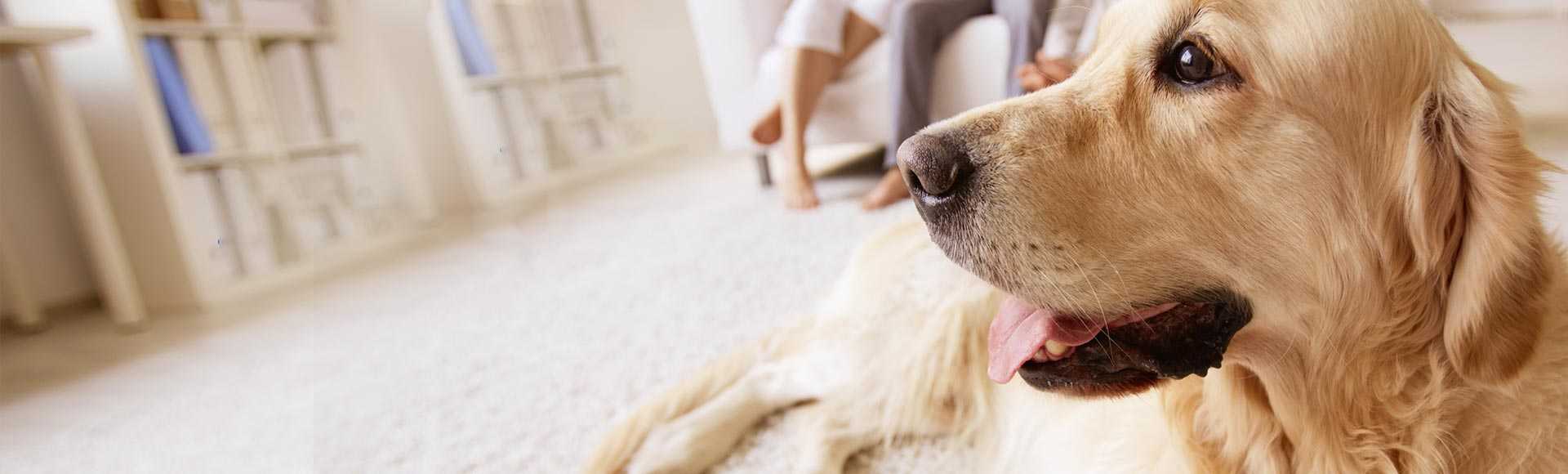
From birth to six months of age,puppies undergo rapid growth and development,and teeth play a crucial role in this process.Facial sensation and taste are among the earliest sensory organs to develop in puppies.It's normal for puppies to explore their environment and seek attention through their mouths,especially during teething.
Similar to human infants,teething is a normal physiological process for all puppies.While normal,it can sometimes cause discomfort.During teething,puppies will bite more frequently than usual,mainly because their baby teeth are falling out and permanent teeth are erupting.Biting can relieve gum discomfort to some extent.So,when does a puppy's teething process begin and end?Below is a detailed introduction to puppy teething for pet owners.
How many teeth does a puppy have?
Puppies are born without teeth.Since they initially rely on their mother's milk for nutrition,they don't need teeth to assist with feeding.Although puppies are born without visible teeth,their baby and permanent teeth have already begun developing within their jawbone at birth.
Around 3 weeks of age,puppies begin to erupt their baby teeth(their permanent teeth).At this time,in addition to continuing to be breastfed,puppies can gradually be introduced to solid foods to adapt to the subsequent dietary transition.
The incisors(small teeth at the front of the mouth)and canines(larger cusps)erupt first,followed by the premolars(teeth used for chewing).Over the next 3 to 5 weeks,puppies will continue to grow teeth until,around 6 to 8 weeks of age,their mouths will be filled with 28 white baby teeth.
When do puppies stop teething?
Puppy teeth have a relatively short retention period.Most puppies begin teething around 3.5 months of age,while some puppies may not start teething until 4 to 5 months of age.Generally,the permanent teeth of large or giant breeds erupt faster than those of small breeds.
The baby incisors fall out first,followed by the permanent teeth that erupt through the gums,replacing the baby teeth.If you find small,white baby teeth that have fallen out of your puppy on the indoor floor,don't panic;this is normal.If you never find any baby teeth,don't worry either,as puppies usually swallow them.
The process of baby teeth falling out and permanent teeth erupting in puppies will continue until they are about 6 months old.The incisors and canines erupt first,generally between 3 and 5 months of age;the premolars erupt next,around 4 to 6 months;and the permanent molars erupt last,around 5 to 7 months.It's important to note that puppies only have 28 baby teeth,while adult dogs have 42.

Signs of Teething in Puppies
During the period between 3 and 7 months of age,it's normal for puppies to explore the outside world through their mouths(mainly through biting behavior).Because this developmental stage overlaps with teething,it's difficult to determine whether the puppy's biting behavior stems from gum pain or simply curiosity.
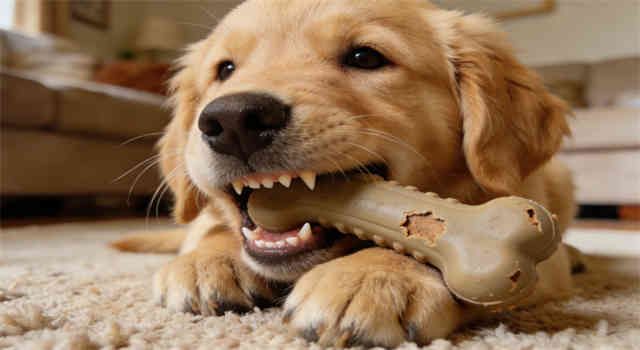
It's important to note that teething pain can cause puppies to chew more frequently at home,and may even lead to some destructive behavior.This is a temporary issue,and owners should guide their puppies to choose appropriate chew objects,such as dedicated chew toys.
How to Care for a Teething Puppy

When caring for a teething puppy,provide a variety of chew options,especially soft toys,rubber toys,and chilled or frozen toys.Puppies may prefer chew objects of varying hardness depending on the severity of their gum pain.Chilled items can help relieve gum pain and inflammation;owners can try providing chilled or frozen treats such as blueberries,green beans,and carrots.
The Best Teething Toys for Puppies
To prevent puppies from chewing on furniture and other items,owners can prepare dedicated teething toys for them.
Additionally,puppy food can be frozen in classic KONG®toys or other educational toys.The cool toys not only soothe the puppy's gum discomfort but also enrich their play experience and distract them from furniture and other objects.