Information
- Home
- others

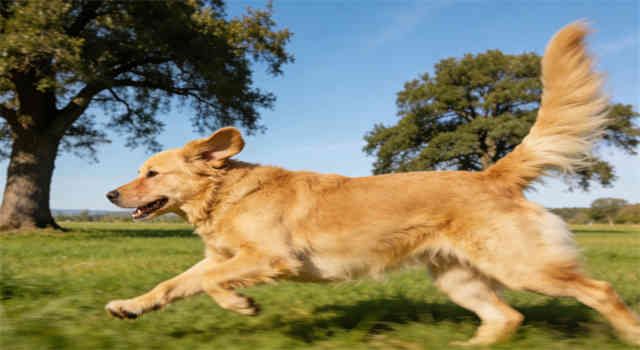
Exercise has a dual positive effect on a dog's physical and mental health.Moderate exercise maintains joint flexibility,promotes cardiovascular health,reduces the risk of obesity,strengthens the emotional bond between owner and pet,and reinforces a dog's need for a structured lifestyle.
However,this doesn't mean over-exercising your dog.Dr.Robin Downing,director of the Downing Animal Pain Management Center in Windsor,Colorado,points out,"I often encounter a misconception that if a dog is overweight or obese,the owner must immediately implement a strict exercise plan."
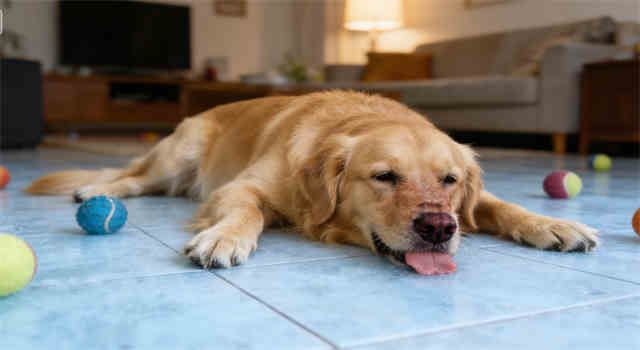
So,how can you tell if your dog is over-exercising?Below are detailed signs of over-exercising in dogs and how to address it.
Signs of Over-Exercising in Dogs
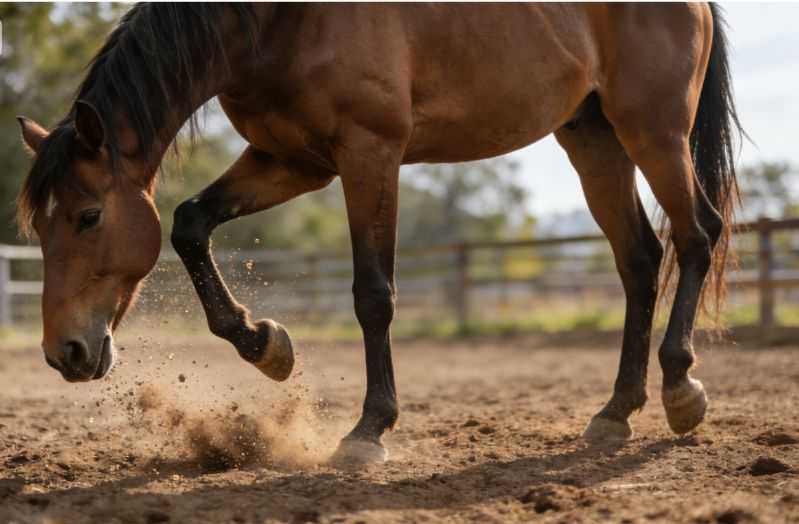
1.Worn Paw Pads
Dr.Susan Jeffrey,a veterinarian at Trusdale Animal Hospital in Madison,Wisconsin,states that some dogs prioritize play over the pain in their paws."Some dogs will continue running until their paw pads are worn down,and they will still continue to be active."
Injured paw pads can cause dogs severe pain,which Dr.Downing describes as"like a human stepping on a burst blister,"making it difficult for them to walk.
Owners need to closely observe their dog's paw pads:overexertion may cause tears,exposing the flesh,and may appear red,worn,or thinner than normal;if the paw pad becomes infected,swelling and pus may also occur.
If a dog's paw pad is injured,its activity level should be restricted immediately.Use a dog-specific first-aid kit and dog shoes to keep the paw pad clean and protected until it is fully healed.
2.Muscle Soreness
Muscle pain and stiffness are also typical signs of overexertion in dogs.Dr.Downing states,"This usually occurs during the rest phase after excessive exercise."
Specific signs of muscle soreness in dogs include:
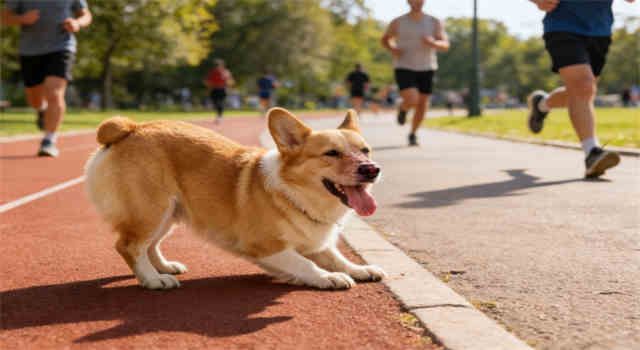
-Difficulty getting up after lying down;
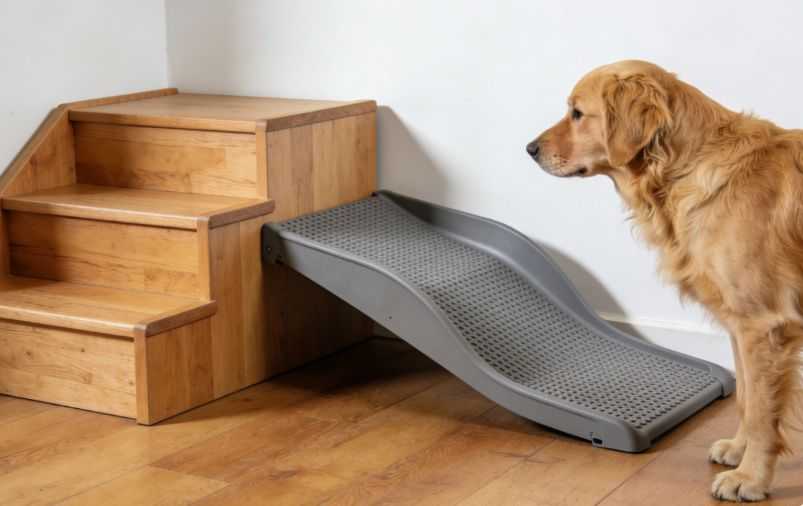
-Refusal to climb stairs;
-Reluctance to perform jumping actions,such as jumping onto the sofa;
-Whining during activity.
Jane Pascucci,a rehabilitation therapist and veterinary technician at Lake Haven Animal Hospital in Milford,Delaware,points out that preventing"weekend warrior syndrome"in dogs can help alleviate muscle soreness and stiffness."Many pet owners are busy with work during the week and try to cram a week's worth of exercise into the weekend,"she explains."This isn't suitable for dogs because they often lack sufficient daily exercise and then endure muscle and joint pain and fatigue to keep up with play."
Pascucci adds that some dogs have an extremely strong desire to work and play,and will even overcome severe fatigue and potential injury risks to continue exercising."That's where the real danger lies.Pet owners have a responsibility to set activity limits and restrict the amount of exercise for energetic dogs to avoid injuries and overexertion."
3.Heatstroke
Dr.Jeffrey states that dogs are prone to overheating during hot weather,making heatstroke and heat exhaustion particularly concerning."When a dog's body temperature exceeds 41 degrees Celsius(106 degrees Fahrenheit),it can be life-threatening.Besides causing fatal hyperthermia,dogs may also experience dehydration and difficulty breathing."
Brassic breeds(flat-faced dogs)such as Boxers,English Bulldogs,French Bulldogs,Pugs,Pekingese,and Shih Tzus are more prone to heatstroke because they don't dissipate heat as efficiently as long-muzzled breeds.
A dog's age is also a significant factor influencing the risk of heatstroke."Puppies and senior dogs have a weaker ability to regulate their body temperature,so excessive exercise can easily lead to overheating,"says Dr.Jeffrey.
Pet owners need to be extra cautious when exercising their dogs in the summer,especially in humid and hot weather.It's recommended to choose shorter periods of exercise during the cooler part of the day,ensure the dog has access to plenty of water,and provide a shady place to rest.If living in a dry climate,dogs can wear cooling vests to help lower their body temperature through evaporative cooling.
4.Joint Injuries
The impact of excessive exercise can cause strains,sprains,and other injuries to joints throughout a dog's body.Dr.Tang Ning states that the toe joints are particularly vulnerable,with the wrists and elbows also posing a risk.
"About 60%of a dog's weight is borne by its forelimbs,which puts significant pressure on the forelimb joints,"she further explains."For dogs with overly straight hind legs,excessive exercise can lead to knee problems,including strains,sprains,meniscus tears,and anterior cruciate ligament tears."
Some breeds are more prone to joint injuries,such as long,small breeds(like Basset Hounds and Dachshunds),whose unique joint morphology increases the risk of limb injuries during excessive exercise.These breeds also frequently experience back problems.
If an older dog has osteoarthritis,excessive exercise will immediately trigger pain and accelerate joint tissue degeneration.While puppies(especially large and giant breeds)need moderate exercise,excessive high-intensity exercise(such as running)can also lead to abnormal joint development.
5.Behavioral Changes
Owners should also pay attention to changes in their dog's behavior.For example,if a dog that usually enjoys running with its owner suddenly lies down on the sidewalk and refuses to continue,it's advisable to consult a veterinarian immediately.
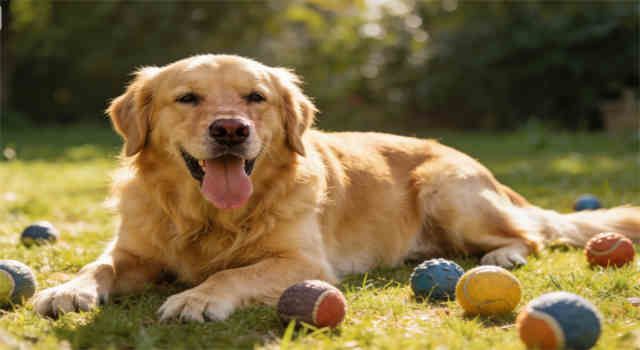
Pascucci states that a lack of regular exercise training can lead to such behavior and even cause injury."Letting a dog play freely for an hour is not the same as it completing an hour of effective exercise,"she says."Most dogs experience a period of high energy when off-leash,followed by a rest.If a dog only runs and plays freely in the yard five days a week,and then is forced to jog 10 miles(about 16 kilometers)with its owner on a particular day,it's highly likely to get injured."
She suggests that for active pet owners and their dogs,a reasonable training plan should include alternating aerobic exercise(lasting 20 minutes or more)with strength training,and scheduling one day of complete rest,allowing the dog to fully relax and not engage in any exercise.
Reference for Suitable Exercise for Dogs
Dogs need exercise to maintain optimal physical and mental health,but the type and duration of exercise should be determined based on their physical condition,health status,breed,and age.For example,breeds like Labradors are naturally suited to high-intensity exercise,while breeds like French Bulldogs are not.
The key to exercise is moderation;the intensity of exercise is more important than the duration.For instance,walking on a leash is less likely to tire a dog out than running,jumping,or vigorous play.
Recognizing the signs of overexertion in dogs is important,but prevention is even more crucial.The most scientific approach is to collaborate with a veterinarian to develop a personalized and suitable exercise plan for your pet.