Information
- Home
- others

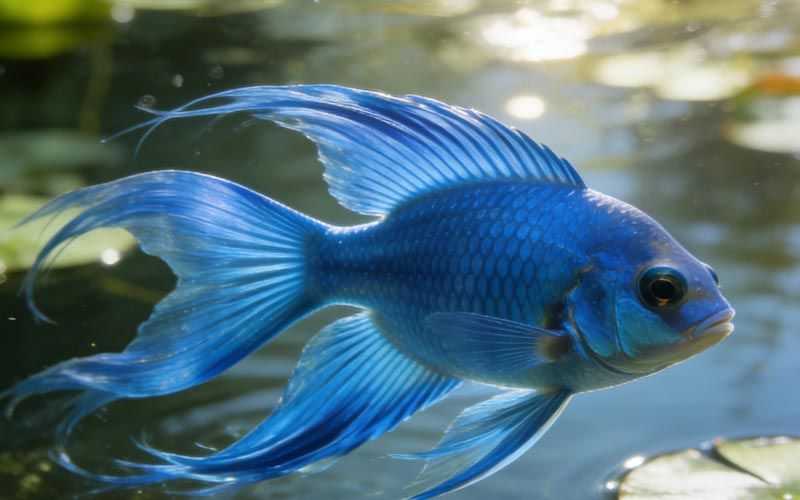
Molly fish are native to freshwater and brackish waters of North,South,and Central America.This guide details the basic care requirements for several molly species,including the Black Molly,Silver Molly,Dalmatian Molly,Golden Molly,Marble Molly,Balloon Molly,Lyretail Molly,and Sailfin Molly.
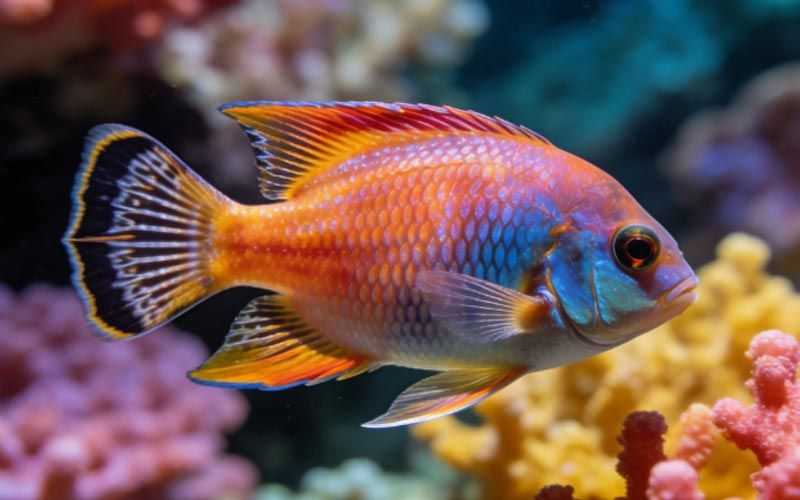
Mollies exhibit a rich variety of colors and patterns,but their body color may fade or lighten due to environmental stress or age.
Some aquarists believe that mollies can gradually adapt to saltwater aquariums,but this approach is not recommended.Mollies are not native to saltwater and are only suitable for freshwater or brackish water aquariums.
I.Core Biological Characteristics of Molly Fish
Characteristics Specific Parameters
Difficulty of Keeping:Suitable for beginners
Average Lifespan:Up to 5 years under suitable conditions
Average Adult Size:3-6 inches in length,size varies depending on the species
Diet:Omnivorous fish
Minimum Housing:At least 10 gallons,specific volume needs to be adjusted according to the species
Ideal Water Temperature:72-82 degrees Fahrenheit
Ideal pH:7.5-8.5
II.Essential Supplies for Molly Fish Keeping
To ensure the health and vitality of your Molly fish,you need to prepare the following basic supplies in advance:
A suitable aquarium
Specialized fish food(including dry and frozen food)
Aquarium decorations
Water conditioner
Aquarium filter
Water quality testing kit
Full-spectrum lighting
Fish net for catching fish
Aquarium thermometer
Freshwater substrate
Aquarium heater
Air hose
Air pump
Check valve
Freshwater salt
Live aquatic plants
Aquarium lid/Tank Cover
III.Molly Fish Tank Setup Guidelines
Stocking Density and Tank Volume Matching
Most molly fish species can be initially kept in groups of 2,suitable for sizes such as the Aqueon LED Aquarium Starter Kit(10 gallons).
If you plan to increase the number,for each additional fish beyond the initial 2,you will need at least 3 gallons of additional space.For example,keeping 4 mollies(this is the recommended minimum group size)requires a 16-gallon or larger tank,such as the Fluval Aquarium Kit(16 gallons).
For larger species(such as sailfin mollies),to ensure sufficient space for movement,a tank of at least 30 gallons is required,such as the Coralife LED BioCube Aquarium Kit(32 gallons).
Basic Protection and Space Principles
All tanks must be covered to prevent mollies from jumping out and getting injured.Keepers should provide as much space as possible,as water quality parameters in small tanks are prone to significant fluctuations,which are detrimental to the fish's survival.IV.Selection of Fish for Mixed Keeping and Rules for Group Keeping
Core Requirements for Group Keeping
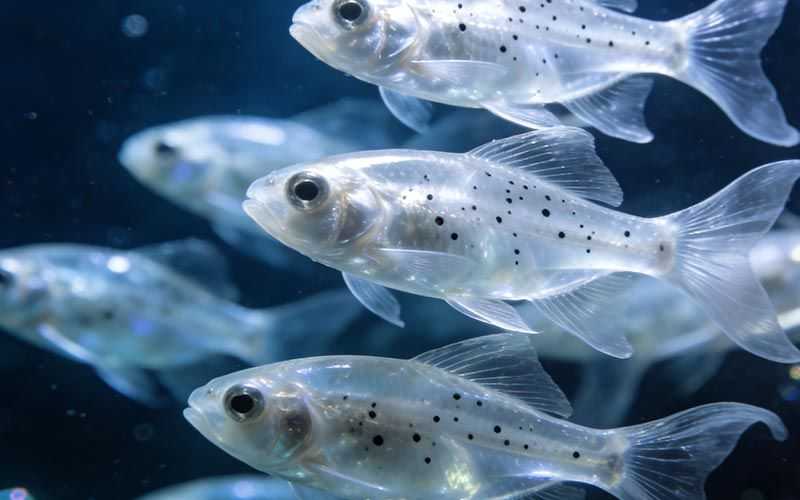
Mallotus fish are schooling fish;it is recommended to keep at least 4 of the same species.If the aquarium has sufficient space,increasing the number of fish will allow them to exhibit their natural behavior.When keeping them in groups,a ratio of 3 females to 1 male is recommended to effectively reduce aggressive behavior among males.
Selection Criteria for Mixed Keep Partners
Mallotus fish are naturally docile,but keeping them with aggressive fish species may induce aggression.Suitable mixed-species partners should be gentle fish,such as guppies,swordtails,tetras,cichlids,barracudas,rainbowfish,zebra danios,and corydoras.
Precautions for Mixed Keeping
New fish should be introduced to the tank gradually.After adding new fish,key water quality indicators such as ammonia,pH,and nitrates will change.Close monitoring of these parameters and timely adjustments are necessary.
Stocking density must be strictly controlled to avoid overcrowding.Overcrowding in the aquarium can easily lead to stress in the fish,which in turn can induce various diseases.
V.Filtration System Configuration Requirements
The filtration system is the core equipment in a Molly aquarium.Its functions include maintaining water cleanliness,removing harmful toxins such as ammonia,increasing dissolved oxygen levels,and providing a suitable respiratory environment for the fish.
Filter Type Selection
It is recommended to choose a filtration system that provides a slow to medium water flow to simulate the water flow environment of the Molly's native habitat.Powered filters(hook-on filters)and external canister filters are preferred,as these devices can achieve mechanical,biological,and chemical filtration without taking up valuable space within the aquarium.
Filter Power Standards
The filter's water circulation capacity must meet the following requirement:the hourly water circulation volume must be at least four times the total volume of the aquarium.
VI.Water Quality and Temperature Management Standards
Water Quality Monitoring and Control
Regularly test the aquarium water quality to ensure that key indicators such as pH,ammonia,nitrates,and nitrites remain stable within safe ranges.It is recommended to use a professional aquarium testing kit for rapid and accurate measurement of key parameters.Most Molly species can have their survival improved by adding freshwater salt.If using freshwater salt,the water's specific gravity must be maintained at 1.004,and the fluctuation within 24 hours should not exceed±0.001.
Before adding freshwater salt,it is essential to thoroughly research the specific needs of the Molly species you are keeping.A hydrometer or refractometer(such as the Instant Ocean aquarium hydrometer)can be used to accurately monitor salt concentration and water specific gravity.
Water Temperature Control Requirements:The optimal growth temperature for most Molly species is 72-82 degrees Fahrenheit,and the daily temperature fluctuation should be controlled within 2 degrees Fahrenheit.
It is recommended to use an aquarium heater equipped with a thermostat(such as the Tetra HT30 submersible aquarium heater and electronic thermostat)to maintain a stable water temperature,and to record the tank water temperature daily using a thermometer.
Heater Selection Guidelines
Some new heaters have built-in temperature control modules,while others require a separate thermostat.
The standard for heater power selection is 2.5-5 watts per gallon of water.
For large tanks exceeding 50 gallons,it is recommended to install heaters on both sides of the tank to avoid temperature dead zones.
VII.Aquarium Decoration and Accessories
Substrate Preparation Guidelines
The bottom of the tank should be covered with a 1-2 inch layer of freshwater sand or gravel.The substrate should be thoroughly rinsed with clean running water before being added to the tank.
Mollet fish primarily congregate in the upper and middle layers of the tank,spending less time at the bottom.From the perspective of securing aquatic plants,sandy substrate is more effective than gravel.
The standard substrate quantity is 1.5 pounds of substrate per gallon of water.
Aquascaping and Hiding Facilities Arrangement
Mallots need hiding places to feel safe.Both live and artificial aquatic plants can be used as aquascaping materials,and live plants can also provide an additional natural food source for them.
For aquascaping,choose taller aquatic plant varieties(such as Java fern and Anubias).Place them around the perimeter of the aquarium,leaving ample central swimming space.
VIII.Tank Cleaning and Maintenance
Routine Water Change Requirements
Perform a routine water change every 2-4 weeks,changing 10%-25%of the total tank volume each time.Remove uneaten food daily to reduce water pollution.
Never perform a complete water change at once,as this will significantly reduce the amount of beneficial bacteria that maintain the tank's ecological balance and disrupt the stability of the nitrification system.
Thorough Cleaning Frequency
Most tanks require a thorough cleaning monthly.The specific frequency can be adjusted based on the number of fish and invertebrates in the tank.
IX.Molly Fish Feeding and Management
Feeding Principles
Mollies are omnivorous fish and require a varied diet,including flake food,pellet food,freeze-dried food,and frozen food(frozen food must be completely thawed before feeding).A small amount of algae feed(such as spirulina tablets or algae cakes)can also be added.
To ensure their health,avoid feeding them a single type of food for extended periods.It is recommended to change the type of food daily.
Feeding Frequency and Amount
Feed 1-3 times daily.The feeding frequency can be adjusted according to the size and species of the fish.Each feeding should be small enough to be consumed within 1-2 minutes.
Food Handling Taboos
Never use a microwave to thaw or heat frozen food,and never feed partially thawed frozen food.Uneaten frozen food should be discarded promptly and should not be refrozen to prevent bacterial growth.