Information
- Home
- dogs
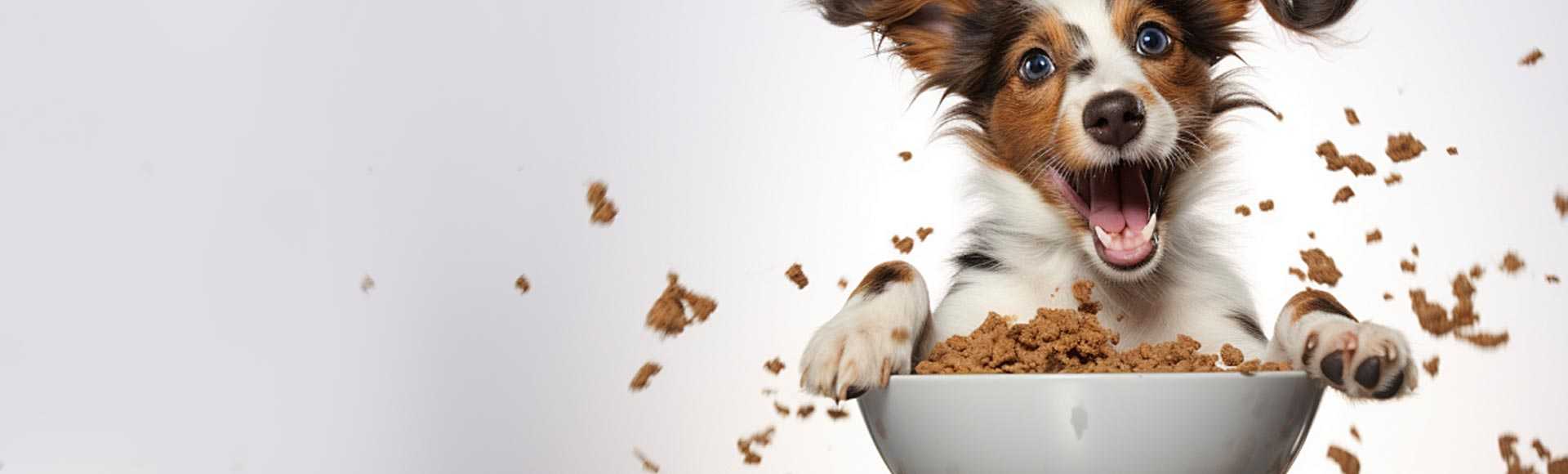
One of the most obvious signs of summer's arrival is the resurgence of corn on the cob in farmers'markets,supermarket shelves,and on people's tables.Whether it's a Thanksgiving family dinner or an occasional barbecue,corn on the cob is a common ingredient.But can dogs eat corn like humans?
The answer is yes,but only certain types of corn are beneficial for dogs—such as sweet corn.Dogs should be given corn in moderation,and owners must ensure their dogs are kept away from corn on the cob.
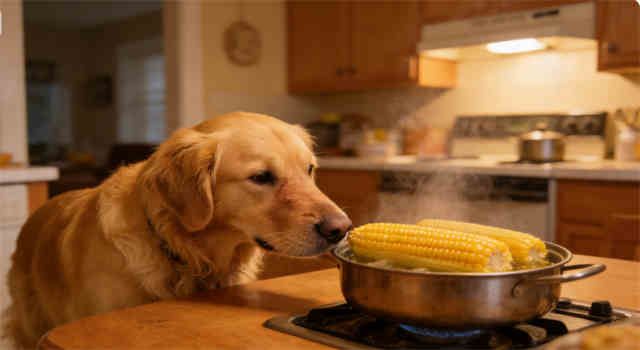
Here's a detailed explanation about giving corn to dogs:
Can dogs eat corn?
Dogs can eat corn,but like most dog treats,the amount should be controlled.As long as the amount is carefully controlled,there's nothing wrong with dogs eating a moderate amount of corn.
In fact,most types of corn,especially sweet corn,contain natural sugars and have a taste that dogs enjoy.Therefore,dogs are more likely to prefer this delicious treat to traditional dog biscuits.
Is corn good for dogs?
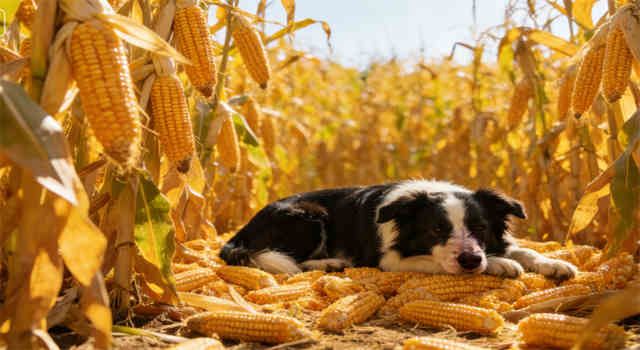
As a vegetable,corn offers certain benefits to dogs when the amount is controlled.Corn is rich in protein,carbohydrates,dietary fiber,and antioxidants,making it an excellent choice for enhancing the nutritional value of dog food.Its ingredients are relatively pure,and additive content can be kept to a minimum.
Dr.Kaci Angelone,a veterinarian in Denver,states,"High-fiber treats play an important role because they help suppress a dog's appetite.High-fiber foods keep dogs feeling full for longer,which helps prevent canine obesity."
Can dogs eat corn on the cob?
Dogs should absolutely not eat corn on the cob.Although corn on the cob may seem like a treat and a toy,and dogs can easily break and chew it,it is difficult for dogs to swallow and digest,and can easily cause intestinal obstruction,which usually requires surgery.
If a dog accidentally eats corn on the cob,the owner should closely observe for symptoms such as lethargy,dehydration,loss of appetite,or vomiting.If any of these symptoms appear,the dog should be taken to a veterinarian immediately.
10 Toxic Human Foods That Dogs and Cats Should Never Eat
Can dogs eat canned corn?Dr.Angelone states that canned corn is a suitable choice for dogs.However,avoid feeding them corn casseroles and similar dishes,as these typically contain extra fat and oil;creamy corn should also be avoided.

Dr.Angelone adds,"Canned corn is a high-fiber snack,free of added salt and other additives,making it suitable for dogs."
Can dogs eat tortillas and cornbread?
It must be emphasized again that the core principle for feeding these foods is moderation.Tortillas may be high in sodium,depending on their manufacturing process;while cornbread usually contains a lot of fat and butter.Short-term feeding may cause gastrointestinal upset and diarrhea in dogs,while long-term excessive feeding can lead to obesity.
It is recommended that owners avoid actively feeding their dogs these foods.However,if a dog accidentally licks a small amount of food that has fallen on the ground,it usually will not have a serious impact on its health.Owners should simply closely observe their dogs for any unusual signs of illness,and contact a veterinarian immediately if any discomfort is observed.
What about popcorn?
Popcorn is a safe treat for dogs when consumed in moderation,and provided it is air-popped and free of added salt and butter.This method of consumption reduces a dog's intake of sodium and empty calories.However,long-term excessive feeding of popcorn with added butter and salt may lead to obesity,heart problems,and digestive issues in dogs.
Other Vegetables Dogs Can Eat
Many fruits and vegetables are safe and healthy snack choices for dogs.The following vegetables are rich in vitamins and various nutrients,making them excellent choices for dog treats:
-Carrots
-Green Beans
-Sweet Potatoes
-Pumpkin
-Zucchini
-Peas
While some plant-based foods are beneficial for dogs,owners should prioritize feeding them a balanced,healthy dogfood recommended by a veterinarian.If you occasionally want to give your dog human food as a treat,always consult your veterinarian beforehand and supervise your dog's eating,closely observing for any signs of choking,allergies,or other adverse reactions.