Information
- Home
- dogs
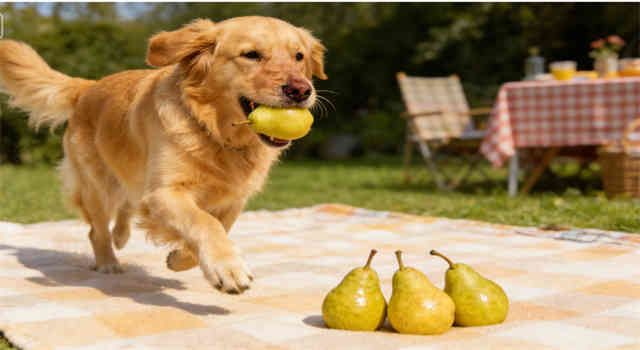
With pet obesity and overweight becoming increasingly common,fresh fruits and vegetables can serve as excellent alternatives to high-calorie dog treats.However,many pet owners wonder:can dogs eat pears?
Some foods beneficial to humans may pose potential risks to dogs,often with subtle differences.For example,grapes,raisins,chocolate,and macadamia nuts are all toxic to dogs.Pears,however,are safe for dogs,provided they are kept away from the core and the amount given is limited.
Below are the professional opinions of two veterinarians regarding pears and their effects on dogs.
Can dogs eat pears?
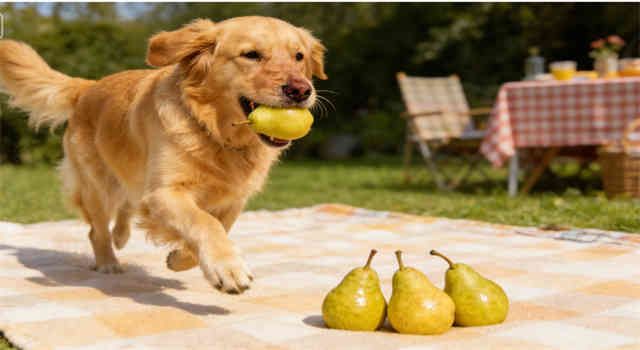
Dogs can eat pears.If fed correctly,pears pose virtually no harm to dogs.
“Pears are safe for dogs,”says Renee Schmid,a veterinary toxicologist,MD,and certified expert by the American Board of Veterinary Toxicology,working at a pet poisoning hotline.
The main risk of pears for dogs lies in the core.Unlike avocados,pears don't have a large,hard core,but they do have a firm,fibrous center where the seed is located.This part should never be fed to dogs.
"If a dog swallows the pear core whole,it can cause a foreign body obstruction,and in severe cases,even intestinal obstruction,"Schmid cautions.
After removing the core,dogs can eat Bartlett pears,commonly found in supermarkets,as well as various Korean or Asian pears.Like other human foods safe for dogs,pears are not toxic and will not cause poisoning in dogs.
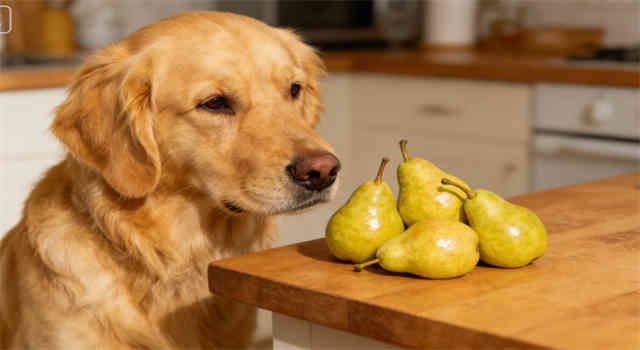
Are pears good for dogs?
Pears are generally harmless to dogs,but they don't offer significant benefits.Dr.Lisa Weeth,a registered veterinary dietitian at the Metropolitan Animal Hospital in Los Angeles,points out that while pears are non-toxic to dogs,they are not an essential part of a dog's balanced diet.
"Besides being a fun treat for dogs,feeding them pears has no real nutritional value,"Weeth told Daily Pets.Pears have a sweet taste,mainly due to their high sugar content.Therefore,Weiss also advises that dogs with diabetes should avoid eating pears.If pet owners are concerned about potential health problems affecting their dog's diet and treat choices,they should consult a veterinarian promptly.
If your pet has eaten suspicious food or shows signs of poisoning,contact a veterinarian or pet poisoning helpline immediately.
Can dogs eat canned pears?
Canned pears in syrup are not toxic to dogs,but the sugar syrup adds unnecessary calories and may cause gastrointestinal upset.It is recommended to feed dogs fresh pears first.Occasionally feeding a slice or two of canned pear usually will not have adverse effects.
How to safely feed pears to your dog
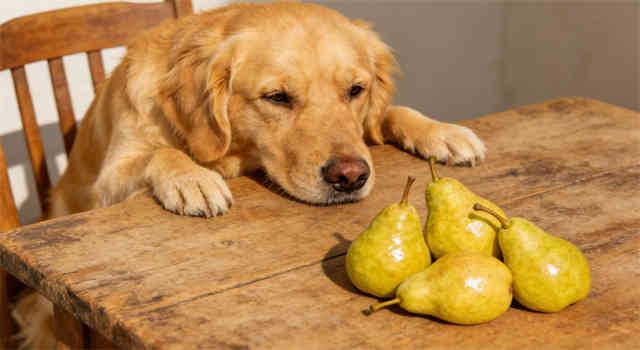
If you plan to feed your dog pears,strictly follow Schmid and Weiss's advice for safe preparation and feeding.First,thoroughly remove the pear core.
“The core of a large pear is more likely to cause intestinal obstruction in dogs than that of a small pear,”says Schmid.“Furthermore,the riper the pear,the softer the core,and the easier it is to crush.”
To minimize the risk of gastrointestinal upset in dogs,the skin,stem,and core(including seeds)should be removed before cutting the pear into small pieces.This prevents choking from swallowing large pieces.
Feeding pears doesn't need to be overly complicated.Weiss states that as long as the pear itself is non-toxic and doesn't affect a dog's specific health condition—for example,dogs with pancreatitis should avoid high-fat foods—they are safe for dogs to eat.
Wess and many other veterinarians recommend that pears and other treats should not exceed 10%of a dog's total daily calorie intake.