Information
- Home
- dogs

The transition from puppy to adult dog is a significant milestone in every dog's life,and equally important for every pet owner.
Just a few months ago,your puppy was lively,active,and playful;now,it's entering adulthood,and ensuring its lifelong health is a crucial consideration.
Nutritional support and feeding methods are fundamental to a dog's lifelong health,and one of the most critical questions is:"When should a puppy start eating adult dog food?"
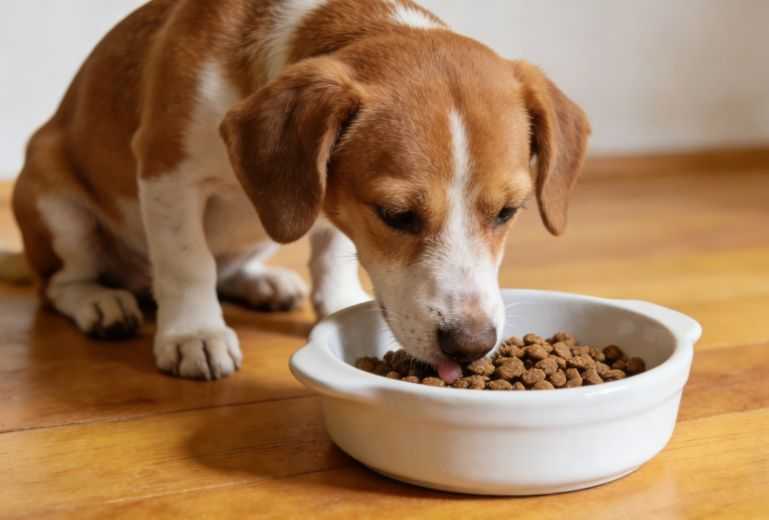
The answer depends on several factors,including the puppy's breed,whether it has been spayed/neutered,and any current or future concerns you have about its health.
This article will help you determine the appropriate time to switch from puppy food to adult dog food,analyze the key differences between puppy and adult dog food,guide you in choosing the right adult dog food,and provide scientific methods for the dietary transition,helping your beloved dog achieve a healthy life.
I.Key Differences Between Puppy and Adult Dog Food
The American Association of Feed Control Officials(AAFCO)is a professional organization responsible for regulating the sale and distribution of animal food.According to the association's standards,puppy food must contain higher levels of protein,fat,calcium,and phosphorus than adult dog food.These macronutrients and minerals effectively promote muscle and bone growth in puppies,while providing sufficient energy density to meet their basic physiological needs for growth,development,respiration,digestion,and movement.
Furthermore,many puppy food manufacturers add high levels of Omega-3 fatty acids to support normal brain and eye development.It is particularly important to note that large breed puppies should be fed specially formulated puppy food.The fat,calcium,and phosphorus content in this type of food is scientifically controlled to effectively manage the growth rate of large breed puppies,thereby preventing skeletal diseases caused by rapid growth,such as elbow and hip dysplasia.

For example,Hill's®Large Breed Puppy Food contains adequate calcium to effectively regulate bone growth;it is also rich in high-quality protein to support muscle growth;added antioxidants help develop and mature the immune system;and the DHA in fish oil ensures healthy brain and eye development.
II.Timing of Switching to Adult Dog Food
The timing of the transition from puppy food to adult dog food is crucial.It's essential to ensure the puppy receives sufficient protein,fat,and minerals to support its growth and development,while effectively preventing bone,joint,brain,and eye diseases.Generally,when a puppy reaches about 80%of its adult size,it can begin gradually being fed adult dog food.Besides breed and size,other factors to consider include whether the puppy has been spayed/neutered and its activity level—more active dogs often require more calories.
(I)Influence of Breed and Size
Small breeds(such as Chihuahuas,Yorkshire Terriers,and Pugs)grow relatively quickly and reach adult size earlier than larger breeds like Golden Retrievers,German Shepherds,and Dalmatians.Here is a guide to transitioning to adult dog food for different breeds of different sizes:
-Small breeds:Adult weight under 25 pounds,typically reaching adult size at 10-12 months old.Adult dog food can be gradually introduced starting at 9-10 months of age.
-Medium breeds:Such as English Springer Spaniels,Australian Shepherds,and Border Collies,adult weight between 25-50 pounds,reaching adult size at 12-15 months of age.Because their growth rate is between that of small and large breeds,they can be transitioned to adult dog food starting at 12-14 months of age.
-Large breeds:Adult weight over 50 pounds,including breeds such as Boxers and Great Danes.They reach adult size and weight over a longer period,typically between 15-24 months.Given their slower growth rate,they should continue to eat puppy food until 14-24 months of age to ensure they receive sufficient protein and other nutrients during their growth phase,while maintaining a balanced nutritional ratio to support the growth and development of their larger bones.(II)Impact of Activity Level
Active dogs may require a longer period of puppy food consumption because the extra protein supports muscle growth and function,while the higher fat and calorie density provide sufficient energy for their high-intensity exercise.
(III)Impact of Spaying/Neutering Surgery
Breed size is not the only factor to consider when deciding when to switch to adult dog food.If a puppy is spayed/neutered before reaching 80%of its adult size,its calorie requirements will decrease significantly post-surgery,by up to 30%.Because puppy food has a high calorie density,it is crucial to carefully control feeding amounts during the remaining puppy stage to effectively prevent obesity in adulthood.
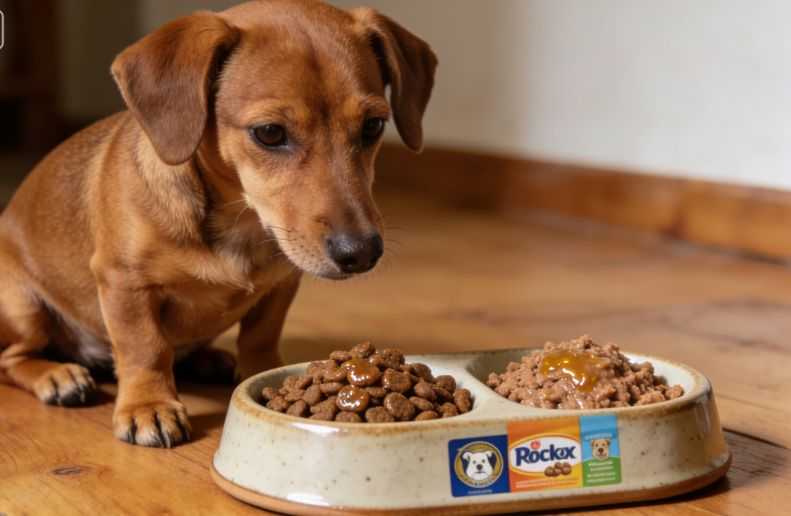
It should be noted that spaying/neutering surgery generally does not slow down a puppy's growth rate,but it may affect the growth plates in the bones of large breed puppies,increasing their risk of joint problems later in life.Furthermore,unspayed female dogs that breed during puppies may need to continue eating puppy food for an extended period to meet their nutritional needs during pregnancy and postpartum lactation.
III.Dangers of Switching to Adult Dog Food Too Early or Too Late
Given the critical importance of the timing of switching to adult dog food for a puppy's health,switching too early or too late can have negative effects.Puppy food contains more fat and calories per cup than adult dog food.If the switch is delayed,the risk of obesity and related health problems in adulthood will significantly increase.
For some breeds,if they are not fed a breed-specific puppy food formula,the extra protein and calories in the puppy food may accelerate their growth rate,potentially leading to joint problems later in life.Similarly,stopping puppy food too early can cause malnutrition and abnormal growth and development,preventing them from reaching adult size within the expected timeframe and increasing their risk of future bone,joint,brain,and eye diseases.