Information
- Home
- dogs

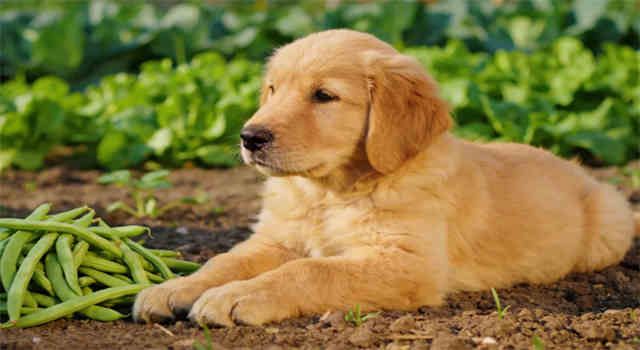
Can dogs eat green beans?If you'd like to share a healthy,low-calorie treat with your beloved dog,the answer is yes.According to pet nutrition research,green beans are rich in various vitamins and minerals,have high nutrient density,and are low in calories,making them an excellent supplement to a dog's daily food diet.They can enrich a dog's diet and provide extra nutrition.
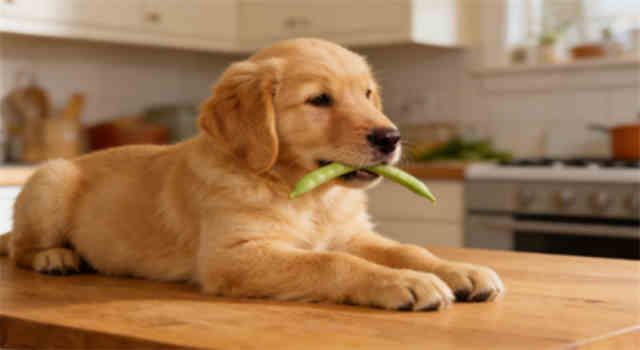
From a practical perspective,green beans can even replace traditional dog biscuits as a treat,provided they are kept plain and free of any harmful ingredients.Below,Denver veterinarian Kaci Angelone provides detailed advice on how to feed dogs green beans,their benefits,and precautions,offering authoritative guidance for scientific feeding.
How to feed dogs green beans?
Denver veterinarian Kaci Angelone clearly states that green beans are"an excellent treat,"partly because they can be prepared in various ways to suit different dogs'preferences,while strictly avoiding potential risks to ensure feeding safety.
Fresh green beans are the best choice for dogs,as they retain the maximum amount of vitamins,dietary fiber,and other nutrients,and contain no added ingredients,meeting their physiological and digestive needs.However,based on daily feeding habits,many people choose canned green beans from supermarkets.Dogs can also eat these,but it's crucial to carefully check the product label and choose a variety without added salt.This is because dogs'kidney metabolism differs from humans;they have a very low tolerance for sodium.Excessive salt and sodium intake can disrupt a dog's digestive system,causing discomfort such as vomiting,diarrhea,and bloating.Long-term intake may also increase the burden on the kidneys and raise the risk of kidney disease,a conclusion confirmed by veterinary clinical data.
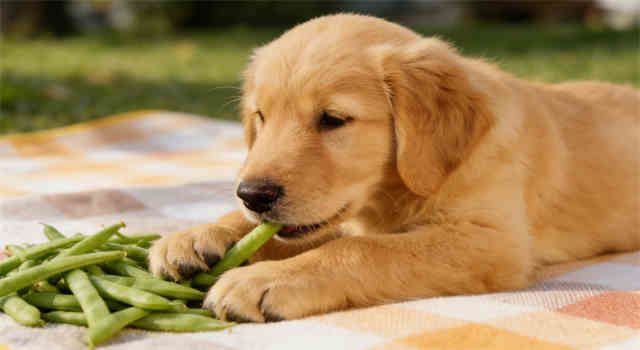
If you want to feed your dog a few green beans while cooking them,you must strictly adhere to the principle of"no oil,no harmful spices."Veterinary medicine clearly states that spices such as garlic and onions are toxic to dogs.The sulfides they contain can damage a dog's red blood cells,causing hemolytic anemia,which can be life-threatening in severe cases.Cooking oil increases the burden on a dog's digestive system,easily leading to excessive fat intake,causing diarrhea,obesity,and even increasing the risk of pancreatitis.Therefore,green beans used to feed dogs must be boiled in plain water without any added seasonings.
Angelone further cautions,"I would absolutely avoid feeding my dogfoods like green bean stew,because these foods usually contain cheese or cream,which are high in salt and fat and can easily cause gastrointestinal upset in dogs."From a veterinary clinical perspective,high-salt,high-fat foods irritate a dog's gastrointestinal mucosa,disrupt the balance of intestinal flora,and lead to gastrointestinal dysfunction,causing symptoms such as vomiting and diarrhea.Long-term consumption can also increase the risk of obesity,pancreatitis,and other diseases.
Dogs can eat raw green beans,but two key safety conditions must be met:First,the green beans must be cut into appropriately sized pieces according to the dog's size(smaller pieces for small dogs,larger pieces for larger dogs)to avoid the risk of choking if the beans are too large.Second,the green beans must be fresh and not rotten or spoiled.Spoiled green beans produce harmful substances such as solanine,which can cause food poisoning in dogs,leading to symptoms such as vomiting,abdominal pain,and lethargy.
Are green beans beneficial for dogs?
The good news is,the answer is yes.According to pet nutrition analysis,green beans are not only crisp and palatable,but also rich in various nutrients needed by dogs,including vitamins B6,A,C,and K,as well as minerals such as iron and calcium.They also contain a small amount of high-quality protein,which can supplement the trace elements needed by dogs daily and help maintain normal physiological functions.
While high-quality dogfood provides dogs with balanced and sufficient nutrition,green beans can serve as a delicious natural vitamin supplement.There's no need to force-feed them,enriching their diet and preventing nutritional deficiencies.
"Green beans are extremely low in calories and very high in fiber,"says Angelone.This makes them an ideal treat for overweight dogs—green beans can replace traditional high-calorie dog biscuits,effectively reducing calorie intake and helping overweight dogs control their weight and maintain a healthy physique.If you've reduced your dog's daily food intake to help them lose weight,you can add a suitable amount of green beans to their dog food.This will compensate for the reduced satiety without adding extra calories.
"The fiber in green beans can suppress appetite,allowing dogs to feel full more quickly,"Angelone further explains.Physiologically,dietary fiber slows intestinal motility,prolonging the time food stays in the gastrointestinal tract and increasing satiety,thus reducing the dog's total food intake.This is the core principle behind its use in aiding weight loss in dogs.
What other vegetables can dogs eat?
From a pet nutrition perspective,most common vegetables are safe and beneficial for dogs,and it's difficult to find any that would directly harm them.Besides green beans,the following vegetables are healthy and well-suited to dogs'digestive systems,making them excellent choices for daily snacks:
-Sweet potatoes:Rich in dietary fiber and beta-carotene,they provide essential nutrients,promote intestinal motility,and have a soft,chewy texture,suitable for dogs of all sizes;
-Carrots:Rich in vitamin A and dietary fiber,they help clean dogs'teeth and prevent plaque.They can be fed raw or cooked;
-Tomatoes:Ripe red tomatoes are safe for dogs and are rich in vitamin C and lycopene.However,be aware that unripe green tomatoes contain tomatine,a toxic substance that can cause vomiting,diarrhea,and other discomfort in dogs,and should be strictly avoided;
-Cucumbers:Extremely low in calories and high in water content,they are rich in vitamins and minerals,providing hydration and making them a suitable summer snack;
-Pumpkin:Rich in dietary fiber and beta-carotene,it helps regulate intestinal function,relieve diarrhea or constipation,and is especially beneficial for dogs with sensitive stomachs;
-Broccoli:Rich in Vitamin C,Vitamin K,and dietary fiber,it's highly nutritious,but must be cooked before feeding to avoid bloating from raw consumption.
-Zucchini:Low in calories and high in water content,it's rich in various vitamins and has a crisp texture,suitable for dogs to eat raw or cooked.
-Asparagus:Rich in folic acid and dietary fiber,it provides essential nutrients,but the tough ends must be removed and it must be cooked before feeding to avoid irritating the dog's gastrointestinal tract.
While these vegetables are generally safe for dogs,some details still need attention.According to veterinary advice,before feeding your dog any new food(including vegetables),always research its safety,do your research,and consult a veterinarian,taking into account the dog's age,health condition(such as gastrointestinal sensitivity,allergies,etc.)to assess its suitability.Furthermore,regardless of the type of treat,the amount fed should be strictly controlled to avoid overfeeding,which can burden the dog's digestive system or interfere with the intake of regular dog food,ensuring a balanced diet.
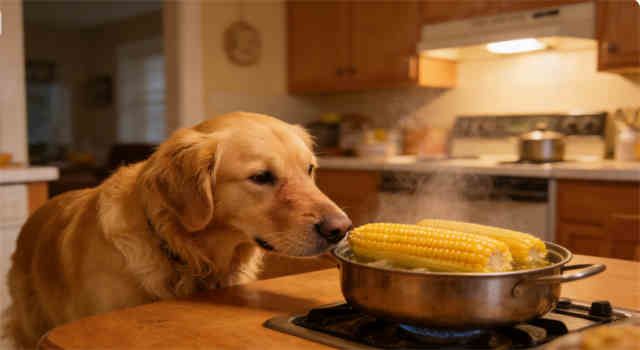
If you enjoy feeding your dog mixed vegetables,there's no need to worry:in most cases,combinations of green beans with peas,corn,broccoli,and other vegetables are safe for dogs,providing both a variety of flavors and essential nutrients.
If you choose to buy packaged vegetables instead of cooking them yourself,be sure to carefully check the product label to ensure you choose varieties without added sodium—excessive sodium can strain a dog's kidneys.Also,strictly avoid buying packaged foods pre-mixed with cheese,sauces,or gravy;these are usually high in salt and fat and may contain harmful ingredients that can easily cause gastrointestinal upset in dogs.