Information
- Home
- dogs

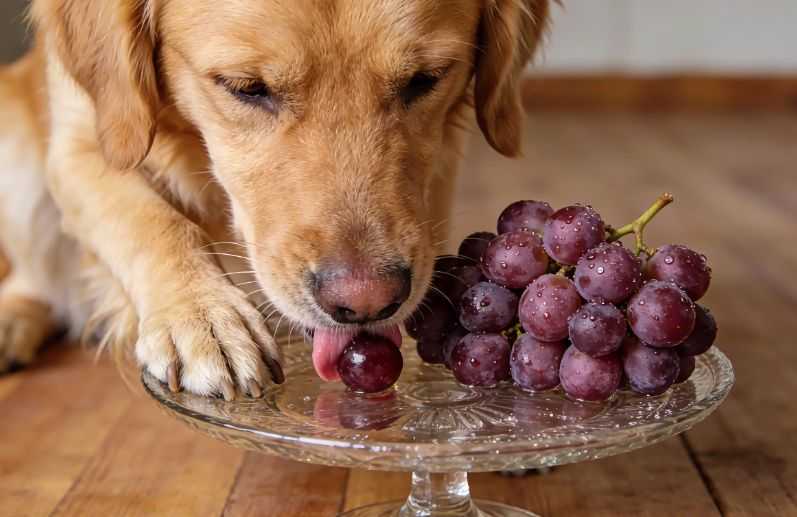
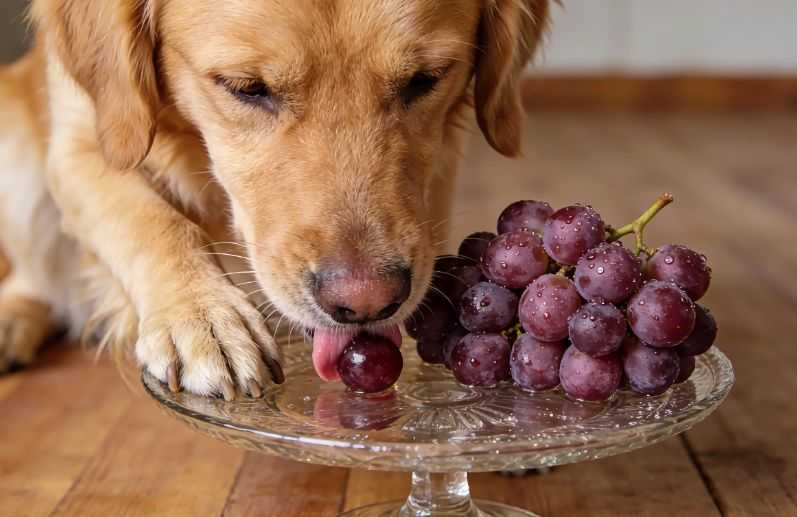
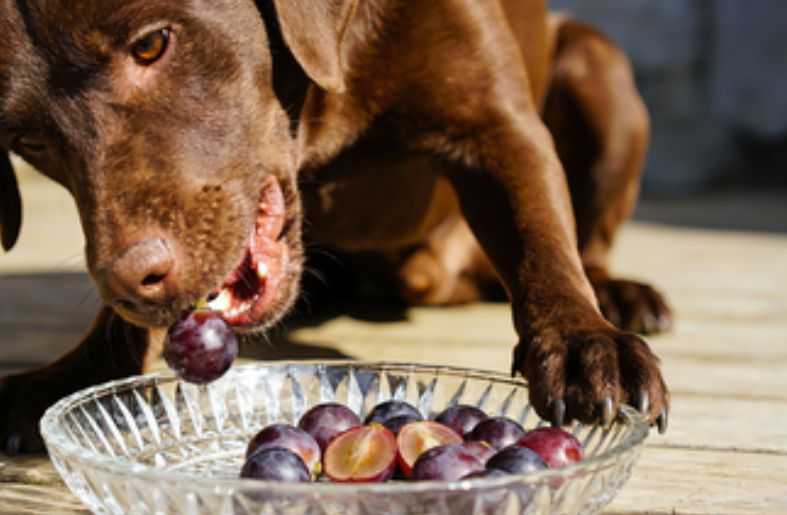
Grapes are a common fruit consumed by humans and generally do not pose a health risk to humans.However,many pet owners wonder if dogs can eat grapes.It's important to note that all colors of grapes(including purple,red,green,and white)can be toxic to dogs of all ages,including raisins—a fact that may surprise many.
So,why are grapes harmful to dogs?If a dog accidentally eats grapes,is the situation urgent?The following provides a detailed explanation of grape poisoning in dogs,offering comprehensive information for pet owners.
I.Reasons Why Grapes Are Harmful to Dogs
Grapes pose a dual safety hazard to dogs,primarily due to the following two core reasons:
(I)Contains Toxic Compounds
Grapes contain compounds that are toxic to dogs.These toxins are widely present in both the pulp and skin of grapes.This means that regardless of whether the grape is peeled or not,its toxicity is not reduced,and it still poses a health threat to dogs.
It is crucial to emphasize that raisins are far more dangerous than fresh grapes.Because raisins undergo dehydration,the concentration of toxic compounds increases significantly,and even small amounts can cause serious harm to dogs.
Until recently,researchers have gradually identified the core compounds responsible for the toxicity of grapes to dogs.Current research suggests that tartaric acid(an organic acid)is highly likely the main culprit.Dogs have limited ability to excrete organic acids;if they ingest grapes containing tartaric acid,these substances will accumulate in their bodies,leading to kidney failure and,in severe cases,even death.
It is important to note that not all dogs that ingest grapes will show symptoms of poisoning.Each dog's tolerance to this type of toxin varies;some dogs may be more sensitive,while others may be relatively tolerant.Furthermore,the toxin content can vary between different types of grapes.
Generally,smaller dogs are more susceptible to serious harm from even small amounts of toxic substances.However,due to the uncertainty of toxin tolerance and the toxin content in grapes,it is impossible to predict whether your dog will be affected or the extent of the impact.
In summary,to fundamentally avoid the potential health threat of grapes to dogs,it is recommended to completely avoid feeding dogs any type or form of grapes or raisins.There is no safe amount of grapes to feed a dog.Furthermore,grapes and raisins are also toxic to cats;if you also have a cat,you must take precautions to protect it as well.
(II)Risk of Choking
The size and shape of grapes pose a choking hazard to dogs,especially small breeds.A whole grape may become lodged in a dog's trachea,obstructing its airway and causing suffocation,endangering its life.
II.Symptoms of Grape Poisoning in Dogs
To reiterate,there is no safe amount of grapes to feed a dog.If you discover that your dog has accidentally ingested grapes or raisins,contact a veterinarian immediately for advice.If the dog receives veterinary care within hours of ingestion,the veterinarian can take targeted measures to prevent the absorption of some tartaric acid.Supportive care and close observation may also be necessary to reduce the harm of poisoning.
Symptoms of grape poisoning in dogs typically appear within hours of ingesting grapes or raisins,and can be categorized as follows:
1.Vomiting and/or diarrhea:This is a common early symptom of poisoning.In some cases,grape fragments can be found in the dog's vomit.
2.Increased urine output:This is a typical symptom of early kidney failure.
3.Increased water intake:Accompanied by increased urine output,this is also a sign of early kidney failure.
4.Decreased urine output or anuria:This is a clear sign of kidney failure and requires immediate veterinary attention.
5.Loss of appetite:The dog will clearly show a reluctance to eat,with a significant decrease in food intake.
6.Lethargy,weakness,or unusual quietness:The dog will exhibit lethargy,significantly reduced activity,and obvious weakness.
7.Dehydration:This can be easily assessed by gently pinching the skin on the back of the dog's neck.If the skin does not immediately spring back,the dog may be dehydrated.
8.Bad breath:Bad breath may occur due to the accumulation of toxins in the body and abnormal digestive and kidney function.
III.Veterinary Treatment for Grape Poisoning in Dogs
The specific treatment plan by a veterinarian depends primarily on the severity of the dog's poisoning and the time elapsed since the grapes were ingested.The core treatment goals are to prevent toxin absorption,protect kidney function,and alleviate poisoning symptoms.
First,the veterinarian may induce vomiting in the dog(a special reminder:never induce vomiting in your dog yourself,as improper operation may cause secondary damage).After vomiting,activated charcoal may be used to help absorb unabsorbed toxins in the dog's body,reducing damage to the kidneys.
For dogs exhibiting symptoms of kidney failure,veterinarians typically use intravenous fluids to support the kidneys and promote the excretion of toxins.Simultaneously,appropriate medications will be used for symptomatic treatment based on the dog's specific symptoms,such as antiemetics to relieve vomiting and stomach protectants to prevent or treat stomach ulcers.
Usually,poisoned dogs require hospitalization for at least 48 hours so that the veterinarian can provide continuous targeted treatment and monitor the dog's kidney function in real time through blood tests,adjusting the treatment plan accordingly.
If a dog suffers from mild to moderate grape poisoning,it may experience a decline in kidney function.However,with timely and proper medical care,there is still a good chance of recovery.If the dog's kidneys stop producing urine due to grape poisoning,the prognosis is usually poor,and in most cases,the dog will die or be euthanized.
IV.Emergency Treatment for Dogs That Have Ingested Grapes
Whether your dog has ingested a whole grape or a small amount of raisins,contact a veterinarian immediately or call the pet poisoning hotline 855-764-7661(this hotline requires a consultation fee).Professionals will usually recommend taking your dog to a veterinary clinic immediately for a comprehensive examination and targeted treatment.Do not delay.
Some online platforms may offer suggestions for inducing vomiting at home or using activated charcoal to absorb toxins.While these methods may theoretically be effective,they should never be attempted at home without consulting a veterinarian.A veterinarian may advise against these measures based on the dog's specific condition,and even if attempted,immediate veterinary care may still be necessary.Furthermore,improper procedures may cause additional harm to the dog and worsen its condition.
If you are unsure whether your dog has ingested grapes,contact your veterinarian immediately.Closely monitor your dog's condition for 24-48 hours after ingestion,looking for any of the symptoms of grape poisoning described above.If any abnormalities are observed,seek veterinary attention immediately.
V.Frequently Asked Questions
1.Can dogs eat green grapes?
No.All varieties and colors of grapes and raisins can be toxic to dogs,including green grapes.Feeding dogs green grapes is strictly prohibited.
2.Can dogs eat grape jelly?
No.Grape jelly,grape jam,and similar products often contain toxic compounds found in grapes,posing a health threat to dogs.Furthermore,these products are extremely high in sugar,and some may contain xylitol,which is toxic to dogs.Feeding dogs grape jelly should be strictly avoided.
VI.Other Fruits Harmful to Dogs
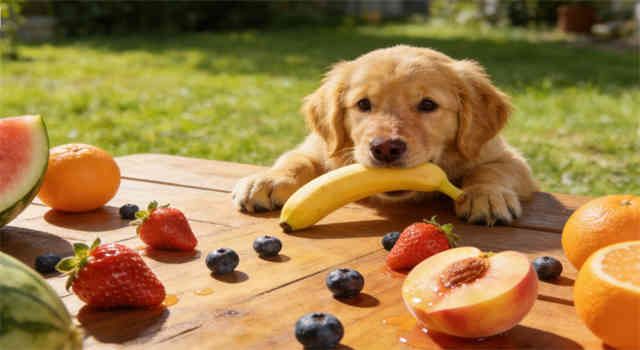
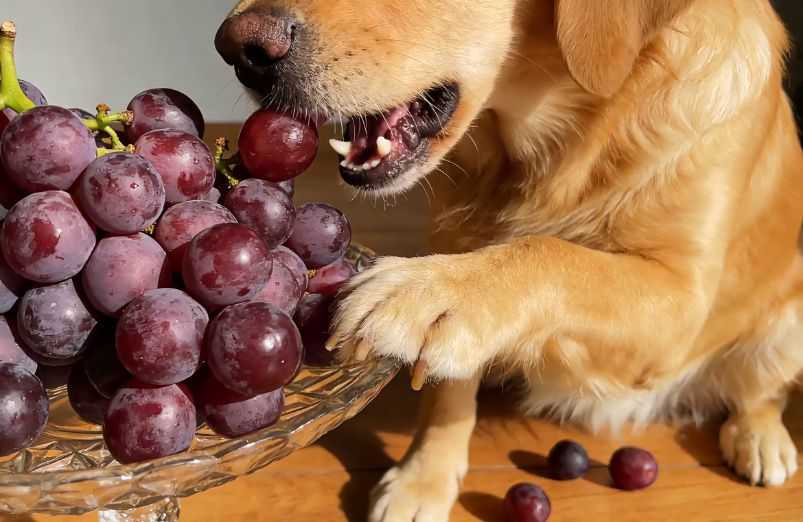
Besides grapes and raisins,fruits such as avocados,wild berries,and cherries can also cause illness in dogs.Specific dangers are as follows:
1.Avocados:High in fat,excessive consumption by dogs may cause gastrointestinal upset and obesity.
2.Wild Berries:Some wild berries contain toxic compounds;accidental ingestion by dogs may cause poisoning symptoms.
3.Cherries:Cherry stems,leaves,and pits contain cyanide,which is toxic to dogs.However,cherry flesh itself does not contain toxins.Even after removing the stems,leaves,and pits,excessive feeding should be avoided.