Information
- Home
- dogs

Currently,our understanding of the potential benefits of probiotics for dogs is still in its early stages.
Unfortunately,veterinary research on the effectiveness of pet probiotics is not widespread,and existing research findings are sometimes contradictory.
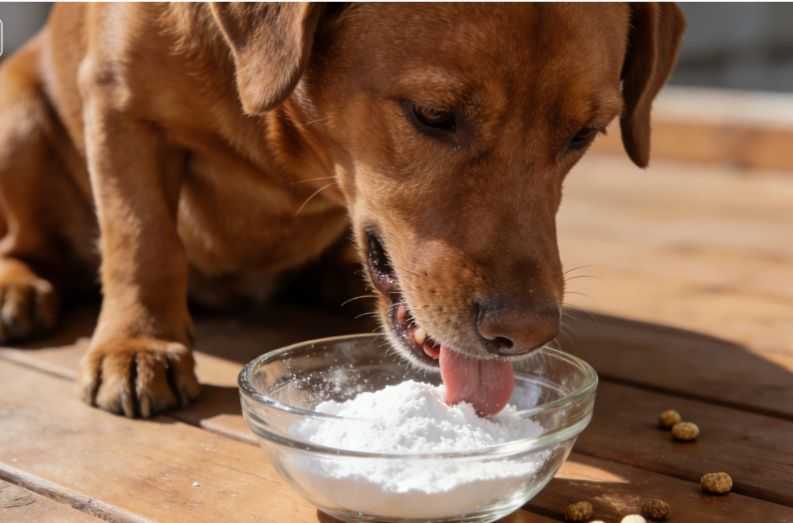
Nevertheless,in specific situations,probiotics can help dogs achieve the following effects:
-Promote digestive function
-Regulate the body's immune system function
-Improve gut health by generating short-chain fatty acids,thereby inhibiting the growth of harmful bacteria
-Relieve symptoms related to diarrhea,irritable bowel syndrome,and intestinal inflammation
-Reduce the frequency of urinary tract infections
-Reduce the severity of allergic reactions
-Help dogs maintain emotional stability
What are probiotics for dogs?
Probiotics are a class of beneficial microorganisms that colonize the digestive tract.Billions of these bacteria(including some yeasts)exist in the gastrointestinal systems of many animals,including dogs.These beneficial gut microbes can regulate the body's internal environment,thereby playing a role in preventing disease and promoting health.
Gut microbiota primarily perform the following physiological functions:
-Assist in the breakdown of ingested food
-Synthesize nutrients and vitamins needed by the body
-Resist the invasion of potential pathogens
-Enhance the body's immune system
-Interact with the"gut-brain axis,"which plays a crucial role in mood regulation.
What is the difference between prebiotics and probiotics for dogs?
You may have heard of prebiotics.The core difference is as follows:Prebiotics are dietary fibers whose main function is to nourish and promote the growth and reproduction of beneficial bacteria already present in the colon.In simple terms,prebiotics are like a"nutrient source"for probiotics.
Prebiotics are typically found in high-fiber foods.
Some pet foods already contain prebiotics,such as Hill's Scientific Formula Adult Dog Perfect Digestion Dry Dog Food,which specifically includes ActivBiome+,a dedicated prebiotic blend designed to support the digestive health of dogs.
Benefits of Probiotics for Dogs
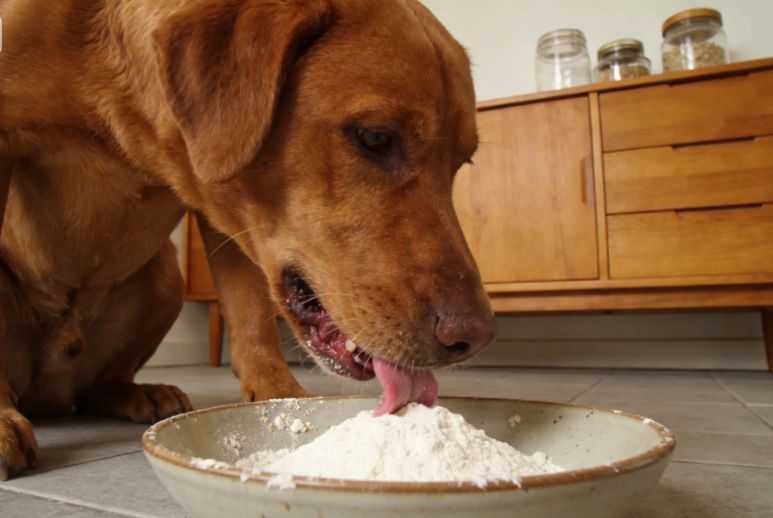
The core function of probiotics is to maintain an ideal balance in a dog's gut microbiota,essentially ensuring the dynamic stability of their intestinal health.
Generally,healthy dogs can naturally maintain a balanced digestive microbiota.However,under stress,illness,or malnutrition,this balance can occur.
Studies have shown that many dogs with imbalanced gut microbiota experience significant improvements in their health after taking probiotic supplements.
Related research indicates that specific strains of probiotics can provide targeted benefits for dogs.For example,some Lactobacillus and Bifidobacterium strains can:
-Inhibit yeast overgrowth while supporting immune system function
-Prevent anxiety in dogs
-Reduce stress responses in dogs
-Alleviate symptoms related to diarrhea and food allergies
In addition,some Bacillus strains can help enhance the body's immune response,while Enterococcus faecalis has been shown to shorten the course of diarrhea in dogs.
Can probiotics help relieve diarrhea in dogs?
Yes.Probiotics can effectively improve diarrhea symptoms in dogs caused by:
-Stress reactions from factors such as boarding,moving,or disruption of daily routines
-Sudden changes in diet,such as the intake of new or unfamiliar foods
-Gut microbiota imbalance caused by long-term antibiotic use
Probiotics may also be effective in improving diarrhea caused by infection-induced gut microbiota overgrowth.
Can probiotics help relieve allergies in dogs?
Some specific strains of probiotics have been shown to modulate the body's immune system function and inhibit the activity of inflammatory molecules,such as IgE antibodies involved in allergic reactions.
A recent study found that dogs with canine atopic dermatitis had significantly lower gut microbiota diversity than healthy dogs.
These results indicate a correlation between gut microbiota imbalance and canine atopic dermatitis;probiotic supplementation can alleviate the severity of allergy symptoms in dogs by regulating gut microbiota balance.
Signs Your Dog Needs Probiotics
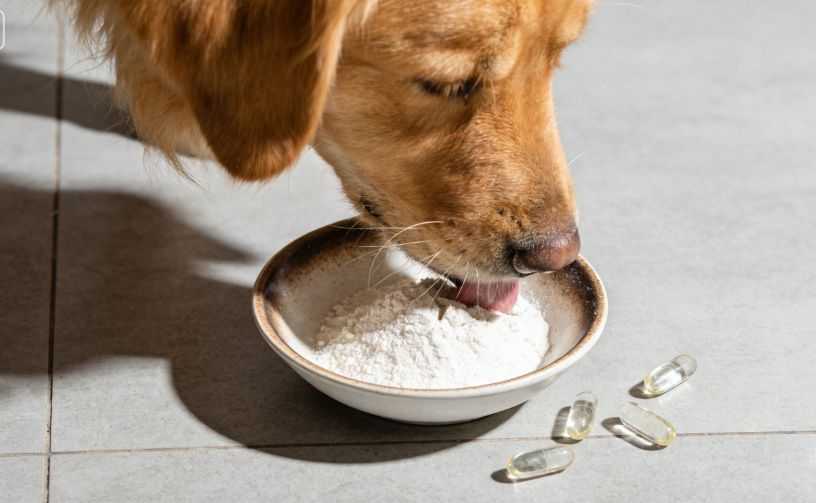
If your dog frequently exhibits the following health problems,it may need probiotic supplementation:
-Loose stools or diarrhea
-Constipation
-Chronic skin inflammation
-Frequent urinary tract infections
-Signs of anxiety,such as excessive barking,whimpering,jumping,and pacing
Types of Dog Probiotics
Dog probiotics are available in various forms.Some dog foods already contain probiotics in their ingredient lists,such as Purina Pro Plan Complete Essentials and BlueJack True Solutions Blissful Belly.
If you check the ingredient list on probiotic-containing dog food packaging,you can clearly see the types of bacterial strains added.
However,it is generally recommended to prioritize dog-specific probiotic supplements in powder,capsule,or chewable tablet form.
These supplements provide dogs with a more abundant supply of live microorganisms,and their product labels will clearly indicate the recommended dosage and frequency of use.
Can dogs take human probiotics?Dogs can take human probiotics,and these probiotics pose no significant harm to pets.However,it's important to note that the gut microbiota composition of dogs differs from that of humans.Therefore,the benefits of human probiotics may not be as significant as those from canine-specific probiotic supplements.
Probiotics specifically designed for dogs take this difference into account,and their product labels will indicate the dosage instructions tailored to a dog's physiological needs.
Side Effects of Canine Probiotics
Some dogs may experience mild side effects when starting probiotics,especially at higher doses.These may include:
-Digestive upset
-Diarrhea
-Bloating
-Gas
-Constipation
These digestive symptoms may temporarily worsen initially,then gradually improve.Changes in appetite may be an early sign of adverse reactions in dogs.
If your dog does not respond well to probiotics,or if you have any concerns about its digestive health,it is recommended to consult a veterinarian promptly.
Frequently Asked Questions about Canine Probiotics
Can puppies take probiotics?
Yes.Puppies can take canine-specific probiotics,which help establish a stable gut microbiota balance,supporting immune system development and reducing the likelihood of diarrhea,constipation,and gastrointestinal infections.
Can dogs eat yogurt and other foods containing probiotics?
Some human foods(such as yogurt,kefir,and fermented vegetables like sauerkraut)contain live probiotics,which may be beneficial for some dogs.However,it's important to note that introducing new foods into a dog's diet may cause health problems such as diarrhea.Therefore,probiotic supplements are generally safer.
If you choose to feed your dog human food containing probiotics,be sure to carefully read the product label and prioritize all-natural,sugar-free products without artificial sweeteners(especially xylitol),as xylitol is toxic to dogs.
Do dogs need probiotics?
Not all dogs need probiotic supplements.For example,dogs with severely weakened immune systems are generally not recommended to take probiotics.Therefore,consulting a veterinarian to determine if your dog needs probiotic supplementation is extremely important.
How long does it take for probiotics to take effect in dogs?
According to manufacturers of canine probiotic products,probiotics can typically significantly improve a dog's digestive and immune health within four weeks,and effectively reduce anxiety within six weeks.