Information
- Home
- dogs
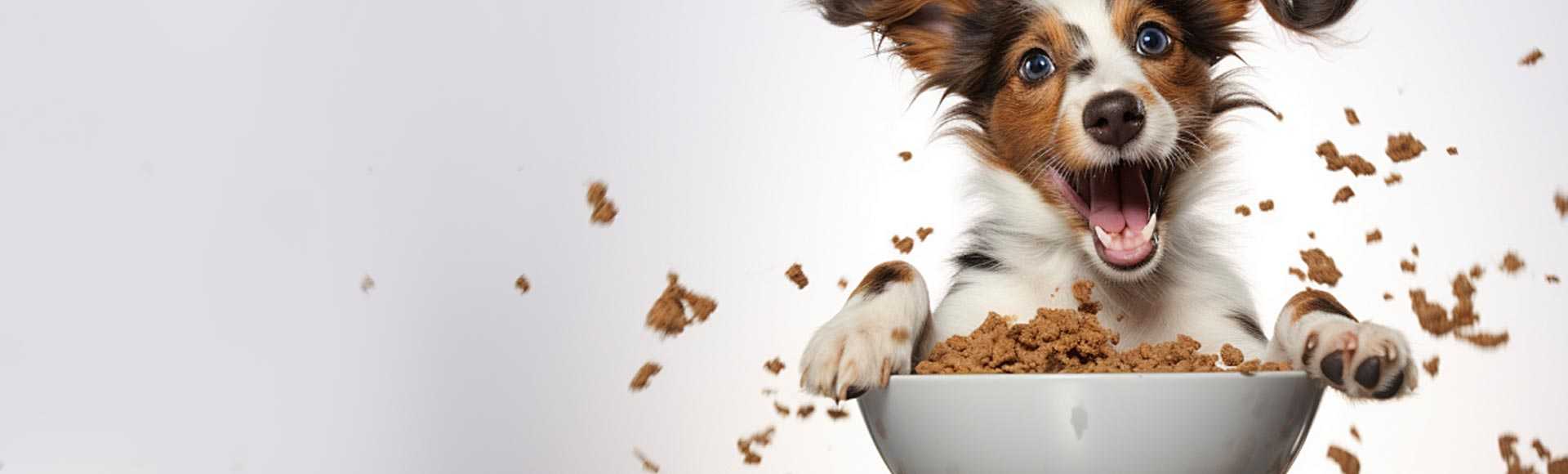
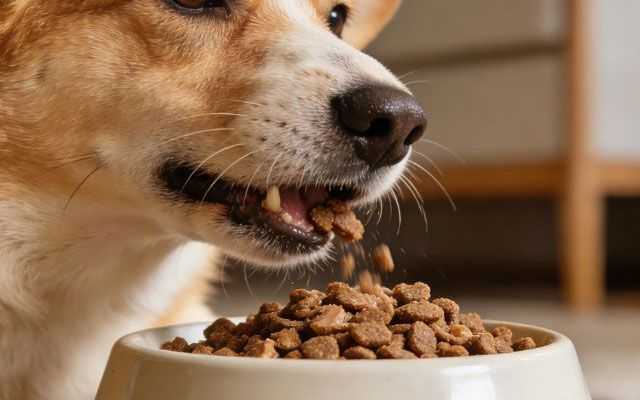
If you have both a dog and a cat at home,you've likely encountered situations where your dog steals cat food.Most dogs seem unable to resist the allure of cat food,but whether a dog can eat cat food and whether this poses any health risks needs to be determined on a case-by-case basis.
While accidentally ingesting small amounts of cat food usually doesn't harm most dogs,it's still not recommended to feed them cat food regularly.
The following will explain the consequences of dogs overeating cat food,the key differences between dog food and cat food,and other related precautions.
Key Points Summary
-Ingesting small amounts of cat food generally won't affect the health of most dogs,but it's not recommended to intentionally feed them cat food.
-Overeating cat food may cause stomach upset,pancreatitis,and other health problems in dogs.
-Compared to dog food,cat food has a higher protein and fat content,and its overall nutritional composition is significantly different.
Key Differences Between Dog Food and Cat Food
Although dog food and cat food may look similar,their nutritional ratios and nutritional suitability are fundamentally different.Most cat foods have significantly higher protein and fat content than their counterparts in dog food,and the two also differ in their requirements for amino acids,essential fatty acids,vitamins,and minerals.
The following outlines the key nutritional differences between dog and cat food,based on the AAFCO(American Association of Feed Control Officials)minimum nutritional standards for adult dogs and cats:
Nutritional Components
AAFCO Minimum Nutritional Standards for Adult Dogs
AAFCO Minimum Nutritional Standards for Adult Cats
Protein
18%
26%
Fat
5.5%
9%
Taurine
0
0.1%(dry food),0.2%(canned food)
Arachidonic Acid
0
0.02%
Vitamin A
5,000 IU/kg
3332 IU/kg(Original unit missing,supplemented with standardized unit for consistency)
Calcium
0.5%
0.6%
The nutritional needs of dogs and cats differ fundamentally:dogs are omnivores and can obtain their required nutrients through animal-derived components or some plant-derived components;while cats are obligate carnivores,and their nutritional needs can only be met through animal-derived components.
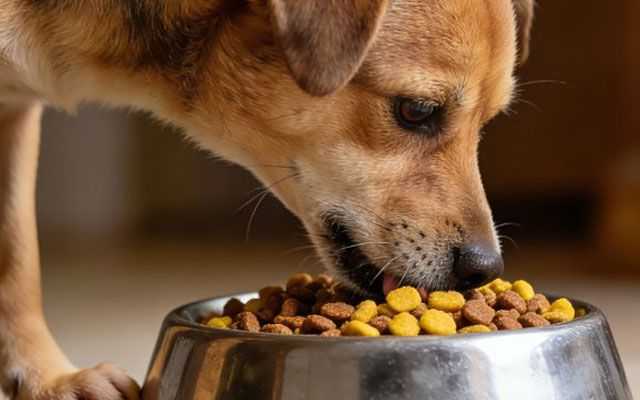
It is important to note that dogs should be fed a nutritionally balanced dog food tailored to their life stage and size.Prioritize brands recommended by veterinarians,such as Royal Canin,Hill's,and Purina ProCare.
Can dogs eat cat food?
Cat food is not an ideal food for dogs.If owners notice their dog has a poor appetite,they should take it to the vet promptly to rule out underlying diseases and consult a veterinarian for professional advice on dietary adjustments.
The veterinarian may prescribe medication to stimulate appetite or relieve nausea,depending on the dog's condition.For dogs recovering from illness,injury,or surgery that require additional calories and protein,the veterinarian may recommend a therapeutic prescription diet.
Are there any harmful effects of cat food on dogs?
Cat food can be more harmful to dogs with certain health conditions,including:
-Dogs that require a low-fat,medium-protein diet;
-Dogs with a history of pancreatitis,hyperlipidemia,chronic kidney disease,liver disease,or gastrointestinal sensitivities.
If a dog is fed cat food long-term,weight gain may become a significant problem.Meanwhile,any dogmay experience health problems after overeating cat food.The specific tolerance level is affected by various factors,such as the nutritional composition of the cat food,the dog's size,and its daily diet and health condition.
Be alert for the following symptoms after your dog eats cat food:
-Abdominal discomfort
-Vomiting
-Diarrhea
-Loss of appetite
How to handle a dog that has accidentally eaten cat food
If your dog exhibits any of the above symptoms after eating cat food,contact a veterinarian immediately for professional guidance.
If your dog shows no obvious abnormalities,continue to observe it for vomiting,diarrhea,or other potential health problems.
If your dog has ingested a large amount of cat food(more than its normal daily intake),stop feeding it at the next meal and resume its regular diet after the scheduled feeding cycle.
How to prevent your dog from stealing cat food?
Here are some practical suggestions to prevent your dog from stealing cat food:
-Use door latches:Latch the door to a gap that only allows the cat to pass through,preventing other dogs(except small breeds)from entering the cat's eating area.This method is simple and economical.-Install a dedicated cat door:If the dog and cat are similar in size,an electronic cat door can be used.It will only open when a cat wearing the corresponding tag approaches,preventing the dog from accidentally entering.
-Use a smart feeder:Choose a chip-sensor or RFID-sensor feeder.Activated by a pet-specific chip or RFID collar tag,it allows only the cat to trigger the opening,preventing the dog from accessing cat food at the source.
-Feeding from a height:If the cat enjoys climbing and the dog does not,a feeding point can be set up at a high place such as a cat tree,using the height difference to block the dog.
-Separate feeding:If the cat is fed on a timed basis(not 24/7),a cat cage or a barrier can be used to separate the dog and cat,ensuring the cat is not disturbed while eating.
Frequently Asked Questions
Q:Will dogs die from eating cat food?
It is extremely rare for dogs to die from eating cat food.The most likely cause is severe pancreatitis or other fatal diseases due to overeating.Most dogs will not experience obvious health problems after accidentally ingesting small amounts of cat food.If your dog shows signs of discomfort after eating cat food,consult a veterinarian immediately.
Q:What should I do if my dogonly wants to eat cat food?
If your dog prefers cat food,try choosing a dog food with similar ingredients,such as canned dog food with chicken as the main ingredient,to gradually introduce it to a dog diet.
Q:Can I feed my dogcat food?
Only feed your dog cat food if explicitly advised by a veterinarian.Cat food is too high in protein and fat for most dogs and cannot meet their long-term nutritional needs,making it unsuitable as a regular food.