Information
- Home
- dogs

Some human foods can be given to dogs as occasional treats,such as carrots,hard-boiled eggs,or even a slice or two of apple.But is mint suitable for dogs?While dogs can ingest a few mint leaves,it offers no overall benefit,and dogs do not need to eat mint as this herb provides no nutritional or health support.
Can Dogs Eat Mint?
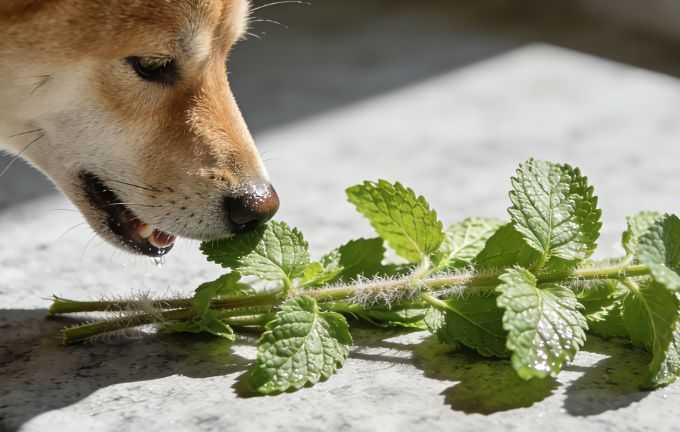
Most pet owners worry about their dogs'intake when they find mint crumbs around their mouths or unusually fresh breath.Therefore,it is crucial to understand which mint products pose a real risk to dogs,as detailed below.
Mint Leaves
Amber Karwacki,a partner and veterinarian at Heart+Paw Veterinary Clinic,points out that if a dog ingests more than one or two mint leaves,it may cause symptoms such as oral and nasal irritation,vomiting,and diarrhea.
Mint is not considered a poisonous plant for dogs,although they typically do not show interest in it.If you need to add a small amount of chopped fresh mint(thoroughly washed and dried)to your dog's breath freshener,one or two teaspoons is safe.However,it should not be added daily and should only be used occasionally.
Peppermint Candies
Dogs should never eat peppermint candies.Dr.Kavatsky states,"Many hard candies contain the artificial sweetener xylitol,which is toxic to dogs and can cause a sharp drop in blood sugar.If not treated promptly,this can lead to seizures or even coma."Furthermore,if a dog accidentally ingests packaged peppermint candies,packaging residue can cause intestinal obstruction.
Peppermint Essential Oil
Dogs should never come into contact with peppermint essential oil.All essential oils are toxic to dogs.These concentrated organic plant compounds can cause inflammation of the mouth and throat,drooling,and vomiting.Dr.Kavatsky adds that even inhaling peppermint essential oil can cause symptoms such as wheezing,coughing,and difficulty breathing in dogs,so extra caution should be taken when choosing aromatherapy diffusers.
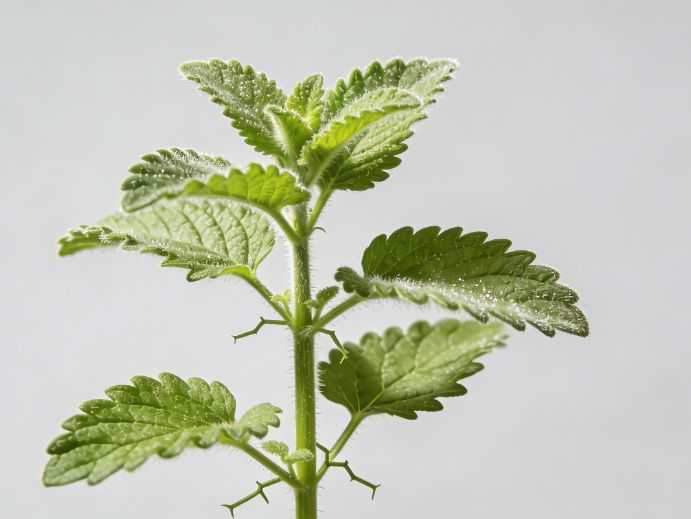
While peppermint essential oil can help relieve stress in humans,it should never be used to relieve stress in dogs.Essential oils are easily absorbed through the skin and require liver metabolism,posing a significant risk to dogs and puppies with liver disease.Even small amounts of contact can be harmful.If your dog is experiencing anxiety,it's recommended to consult a veterinarian for recommendations on appropriate supplements or medications.Consulting a dog trainer or animal behavior specialist can also help identify the root cause of the anxiety and develop a solution.
Peppermint Chocolate
Dogs should absolutely not eat peppermint chocolate.The primary reason is that chocolate is toxic to dogs.The caffeine and theobromine in chocolate can irritate a dog's cardiovascular and nervous systems,posing a serious threat to their health.
Related Frequently Asked Questions
Can peppermint relieve a dog's stomach upset?
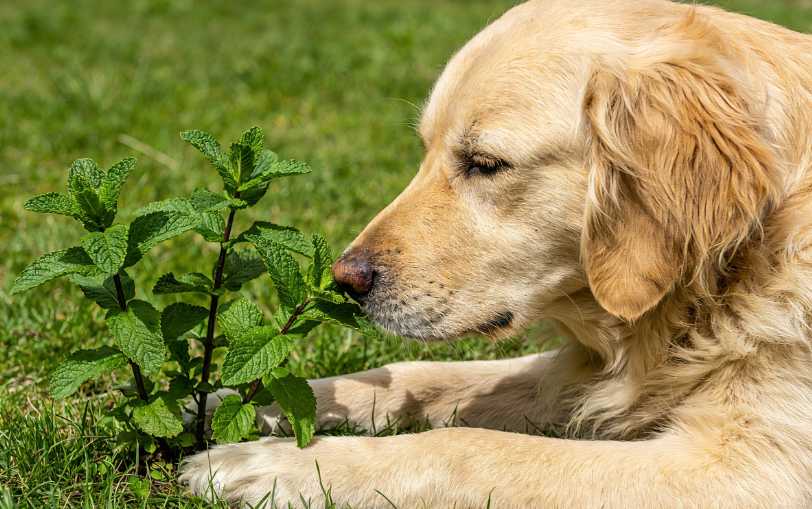
Dr.Kavatsky clearly states,"Peppermint should not be used as a home remedy for a dog's stomach upset.Excessive peppermint intake can lead to poisoning,requiring immediate veterinary attention."If a dog only experiences mild gastrointestinal upset without other serious symptoms,most veterinarians recommend feeding it a bland,easily digestible diet for several days,which is the best way to relieve stomach upset.If this method fails to improve symptoms,contact a veterinarian immediately.
What should you do if your dog has ingested mint?
Dr.Kavatsky emphasizes that if you discover your dog has ingested mint,you should take it to a veterinarian as soon as possible."If you arrive at the vet within an hour of ingestion,the veterinarian will induce vomiting and then administer activated charcoal to absorb any remaining toxins."It is crucial to note that unless explicitly instructed by a veterinarian,never attempt to induce vomiting or administer any medication to your dog at home.