Information
- Home
- dogs

If rosemary adds flavor to human diets and may even offer certain health benefits,pet owners might wonder if this fragrant evergreen herb can provide the same value for their dogs.But is it safe to add rosemary to dog food?Should one refrain from sharing rosemary with their pet?
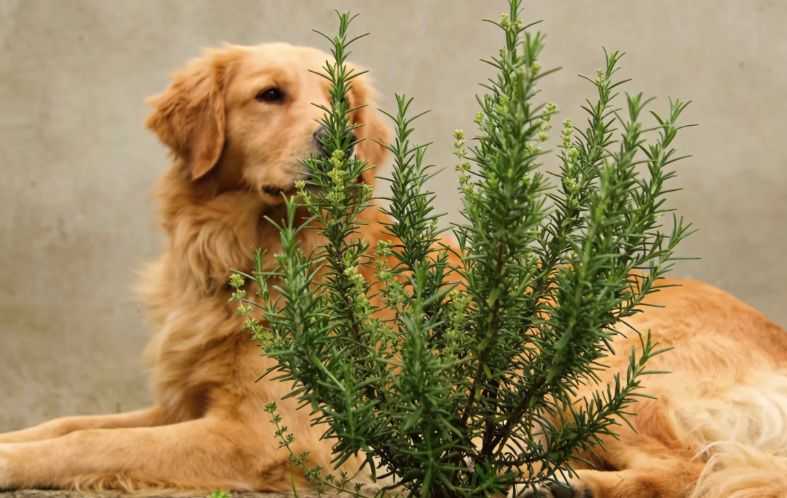
As with all pet diet adjustments,the safest approach regarding the safety of rosemary for dogs is to consult a veterinarian.Generally,fresh or dried rosemary is safe for dogs.Since some commercial dog foods and treats already contain rosemary extract,most dogs are likely already familiar with the plant's scent and composition.It is crucial to note that rosemary essential oil poses a clear safety risk to dogs and should be strictly avoided,whether for internal or external use.

Based on these considerations,we specifically consulted veterinary nutrition experts to answer key questions related to rosemary and dogs,aiming to facilitate more efficient communication between pet owners and veterinary teams regarding pet nutrition management.
Is rosemary safe for dogs?
The safety of rosemary for dogs cannot be generalized,primarily for two reasons.First,rosemary exists in various forms,and the safety of one form does not apply to all forms.Second,individual dogs vary significantly in their constitution;food safe for one dog may pose a health threat to another.These subtle nutritional differences necessitate the involvement of a veterinary team in any pet diet adjustment decisions.
Fresh vs.Dried Rosemary
Principal Veterinary Officer,Dr.Kurt Venator,states that healthy dogs can generally safely consume small amounts of fresh or dried rosemary.The American Society for the Prevention of Cruelty to Animals(ASPCA)also clearly states that rosemary is non-toxic to dogs,felines,and horses.Therefore,if you grow rosemary in your garden,there is no need to be overly concerned about its toxicity risk to dogs.
However,this does not mean that rosemary can be added to dog food indiscriminately.Dr.Venato explained,"Some dogs may be allergic to rosemary,so pet owners are advised to consult a veterinarian before adding any herbs(even those generally considered safe)to their pets."Furthermore,a veterinarian can help determine the safe dosage of fresh or dried rosemary for a dog,and the dosage must be precisely adjusted based on the dog's size.For example,the dosage suitable for a Chow Chow should be reduced accordingly for a Chihuahua to avoid adverse reactions due to improper dosage.
Rosemary Essential Oil vs.Extract
Dr.Venato emphasized that rosemary essential oil and rosemary extract are not the same thing and should not be confused.Rosemary extract is a product made by extracting the active ingredients of the herb using solvents(such as alcohol).It is usually classified as Generally Recognized As Safe(GRAS)by the U.S.Food and Drug Administration(FDA)and may appear in the ingredient lists of human foods(including seasonings,fresh minced meat,etc.)as well as dog food and treats.
Rosemary essential oil has a much higher concentration than extract and is completely unsuitable for dogs.The American Society for the Prevention of Cruelty to Animals(ASPCA)points out that dogs that ingest rosemary essential oil may experience gastrointestinal reactions such as vomiting and diarrhea.Even applying undiluted essential oil(also known as volatile oil)to a dog's skin can cause muscle weakness and behavioral abnormalities.Given that dogs have a far more sensitive sense of smell than humans,pets should be kept away from essential oil diffusers,especially dogs with respiratory illnesses,who should be strictly protected from such environments.
Dr.Elena Leavitt,a clinical nutrition resident at the University of Missouri-Columbia College of Veterinary Medicine,adds that there are currently no unified regulatory standards for key indicators such as the source,concentration,and dosage of rosemary essential oil,and there is no comprehensive post-product evaluation system for the products."This significant difference means that even the same essential oil produced by the same company may have inconsistent ingredients in two different bottles,further increasing the uncertainty of the risks after pet exposure."
Does feeding rosemary have health benefits for dogs?
There is currently no definitive conclusion regarding whether rosemary has clear health benefits for dogs.Dr.Venato stated that current peer-reviewed scientific research on the health benefits of herbs for pets is relatively scarce,making it impossible to confirm their positive effects on dogs.
If pet owners are concerned that their dogs are not getting enough nutrition from their current diet,it is recommended to consult a veterinarian before adding herbs such as rosemary.Dr.Levitt explained,"If the food a pet eats is appropriate for its age,breed,and disease management needs(if applicable),and is nutritionally complete and balanced(providing all essential nutrients),complies with the World Small Animal Veterinary Association(WSAVA)guidelines,and is stored in a temperature-controlled,airtight container,then almost no additional nutritional supplementation is needed to maintain the pet's optimal health."
Rosemary and Dog Food Storage Safety

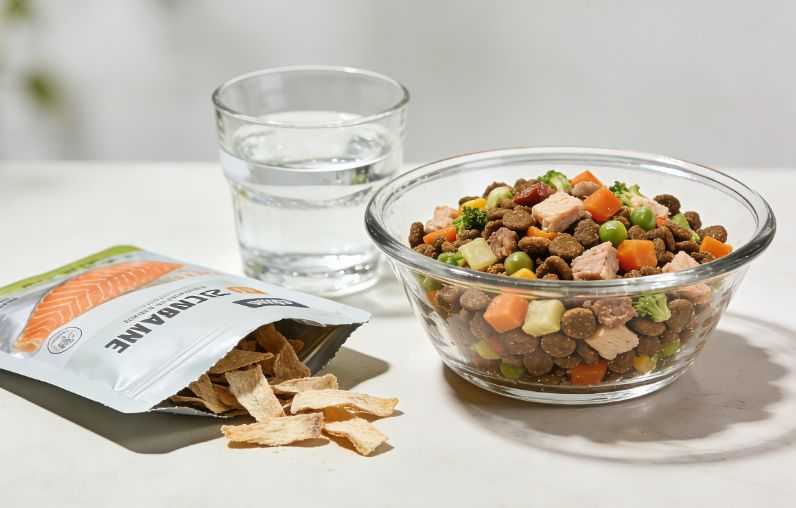
Rosemary extract is added to dog food and treats primarily to extend shelf life,not to improve the dog's health,in addition to enhancing flavor.This is because the polyphenolic compounds in rosemary extract have both antioxidant and antibacterial properties,effectively delaying food spoilage and contributing to food storage stability.
Dr.Lisa Weiss,a veterinarian at the Metropolitan Animal Hospital in Los Angeles and a specialist in veterinary internal medicine(nutrition),points out,"Rosemary extract is a relatively weak food preservative,meaning that storage conditions(especially temperature)have a more noticeable effect on pet food containing this ingredient than on food containing other stronger preservatives."
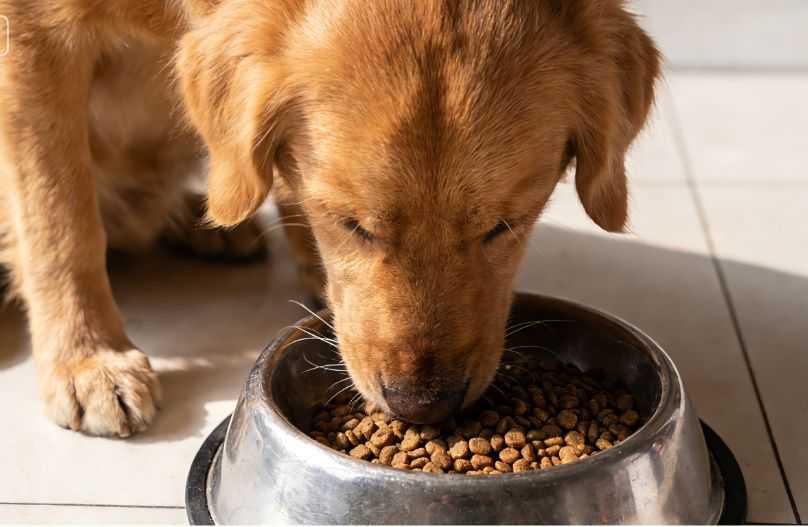
Dr.Weiss recommends that dog food should be consumed within one month of opening."Furthermore,pets have a much more sensitive sense of smell than humans,"she adds."If you find that your dog refuses to eat a previously favorite treat three weeks or more after it has been opened,it means the food may have spoiled and should be discarded immediately to avoid affecting your pet's health."