Information
- Home
- dogs
In today's environment where processed foods are widely available,carrots,as a natural food,have been proven by pet nutrition research and clinical practice to be not only suitable for dogs but also provide them with a variety of nutritional support.Even the green parts of carrots,which humans typically don't eat,offer certain benefits for dogs,making them an excellent choice for pet ownership.
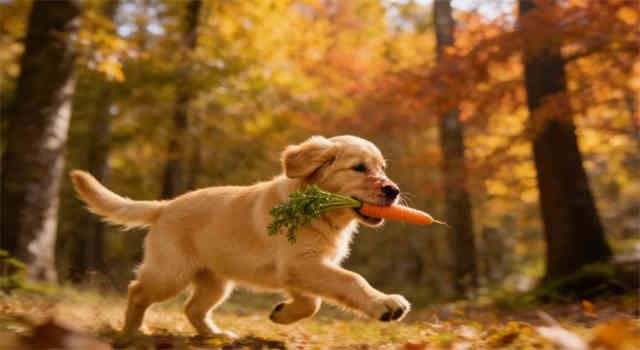
Of course,dogs'acceptance of carrots varies from person to person;not all dogs will like this food.
"Some dogs love carrots,while others don't,"says Dr.Ahna Brutlag,a veterinarian,director of veterinary services,and senior veterinary toxicologist at Pet Poison Helpline.Pet Poison Helpline is a leading pet poisoning advice platform in the industry,providing professional answers to questions about pet poisoning for veterinarians and pet owners,and its advice is based on solid clinical experience.
The following information,based on pet nutrition knowledge and veterinary advice,details other important points to know about feeding carrots to dogs:
Scientific Basis for the Benefits of Carrots for Dogs
According to pet nutrition research,carrots are rich in various vitamins and nutrients beneficial to dogs,the most representative being beta-carotene—this natural pigment not only gives carrots their unique orange-red color but can also be converted into vitamin A in the dog's body.Vitamin A is an important nutrient for the health of a dog's retina,effectively maintaining visual function,especially playing a vital role in protecting night vision.It also promotes healthy skin and coat and enhances the body's resistance.
Furthermore,carrots are extremely low in calories,with only about 41 kcal per 100 grams of fresh carrots.They are also rich in dietary fiber,making them less likely to cause obesity in dogs compared to processed pet treats.They can also help promote intestinal peristalsis and maintain a balanced gut microbiota.
Based on veterinary clinical nutrition recommendations,in addition to carrots,the following fruits and vegetables are also proven suitable for dogs and provide rich nutrition:apples(remove cores and seeds to avoid cyanide hazards),fresh peas(avoid canned peas,as canned products usually contain added salt and preservatives,which are not good for dogs'health),green beans(cook before feeding to avoid anti-nutritional factors in raw beans),and broccoli(feed in small amounts,rich in vitamins and dietary fiber)."Some dogs even like lettuce,"Brutrag added.Clinical observations show that some dogs particularly love the crisp veins of romaine lettuce leaves,which is related to their taste preferences and chewing needs.
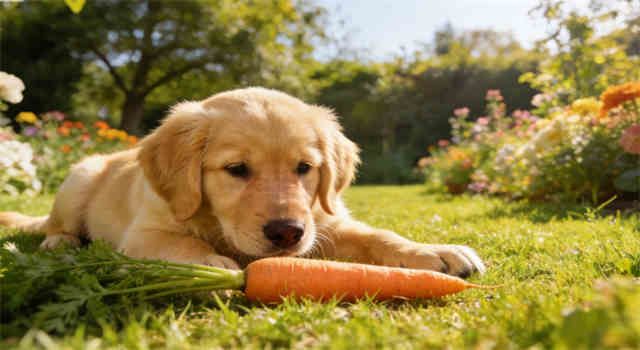
The Correct Way to Feed Carrots to Dogs and Precautions
Veterinary clinical practice has verified that carrots can be fed to dogs raw,dehydrated,or frozen,but the texture and size must be strictly controlled:when feeding raw,ensure the carrots are not too hard to avoid damaging the dog's teeth;after freezing,ensure they are thawed to a suitable temperature.Regardless of the method of feeding,the size must be controlled to prevent the risk of choking.Dogs can eat cooked carrots,but it's crucial not to add any seasonings during cooking,especially avoiding ingredients like onions and garlic,which are toxic to dogs.The sulfides in onions and garlic can damage a dog's red blood cells,causing hemolytic anemia—a clear contraindication confirmed by pet toxicology.
Regarding the amount,based on pet nutritional principles,it's recommended to start with small,chopped carrots.Although carrots are low in calories,they are high in dietary fiber.If a dog's diet is usually low in high-fiber foods,suddenly feeding them large amounts of carrots may increase the burden on their digestive system,leading to discomfort,diarrhea,and other symptoms.This is due to the physiological characteristics of a dog's digestive system—dogs have shorter intestines,and their tolerance to dietary fiber needs to be gradually built up.
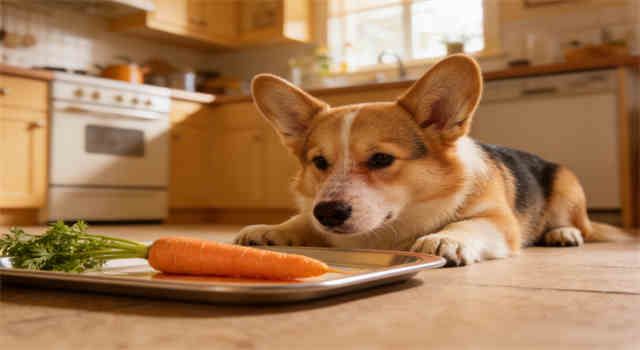
If the dog readily accepts carrots,owners can slice them and place them in a treat-dispensing toy.This method not only prolongs the dog's eating time but also satisfies their chewing and exploration needs,helping to alleviate boredom.This is an interactive feeding method recommended in pet behavior studies.
It's important to note that the size of the carrots given should be adjusted according to the dog's size.“Small carrots can easily get stuck in the esophagus of small dogs like Pomeranians or Shih Tzus,which weigh around 20 pounds(about 9 kilograms),”Brutrag cautioned,citing clinical cases.Larger dogs,if they eat too quickly,may swallow whole carrots without chewing them properly,also posing a choking risk.Therefore,the safest approach is to cut carrots into thin slices or small pieces,appropriate for the dog's chewing ability and esophageal size.
Finally,based on veterinary advice,if owners plan to replace high-fat,high-calorie artificial pet treats with carrots,or are concerned about adverse reactions(such as gastrointestinal upset or allergies)after their dog eats carrots,it is recommended to consult a veterinarian beforehand to develop a personalized feeding plan based on the dog's age,weight,constitution,and daily diet.Furthermore,according to pet nutrition principles,the total intake of carrots and other treats should be strictly controlled to within 10%of the dog's daily total calories to avoid affecting their appetite for regular meals and ensure a balanced nutritional intake.