Information
- Home
- dogs

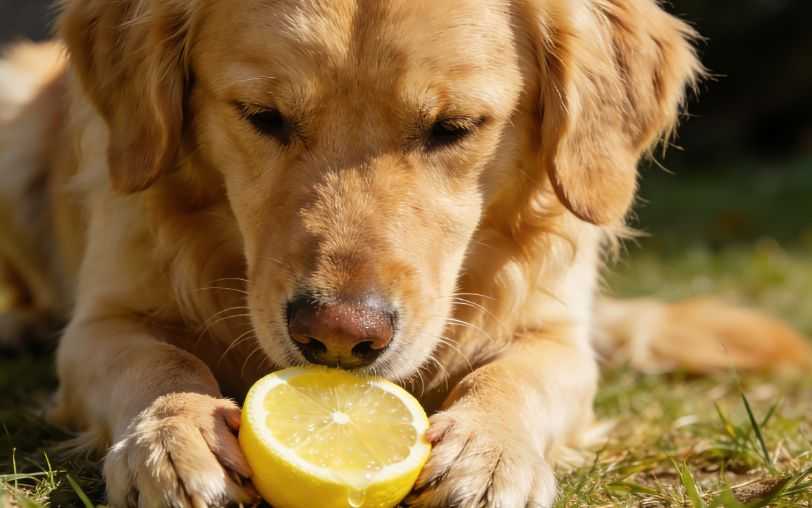
Dogs have a varied diet and are willing to eat almost any type of food,but this doesn't mean all of these foods are beneficial to their health.If your dog has recently ingested a lemon(including lemon slices,lemon cakes,lemonade,etc.),you may be worried about whether you need to rush to the vet or are busy treating its diarrhea and other symptoms.
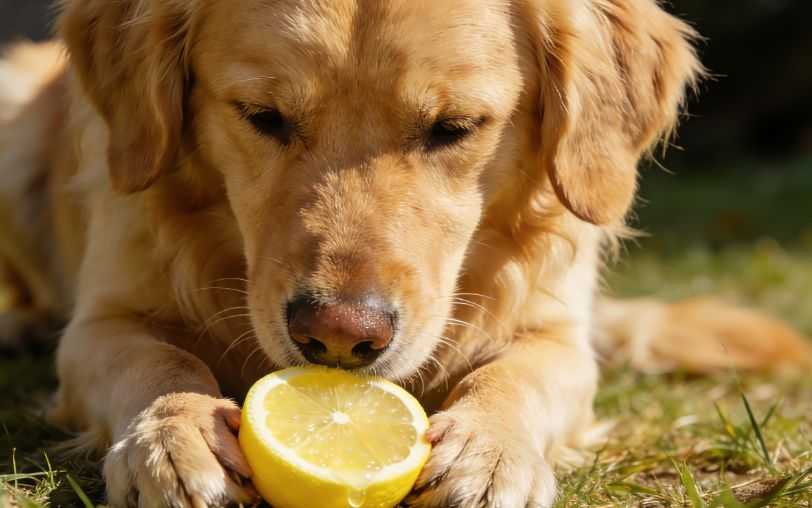
To answer these questions,we interviewed Dr.Leslie Bass,Veterinarian and Medical Director of VCA Algiers Animal Hospital in New Orleans,to discuss the core question of whether dogs can eat lemons,explaining why dogs should not eat citrus fruits and products,and what to do if your dog has accidentally ingested a lemon.
"Some foods that are toxic to pets are often more dangerous than people expect,"Dr.Bass said."A small amount of lemon won't be fatal to a dog,but it's crucial to prevent your pet from eating lemons."Lemons contain several compounds that are toxic to dogs,including citric acid in the pulp and psoralen in the peel.
Dr.Bass points out that excessive intake of citric acid can trigger digestive symptoms such as stomach upset,vomiting,and diarrhea;large pieces of lemon peel can also cause intestinal obstruction,a highly dangerous condition for dogs requiring immediate intervention.

Similar to lemon pulp,lemon juice and lemon oil also contain substances harmful to dogs.Ingestion can cause serious gastrointestinal problems,and in extreme cases,even death.Furthermore,contact with a dog's skin can induce skin irritation.
Even using lemon essential oil for aromatherapy at home can cause discomfort in dogs.The scent of citrus fruits is naturally repulsive to dogs(see related videos for examples),which is why some sprays for correcting undesirable dog behaviors contain citrus scents.
Because dogs naturally dislike the smell of citrus fruits,they usually do not eat them.However,it is common for puppies to accidentally ingest lemon slices or foods containing lemon extract,lemon oil,or lemon juice.If your dog has accidentally ingested a lemon or lemon-containing products,the safest course of action is to contact a veterinarian immediately.
“The dosage of lemon a dog ingests,its health condition,and weight will all influence the subsequent treatment plan,”Dr.Bass emphasized.“Contacting a veterinarian promptly is crucial,especially if the dog has ingested a large amount of lemon or lemon-containing food.In most cases,veterinarians will recommend inducing vomiting to prevent toxin absorption,but the timing of intervention has a significant impact on treatment effectiveness.”
It is recommended to avoid feeding dogs any citrus fruits for the same reasons as lemons—these fruits contain citric acid and other chemicals that may damage a dog's digestive system and liver.
If you need to occasionally give your dog treats,choose fruits more suitable for dogs,such as apples and bananas.Note that fruits contain natural sugars,and dogs do not need additional sugar intake physiologically;excessive feeding can easily lead to weight gain,so the amount of fruit given must be strictly controlled.If you want to increase the frequency of treats,prioritize vegetables with lower natural sugar content,such as carrots and broccoli.
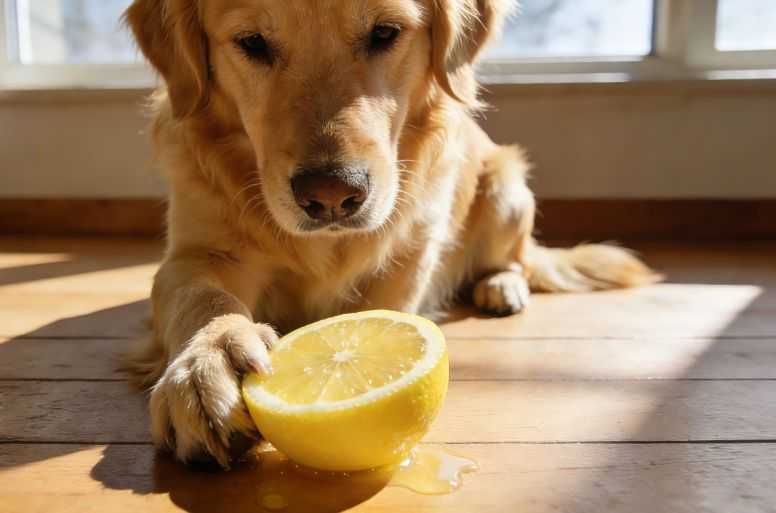
While small amounts of lemon juice usually do not cause serious harm to dogs,there are many safer,tastier,and less likely to cause discomfort treats compared to lemons.Therefore,when you are enjoying citrus fruits and related products,you should place them in an area that your dog cannot reach,and instead feed him fruits or vegetables that are suitable for your dog to ensure his dietary safety.