Information
- Home
- dogs

Honey is a common natural ingredient used by humans to enhance the sweetness of snacks,but whether it's suitable for dogs and safe for their health are core concerns for many pet owners.

The answer is clear:as a natural sweetener,honey does offer certain health benefits to dogs in good health,but the key is strict control of the amount fed.Excessive feeding can burden a dog's health.
Similar to most human-safe foods,honey has both benefits and drawbacks for dogs.Based on veterinary research and clinical feeding experience,the following is a detailed overview of key information regarding honey for dogs,providing a basis for scientific feeding practices.
According to standard veterinary advice,always consult a veterinarian before introducing any new food to your dog(especially human food).This is because there are significant differences in the physiological conditions of different dogs—age,past health history,current physical condition,and daily diet all affect their tolerance to food.It is especially important to note that dogs on prescription diets,which are specifically formulated for their health conditions(such as kidney disease,diabetes,or gastrointestinal disorders),should never be fed any food or treats other than their prescription diet without a veterinarian's permission.This is to avoid disrupting the therapeutic effect and worsening their condition.
Can dogs eat honey?
From a pet nutrition perspective,healthy dogs can eat honey in moderation.However,honey's main components are glucose and fructose(totaling approximately 60%-80%),and it is high in calories(approximately 320 calories per 100 grams).Therefore,it is only suitable as an occasional treat and should not be fed regularly.
It is particularly important to note that dogs with compromised immune systems(such as those undergoing chemotherapy or suffering from immunodeficiency diseases)and puppies under one year old should strictly avoid eating raw honey(honey that has not been pasteurized).This taboo has clear medical basis:raw honey may contain spores of Clostridium botulinum,a bacterium that can cause botulism—a fatal neurological disease that causes symptoms such as muscle weakness,difficulty breathing,and difficulty swallowing in dogs,and can be life-threatening in severe cases.
From the perspective of canine physiological development,a puppy's immune system does not fully mature until around one year of age.Before that,its immune function is weak and unable to effectively resist the invasion of Clostridium botulinum spores,making its risk of infection much higher than that of adult dogs.Dogs with compromised immune systems already have insufficient defense capabilities,and the probability of contracting Clostridium botulinum after consuming raw honey will significantly increase.

Is honey beneficial for dogs?
Pet nutrition studies have confirmed that honey is not only non-toxic for healthy adult dogs with fully developed immune systems,but small amounts can also provide several health benefits,specifically:
1.Rich in natural antioxidants:Honey contains flavonoids,phenolic acids,and other antioxidants.These components help eliminate free radicals in the dog's body,reducing oxidative damage to cells,helping to maintain cell health and enhance the body's resistance.2.Assisted Wound Care:Based on clinical pet care experience,some special varieties of honey(such as Manuka honey)contain significantly higher levels of antibacterial compounds(such as methylglyoxal)than regular honey,exhibiting strong antibacterial properties.This can inhibit bacterial growth on the wound surface,aiding in wound healing,and is especially suitable for assisting in the care of minor injuries(consult a veterinarian before use to avoid allergic reactions).
3.Supplementing Multiple Nutrients:Honey contains various vitamins and minerals needed by dogs,including:
-Vitamins:Ascorbic acid(vitamin C),pantothenic acid(vitamin B5),niacin(vitamin B3),riboflavin(vitamin B2)
-Minerals:Calcium(maintains bone health),copper(promotes iron absorption),iron(prevents iron-deficiency anemia),magnesium(regulates nerve and muscle function),manganese(participates in metabolic processes),phosphorus(works with calcium to protect bones),potassium(maintains electrolyte balance),zinc(enhances immunity)
Is honey harmful to dogs?
While honey offers numerous health benefits,its high sugar content means that excessive consumption can be significantly harmful to dogs,given their physiological and metabolic characteristics.Dogs'digestive and metabolic systems have a much lower tolerance for sugar than humans.Long-term,repeated feeding of sugar,or large amounts at once,will gradually damage their health.
Short-term excessive sugar intake can directly cause gastrointestinal disorders in dogs,resulting in a series of mild but uncomfortable symptoms.Common clinical manifestations include:
-Decreased appetite:Increased burden on the digestive system leads to a reduced willingness to eat.
-Fatigue and weakness:Abnormal sugar metabolism affects energy supply.
-Diarrhea or constipation:Intestinal flora imbalance and peristalsis disorder.
-Vomiting:Reflexive vomiting due to gastrointestinal irritation.
In the long term,the harm of excessive sugar intake is even more serious:Sustained high sugar intake leads to excess calories in dogs,resulting in obesity.Obesity significantly increases the risk of chronic diseases such as diabetes,joint disease,and cardiovascular disease in dogs,a fact confirmed by veterinary clinical data.

How much honey can dogs safely consume?According to the American Association of Feed Control Officials(AAFCO)and relevant domestic pet nutrition recommendations,honey should absolutely not be part of a dog's daily diet.The total calories from all treats a dog consumes daily(including honey)should not exceed 10%of its total daily calorie requirement.The remaining 90%of calories must come from nutritionally balanced dog food—this is a key principle for ensuring a dog's comprehensive nutrition and avoiding dietary imbalances.
Furthermore,when introducing honey to a dog for the first time,follow the principle of"gradual introduction":consult a veterinarian to confirm that your dog's health condition is suitable for honey.Start with a very small amount(e.g.,1-2 drops for small dogs,5-10 drops for large dogs),and observe for 24-48 hours to check for any allergic or intolerance reactions such as vomiting,diarrhea,or itchy skin.Once no abnormalities are confirmed,adjust the feeding amount according to the dog's size.
How to safely feed honey to your dog?
Besides letting your dog lick a small amount of honey directly from a spoon,here are some more scientific,fun,and safe feeding methods that consider both taste and safety,taking into account your dog's eating habits and preferences:
1.Homemade Dog Treats
Honey is a safe ingredient for homemade dog treats and can improve their palatability.For example,you can make honey-roasted pork meatballs(use lean,unsalted,and unseasoned meat,mix with a small amount of honey,and roast,ensuring no onions,garlic,or other ingredients toxic to dogs are added);you can also make dog-specific hot chocolate(dissolve a small amount of unsweetened cocoa powder in warm water,add a few drops of honey for flavor,avoiding the addition of harmful ingredients such as milk and xylitol),suitable as an occasional reward.
2.Freezing into KONG Toys
Mix a small amount of honey with xylitol-free peanut butter(xylitol is toxic to dogs and must be carefully selected),fill the KONG toy,and freeze overnight.This method not only allows dogs to enjoy the sweetness of honey but also helps them expend energy chewing on toys.The frozen texture also soothes oral discomfort(especially suitable for summer or teething periods).
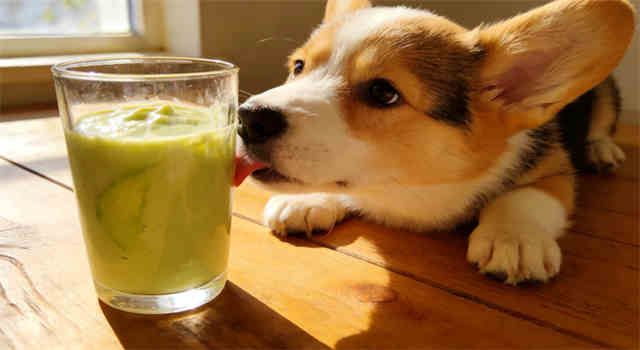
3.Add to dog-specific smoothies
Honey is an excellent ingredient for dog smoothies.To make it,combine a small amount of honey with dog-safe fruits(such as apples or blueberries,with the pits removed)and vegetables(such as carrots or pumpkin).Then add an appropriate amount of plain,unsweetened,xylitol-free Greek yogurt and stir well.If your dog is lactose intolerant(most dogs lack the enzyme lactase),use dairy-free yogurt or coconut milk instead to avoid gastrointestinal upset.
This smoothie can be fed directly in a bowl or mixed into a small amount of your dog's regular kibble to improve palatability and supplement nutrition.