Information
- Home
- dogs
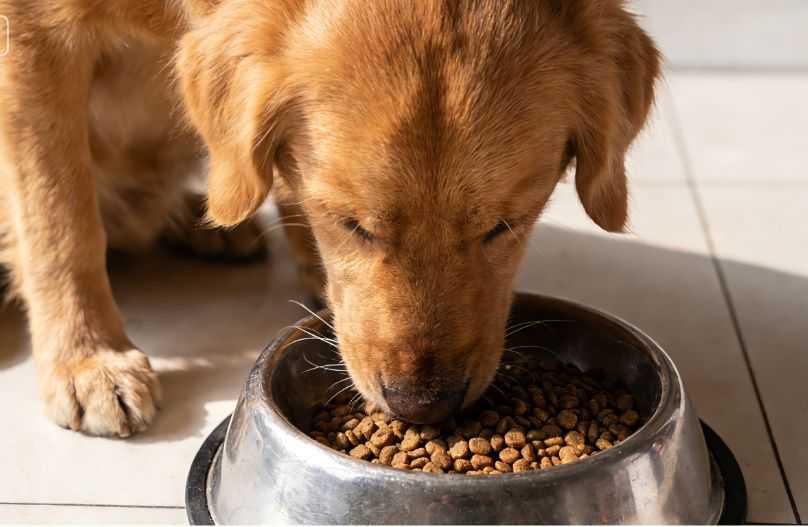
Dietary adjustments are an unavoidable part of a dog's life.These adjustments can be routine,such as transitioning from puppy food to adult dog food,or they can arise from unexpected situations,such as illness or a pet food recall.
Regardless of the situation,understanding scientific methods for changing food can help owners and their dogs navigate the transition more smoothly.
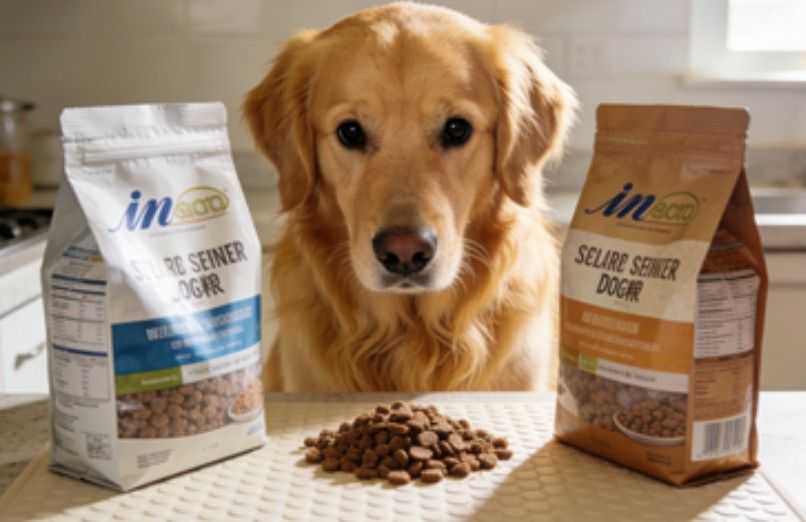
Key Points:There are two main methods for changing a dog's food:gradual transition and rapid transition.
Gradual transition is the better choice,effectively reducing the likelihood of gastrointestinal upset.
In emergencies,a rapid transition may be necessary,but it should be done with caution.
If your dog vomits,has diarrhea,or refuses to eat for more than 24 hours,consult a veterinarian immediately.
Health Support Tools
If you are unsure whether to take your dog to the vet,consider the following:Simply answer a few questions related to your pet's symptoms,and a symptom check tool developed by our veterinary team will provide you with the most likely causes of your symptoms and suggestions for subsequent treatment.
Reasons for Changing Dog Food
There are various reasons why owners need to change their dog's food,which can be divided into two main categories:those requiring a rapid change and those that can be changed gradually.
Situations Requiring a Rapid Change:
The dog's current food is being recalled,discontinued,or unavailable due to supply issues.
The dog continues to refuse its current food.
Veterinarians recommend an immediate change of food.This is often seen when the dog is diagnosed with a food allergy or other adverse food reactions.Additionally,if the dog suffers from gastroenteritis or other diseases requiring immediate intervention,a rapid change of food can help improve the condition.
Situations Where a Gradual Change Can Be Made:
The owner plans to switch to a dog food that better suits their budget.
Owners intentionally adjust their dogs'diets,such as switching from dry food to wet food,from grain-based to grain-free food,or adopting a rotation feeding pattern.
As dogs enter a new stage of life,their food needs to be changed accordingly,such as switching from puppy food to adult dog food.
Veterinarians develop a personalized diet plan for their dogs and recommend a gradual transition.This approach is particularly suitable for managing chronic diseases such as obesity,canine cognitive impairment,and osteoarthritis through dietary adjustments.
What is dog rotation feeding?
Some owners regularly change their dogs'food;this feeding pattern is called rotation feeding.The core idea behind this pattern is that a single type of food cannot guarantee 100%safety and reliability.Regularly rotating through various high-quality foods can reduce the risk of illness caused by nutritional imbalances(deficiencies or excesses)or food contamination.
As long as the selected foods meet high-quality and nutritionally balanced standards,rotation feeding is not only harmless but can also benefit the dog.However,it's important to note that this method is not suitable if the dog experiences gastrointestinal upset due to frequent food changes,or if it needs to consume a specific formula long-term due to health issues.
The specific methods of rotating food vary from person to person:Some owners purchase multiple different dog foods and switch between them weekly;others make more drastic dietary adjustments,such as feeding dry food until finished,then several weeks of wet food,and finally a few days of homemade food;still others focus on rotating different protein and carbohydrate sources,for example,feeding beef and barley formula one month and switching to chicken and rice formula the following month.
The specific steps for changing a dog's food:Some dogs have high gastrointestinal tolerance and adapt well to various foods,with relatively stable health;however,others have more sensitive stomachs,and slight dietary adjustments may cause adverse reactions.
Therefore,cautious food changes are always the safest option,as rapid changes in diet can easily lead to a series of adverse consequences such as loss of appetite,diarrhea,vomiting,and bloating.
The following two methods can help owners smoothly transition their dogs to a new diet and reduce the risks mentioned above.
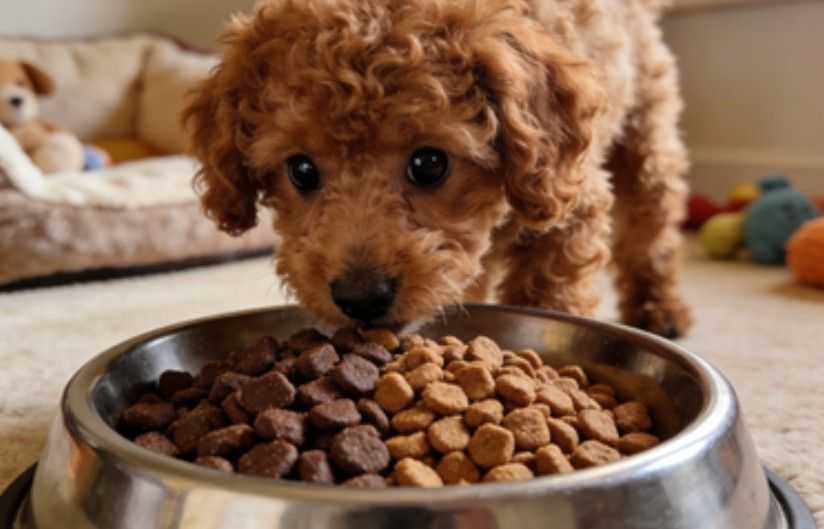
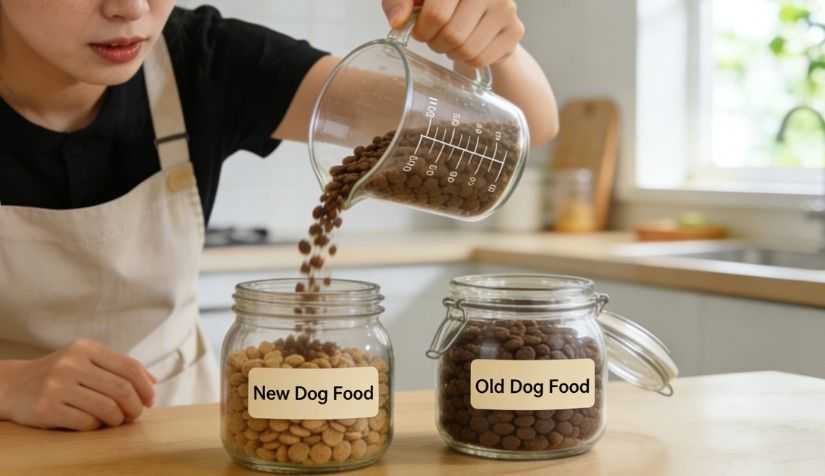
1.Gradual Food Switching:When possible,it is recommended to allow at least one week for the dog to gradually adapt to the new food.The mixing ratio of new and old food can be adjusted according to the following standards:
Day 1:New food 10%,Old food 90%
Day 2:New food 20%,Old food 80%
Day 3:New food 30%,Old food 70%
Day 4:New food 40%,Old food 60%
Day 5:New food 60%,Old food 40%
Day 6:New food 80%,Old food 20%
Day 7:Feed entirely new food,100%If the dog has a history of food instability during food transitions,or if the difference between the new and old food is significant(e.g.,switching from dry salmon food to wet chicken food),the transition period can be appropriately extended,and the pace of food transition can be slowed down.
During the food transition,if the dog exhibits symptoms such as refusal to eat,vomiting,or diarrhea,the increase in the proportion of new food should be stopped immediately,and the dog should be switched back to the old food.A slower transition plan should then be devised for the dog in the future.If the dog's discomfort persists after switching back to the old food,consult a veterinarian promptly.
II.Rapid Food Switching
In some special circumstances,owners may need to switch their dog's food without a transition period.It's important to note that for healthy adult dogs,short-term fasting for one or two meals usually won't harm their health if they resist the new food;however,if the dog refuses to eat for two consecutive days,or exhibits symptoms such as vomiting or diarrhea,a different food should be introduced immediately,or a veterinarian should be consulted for professional advice.
Special Reminder:This method is not suitable for puppies or dogs with underlying medical conditions,as abruptly fasting them may cause serious harm to their health.
The specific procedure for rapid food switching is as follows:
Day 1,First Meal:Feed only a small amount of the new food,about one-quarter of the usual amount;if the dog does not eat within 30 minutes,remove the food and offer it again at the next meal.
Day 1,Second Meal:If the dog ate well at the previous meal,you can gradually increase the amount of new food.If the dog did not eat,continue feeding a small amount of new food.Remove the food if the dog has not eaten within 30 minutes.
Day 1,Third Meal:If the dog ate well at the previous meal,continue increasing the amount of new food.If the dog did not eat,maintain a small amount of new food.Remove the food if the dog has not eaten within 30 minutes.
Day 2,First Meal:If the dog ate normally at the previous meal,further increase the amount of new food.If the dog did not eat,continue feeding a small amount of new food.Remove the food if the dog has not eaten within 30 minutes.
Day 2,Second Meal:If the dog ate well at the previous meal,continue increasing the amount of new food.If the dog did not eat,maintain a small amount of new food.Remove the food if the dog has not eaten within 30 minutes.
Day 2,Third Meal:If the dog ate well at the previous meal,you can feed the normal amount of new food.
How to choose a substitute with a formula similar to the original dog food?Another key technique for helping dogs smoothly transition to a new food is to minimize the differences in formula between the old and new foods.For example,if a dog is used to wet food,choose the same type of wet food when switching,rather than directly switching to dry food;if a dog prefers beef flavor,choose products with a beef formula when switching.
Owners should carefully review the ingredient list and nutritional analysis of the original food to find alternatives with similar formulas.Choosing products from the same brand often ensures a better fit.
Common Signs and Solutions for Rapidly Switching Dog Foods
During the transition,dogs may experience some common problems,some of which can be handled at home by the owner.These include:Refusing new food:For healthy adult dogs,allowing them to fast for a period of time can help them adapt to the new food.However,puppies or dogs with underlying medical conditions(including diabetic dogs requiring insulin injections)should not use this method,as it may harm their health.Owners can try adding a small amount of complementary food to the new food to improve palatability.However,if switching food for health reasons,consult a veterinarian first to confirm whether adding complementary food is suitable for the dog's diet.
Mild Diarrhea:If possible,allow the dog to return to its old food for a few days until its stool returns to normal before planning a slower transition to a new food.Adding a suitable amount of pumpkin puree to the food or giving the dog probiotics can also help alleviate diarrhea symptoms.
Bloating:Usually,bloating symptoms will subside on their own after a few days of eating the new food.Owners can also use canine gas-relieving nutritional supplements(such as Vet’s Best Gas Busters)to help speed up symptom resolution.
If the dog experiences severe diarrhea,vomiting,or mild discomfort that persists for several days without improvement,consult a veterinarian promptly.The veterinarian will develop a targeted treatment plan based on the dog's specific condition or recommend a more suitable type of food.