Information
- Home
- dogs
Are you wondering what human foods dogs can eat?You're not alone in this question—sharing your favorite treats with your dog is fun,but caution is advised.
There's a wide variety of human foods suitable for dogs,but even those that are edible should be given in controlled quantities.Furthermore,it's important to note that some seemingly harmless human foods can cause gastrointestinal upset or even poisoning if added to a dog's diet.
To clarify which human foods are best for dogs and how to safely share treats with your four-legged companion,we interviewed a canine food safety expert from the American Society for the Prevention of Cruelty to Animals(ASPCA)for professional advice.
Human Foods Dogs Can Eat
Dogs can eat some human foods in moderation,but the specific amount depends on the type of food.We specifically consulted Tina Wismer,Senior Director of the Animal Poison Control Center at the American Society for the Prevention of Cruelty to Animals(ASPCA),Doctor of Veterinary Medicine,Certified Veterinary Technician of the American Board of Veterinary Technicians,and Certified Poison Control Association of America,for professional advice on human foods(including fruits and vegetables)suitable for dogs.Her detailed recommendations are as follows:
**Bananas**
Bananas are safe for dogs,but avoid feeding them the peel,and cut the banana into small pieces to prevent choking.Also,control the amount given according to the dog's size to avoid overfeeding.
**Apples**
Dogs can eat peeled and seeded apples.Many dogs enjoy small pieces of apple as a treat(however,getting them to try tart green apples can be challenging).Dr.Wismer states,"Seedless apples are low in calories and high in dietary fiber,which helps dogs feel full."
**Carrots**
Carrots are safe and harmless for dogs and can be a healthy treat.Dr.Wismer explains,"Most dogs love baby carrots.Each baby carrot contains only about 4 calories,making it an ideal treat for weight loss.At the same time,carrots are less irritating to dogs'stomachs and usually don't cause bloating—a common problem with other vegetables."
Strawberries
Dogs can eat strawberries,but they should be thoroughly washed in water before feeding to remove any impurities or residue.
Blueberries
Blueberries are safe for dogs,but the amount given at one time should be controlled to avoid overfeeding.
Oranges
Dogs can eat the pulp of oranges,but the stem,peel,and seeds should be avoided.These parts contain citric acid,which may cause gastrointestinal upset in dogs.
Eggs
Eggs are safe for dogs,but raw eggs should be avoided,and sharp eggshell fragments should be prevented from being ingested.It is especially important that eggs be fully cooked before feeding to dogs to prevent infection with harmful bacteria such as Salmonella.
Green Beans
Dogs can eat green beans,so you can share them with them in moderation.Dr.Wismer says that green beans,similar to carrots,are low in calories and have a crisp texture,"making them an excellent green treat for dogs or cats."
Rice
Cooked rice without any added seasoning is safe for dogs,but it's not recommended to feed it to them frequently;only offer it as an occasional treat.
Cheese
Small amounts of cheese can be a delicious treat and can sometimes help dogs swallow pills.It's edible for most dogs.However,it's important to note that dogs'lactose digestion is much less efficient than humans,so the amount should be strictly controlled,and it's advisable to consult a veterinarian before feeding cheese to ensure your dog does not have lactose intolerance.
More Foods Suitable for Dogs
The following foods are also suitable for dogs,but please pay attention to controlling the amount and method of feeding:
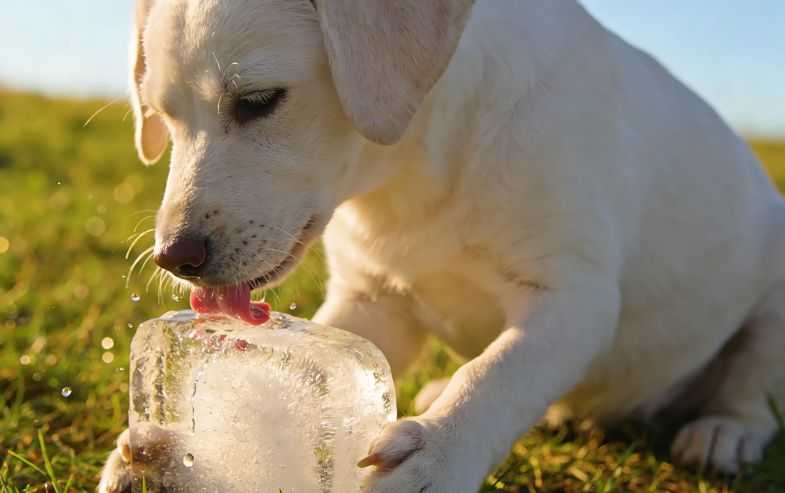
-Ice cubes(cut into small enough pieces to avoid causing choking or tooth damage)
-Lettuce
-Peanut butter(choose plain,unsalted formula,and control the amount fed)
-Peas
-Popcorn(must be free of butter,salt,and other seasonings)
-Pumpkin
-Raspberries
-Sweet potatoes
-Winter squash
-Zucchini and summer squash
Remember,even with healthy treats,controlling the amount fed is crucial.Dr.Wismer emphasizes:"Feeding pets safe food in moderation is acceptable,but treats should only account for 10%of a pet's total daily calories."
Which Human Foods Are Toxic for Dogs?
Pet poisoning hotlines and the American Society for the Prevention of Cruelty to Animals(ASPCA)Animal Poisoning Control Center both list the following common human foods as forbidden for dogs.Please ensure these foods are for your own consumption and never allow your dog to come into contact with them.
-Alcohol
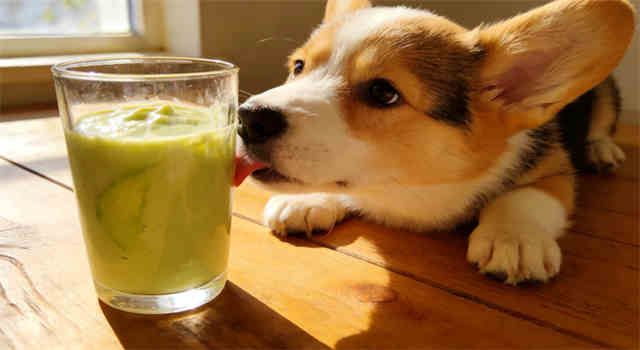
-Avocado
-Caffeine
-Chives
-Chocolate
-Coffee
-Garlic
-Grapes and raisins
-Macadamia nuts
-Nuts(including almonds and cashews)
-Onions
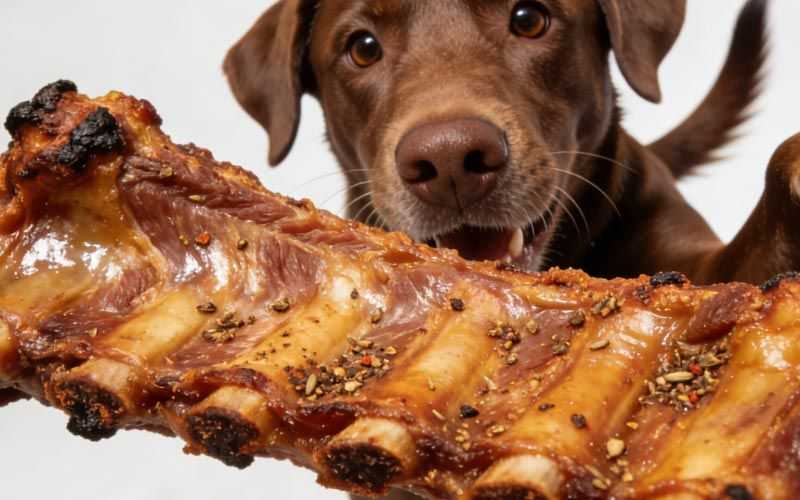
-Raw or undercooked meat,eggs,or bones
-Salt and salty foods
-Xylitol(also known as sugar alcohol or birch sugar),a sweetener added to many products

-Yeast dough
If you suspect your dog has ingested a poisonous substance,contact your veterinarian immediately.When a dog arrives at the clinic showing symptoms of poisoning from ingested contaminated food,the veterinarian will first check its vital signs to ensure its condition is stable.Then,depending on how long ago the suspected poison was ingested,the veterinarian will determine whether vomiting treatment is necessary.
More advice on feeding your pet human food
Choosing suitable human food for your dog is not easy,mainly because a dog's nutritional needs vary depending on its size,age,and breed.Dr.Wismer advises keeping the following basic principles in mind when opening the refrigerator to share treats with your dog to ensure their health:
Is your dog experiencing weight gain or loss,or a loss of appetite?
Dogs are similar to humans:each dog reacts differently to different foods.Some dogs may love apples,while others may experience diarrhea after eating them;some dogs may devour bananas,while others may experience allergic reactions such as itchy skin.
Dogs need a balanced diet,which means ensuring their food contains adequate amounts of nutrients,vitamins,and minerals.Achieving this nutritional balance is difficult without professional guidance.If you have concerns about your dog's nutritional status,Dr.Wismer recommends contacting a veterinarian promptly to discuss your concerns and develop a suitable feeding plan for your pet.