Information
- Home
- dogs

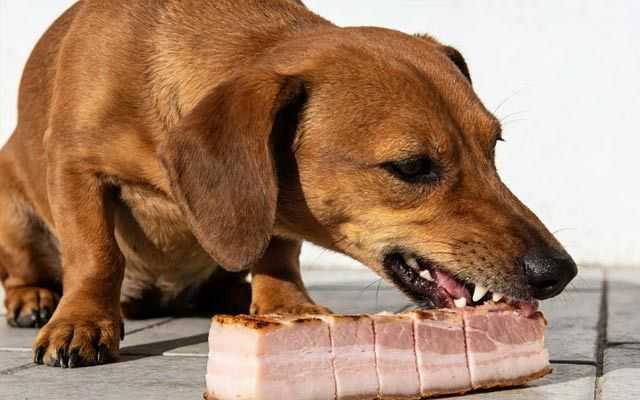
Dogs are beloved for their undemanding diet,a trait that fosters a close bond between owners and pets.However,this isn't entirely advisable when it comes to food safety.
For example,owners may find that dogs readily accept almost any type of meat without discerning its health benefits.Therefore,as pet caregivers,we have a responsibility to strictly control our dogs'diets,ensuring they consume palatable,delicious,and safe food.However,achieving this goal is often easier said than done.
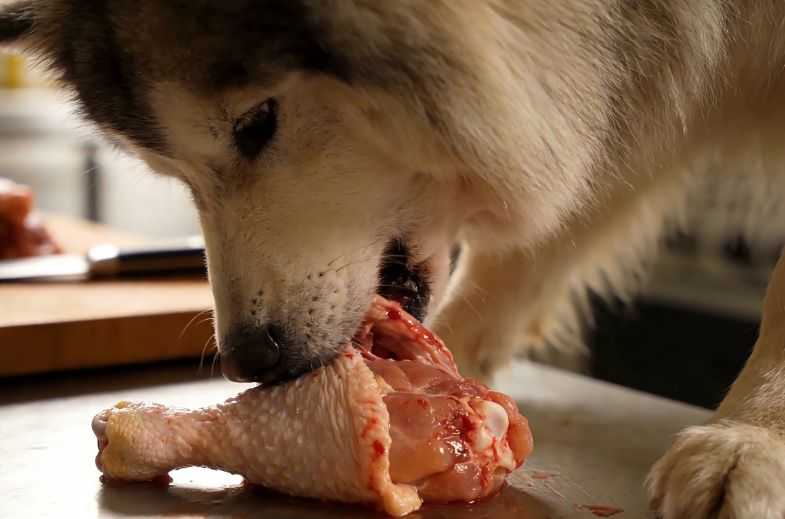
Take raw chicken as an example:Is raw chicken safe for dogs?There are often conflicting opinions on this issue.To address this,we invited Dr.Laura Gaylord(Doctor of Veterinary Medicine,US Veterinary Internal Medicine Specialist),a certified expert from the American Academy of Veterinary Nutrition and principal of Whole Pet Provisions,PLLC,to share her professional insights.
Is raw chicken safe for dogs?What are the potential risks?
Dr.Gaylord points out that raw chicken poses a safety risk to both humans and dogs,with the core reason being the same:the risk of foodborne illness infection."Feeding dogs any raw protein food can expose them to pathogens that cause gastrointestinal diseases,including Salmonella,Clostridium,and Listeria,"she explains.
Contrary to popular belief,dogs do not have natural immunity to these pathogens."Some people may think that dogs'intestinal structure differs from humans,making them more tolerant of raw food and therefore less susceptible to these bacteria,"Dr.Gaylord points out."But in fact,there are clearly documented cases of dogs becoming ill due to these bacterial infections."For example,the U.S.Centers for Disease Control and Prevention(CDC)has stated that dogs infected with Salmonella exhibit a range of clinical symptoms,including diarrhea,lethargy,fever,and vomiting.
It is particularly important to note that some of these pathogens are zoonotic,meaning they can be transmitted between animals and humans,further increasing the risk of feeding raw chicken.Taking Salmonella as an example,research from the U.S.Centers for Disease Control and Prevention(CDC)shows that dogs infected with this bacterium can continuously shed the bacteria in their feces for 4 to 6 weeks.More alarmingly,during this period,infected dogs may not show any symptoms.If owners do not take strict cleaning and protective measures,they and their families may become infected and develop serious illnesses.
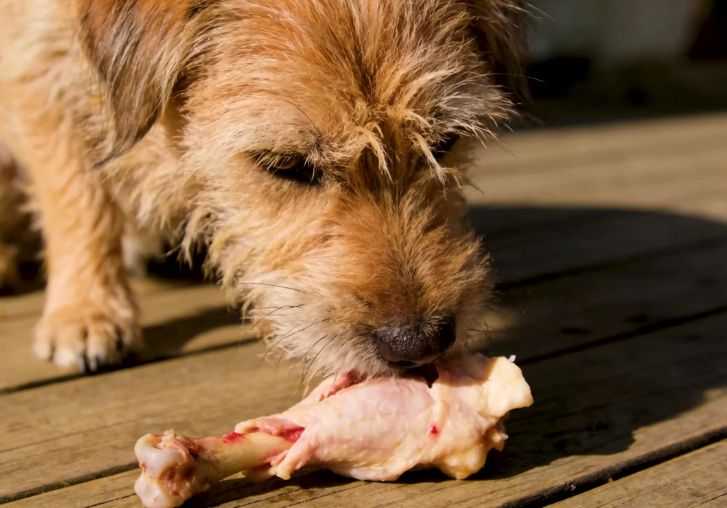
Finally,a significant risk must be mentioned—the dangers of bones.Dr.Gaylord states that although the combination of dogs and bones is very common in popular culture,it actually poses a significant safety hazard.Bones are hard,difficult for dogs to digest,and in some cases,indigestible,and easily crumble into sharp fragments.Feeding dogs raw meat with bones,such as bone-in chicken breast,legs,wings,and leg bones,can cause choking,gastrointestinal damage(such as stomach perforation),intestinal obstruction,broken teeth,and significantly increase the probability of bacterial infection.
Further Reading:Can cats eat raw chicken?Everything You Need to Know Before Feeding Your Cat Raw Meat
Is There Any Benefit to Feeding Dogs Raw Chicken?
According to Dr.Gaylord,the potential benefits of feeding raw chicken are negligible compared to the potential risks."Currently,there is no scientific evidence to support the claim that raw food is better for dogs than cooked food,"she explains."Some of the mentioned benefits,such as improved digestion and better coat and skin condition,are already present in foods with simpler processing methods,including both cooked and raw foods."
Unfortunately,Dr.Gaylord adds that most studies on the benefits of raw food for pets lack sufficient scientific evidence.These studies are mostly case reports of individual dogs or based on questionnaires from pet owners.Therefore,whether raw food is beneficial for pets,and in what specific ways,remains inconclusive.
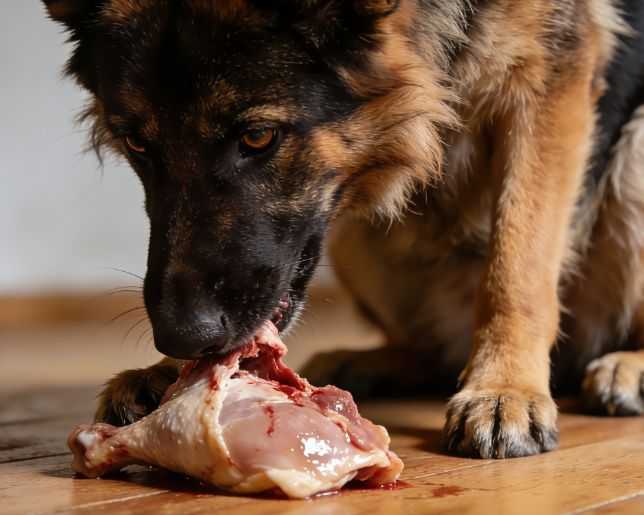
What Should You Do If Your Dog Accidentally Eats Raw Chicken?
Frustratingly,dogs are often unaware of the risks mentioned above and will still try to steal raw chicken from kitchen counters or the trash can.If your dog has indeed stolen raw chicken,Dr.Gaylord advises that you closely monitor your dog for the next few days for signs of gastrointestinal upset such as vomiting and diarrhea.If the stolen raw chicken contained bones,contact a veterinarian immediately for a professional assessment of the potential risk of gastrointestinal damage.
Dr.Gaylord further explains,“At least closer observation of the dog is necessary,and an X-ray should be taken to confirm whether the bones can be gradually digested or,if small enough,safely expelled.Larger or sharp bones may require endoscopic or surgical removal.”If you wish to add cooked,boneless chicken to your dog's daily diet,consult a veterinarian or a certified veterinary nutritionist.They can provide the safest methods for feeding chicken and assist in developing a comprehensive nutritional plan to ensure your dog receives all the necessary nutrients for growth and development.